


 Send Inquiry
Benchtop SPR with analysis module
Price 4500000 INR/ Piece
Benchtop SPR with analysis module Specification
- Temperature
- 15 35C (operational)
- Features
- Real-time kinetic analysis, temperature control module, precise liquid handling, automated sample injection
- Test Range
- 1 RU 50,000 RU
- Number of Specimens
- 1 (at a time)
- Port Size
- 1/8
- Measuring Range
- 1 50,000 RU
- Automation Grade
- Semi-automatic/Automatic options
- Power Supply
- 100-240 V AC, 50/60 Hz
- Max Height
- 210 mm
- Gas Pressure
- 0.3 0.5 MPa (Air or Nitrogen)
- Response Time
- <2 seconds
- Operating Voltage
- 100-240 V AC
- Interface Type
- USB 2.0, Ethernet
- Humidity
- 20% 80% RH (non-condensing)
- Resolution
- 0.1 RU
- Frequency
- 50/60 Hz
- Application
- Biomolecular interaction analysis, binding kinetics, concentration measurement
- Equipment Type
- Benchtop Surface Plasmon Resonance (SPR) Analyzer
- Accuracy
- 2% of measured value
- Specimen Size
- Chip size up to 20 mm x 10 mm
- Mounting Type
- Benchtop
- Display Type
- 7 Touchscreen LCD & computer interface
- Usage
- Laboratory analytical equipment
- Capacity
- Up to 12 chips (with auto-sampler)
- Machine Weight
- 12 kg
- Test Speed
- 0.5 5 mm/s
- Test Width
- 60 mm
- Test Stroke
- 0 45 mm
- Control Mode
- Computer controlled (via analysis module)
- Data Output
- CSV, PDF, proprietary formats
- Sample Volume
- 2080 L per injection
- Data Analysis Module
- Integrated software, supports affinity, kinetics, and concentration analysis
- Sensor Chip Type
- Gold-coated glass sensor chips
- Optical Source
- LED/laser-based excitation
- Dimension
- 400 mm x 280 mm x 210 mm
- Flow Cell Material
- Quartz/silica
- Baseline Noise
- <0.05 RU
- Cleaning/Purging
- Automated washing and maintenance protocols
- Language Support
- Multilingual UI
- Wavelength Range
- 680780 nm
- Sample Throughput
- Up to 100 runs/day depending on protocol
- Temperature Stability
- 0.1C
Benchtop SPR with analysis module About
The new BI-2500 benchtop SPR system offers 3-channel flow mode and delivers high quality binding response for low immobilization and small molecule (<100 Da) detection. Its innovative modular design provides users with optimal flexibility to choose amongst various analysis modules for life science, electrochemistry, and biosensing in liquid and gas phase SPR applications. In addition, its fast detection is ideal for the study of fast kinetics of redox-induced conformational changes in proteins and other biomolecules.Advanced Biomolecular Interaction Analysis
This benchtop SPR analyzer empowers researchers to investigate molecular interactions and binding kinetics efficiently. Its gold-coated sensor chips, supported by real-time LED/laser optical excitation, deliver precise detection, while the robust integrated software simplifies the interpretation of complex interaction data.
Superior Sensitivity and Accuracy
Engineered for excellence, the system's baseline noise is less than 0.05 RU, with a resolution down to 0.1 RU and accuracy of 2%. Consistent temperature control ensures reliable and reproducible results, key for scientific studies requiring high sensitivity, such as drug discovery and protein characterization.
Efficient Operation and User-Friendly Interface
With automated sample injection and maintenance, users can perform up to 100 runs per day. The touchscreen LCD and computer interface simplify operation, while the multilingual UI and multiple data formats (CSV, PDF, proprietary) enable effortless integration into diverse laboratory settings.
FAQ's of Benchtop SPR with analysis module:
Q: How does the benchtop SPR analyzer facilitate biomolecular interaction analysis?
A: The analyzer utilizes gold-coated glass sensor chips and highly sensitive optical excitation (LED/laser-based) to detect molecular interactions in real time. Integrated software supports affinity, kinetics, and concentration analysis, providing comprehensive insights into biomolecular binding events.Q: What is the recommended sample volume for each injection when using this SPR system?
A: For optimal performance, the SPR analyzer requires a sample volume between 20 and 80 microliters per injection. This ensures effective interaction detection within the flow cell while conserving valuable reagents.Q: When should users perform cleaning or maintenance on the SPR analyzer?
A: Routine maintenance is supported through automated washing and purging protocols, which the system initiates based on usage and operational schedules. This automated approach helps sustain performance and minimizes downtime.Q: Where is the SPR analyzer typically used, and what are its primary applications?
A: This instrument is ideal for laboratory analytical environments, especially in life science research and pharmaceutical labs. Key applications include biomolecular interaction studies, binding kinetics analysis, and concentration measurements of interacting species.Q: What is the process for analyzing a sample using the integrated analysis module?
A: Users load samples either manually or via the auto-sampler, initiate runs through the computer-controlled analysis module, and view results on the 7" touchscreen or computer interface. The software enables detailed kinetic, affinity, and concentration analyses, with data available in multiple formats.Q: What are the benefits of its automated sample injection and maintenance features?
A: Automation enhances efficiency and reproducibility, allowing for up to 100 runs per day and consistent cleaning. This reduces manual intervention, ensures data integrity, and improves throughput in demanding laboratory workflows.Q: How does temperature stability impact the results in SPR analysis?
A: With stability maintained at 0.1C, the analyzer provides highly reproducible conditions for sensitive molecular experiments. Accurate temperature control is critical for reliable kinetic measurements and consistent experimental outcomes.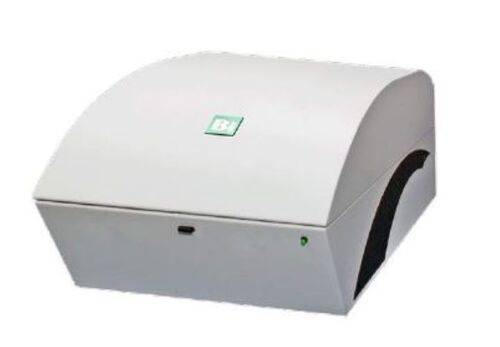

Price:
- 50
- 100
- 200
- 250
- 500
- 1000+

More Products in Pharmaceutical Testing Instruments Category
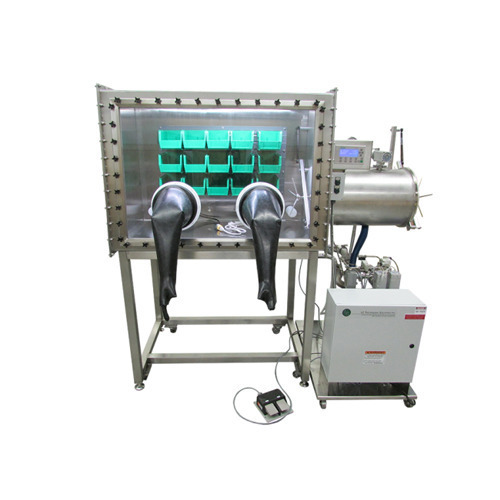
SS Glovebox Systems
Price 700000 INR / Piece
Minimum Order Quantity : 01 Piece
Power Supply : 220V/50Hz single phase or 110V/60Hz
Usage : Controlled atmosphere work, handling sensitive materials
Control Mode : Digital PLC or Manual
Humidity : Controlled, range from 1% to 99% RH

Gas Purification Systems
Price 1200000 INR / Piece
Minimum Order Quantity : 01 Piece
Power Supply : 230V AC, 50Hz
Usage : Gas laboratory, industrial gas system
Control Mode : PLC/Manual
Humidity : 85% RH
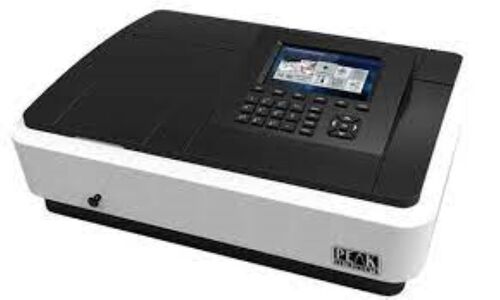
Lab UV Vis Spectrophotometer
Price 250000 INR / Piece
Minimum Order Quantity : 01 Piece
Power Supply : AC 220V, 50Hz
Usage : Absorbance, Transmittance, Concentration measurements
Control Mode : Digital Microprocessor Control
Humidity : 85% RH
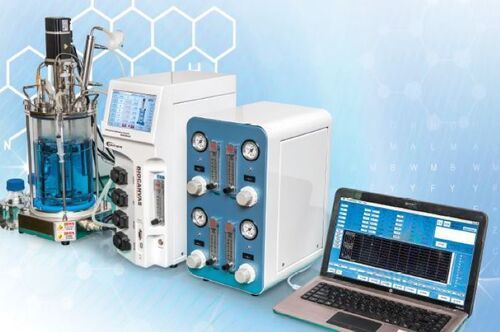
Bench Top Fermentor and Bioreactor System
Price 400000 INR / Piece
Minimum Order Quantity : 01 Piece
Power Supply : 220V/50Hz single phase AC
Usage : Laboratory fermentation, pilot studies, educational purposes
Control Mode : Touch screen PLC or SCADA system
Humidity : Ambient

GST : 29AAGCD4887K1ZX



 Send Inquiry
Developed and Managed by Infocom Network Private Limited.


