


 Send Inquiry
Clarity Chromatography Software
Clarity Chromatography Software Specification
- Application
- Data acquisition, control and evaluation for HPLC/GPC, GC, CE, etc.
- Test Range
- Method-dependent, user configurable
- Max Height
- Software (Not Applicable)
- Automation Grade
- Fully Automatic and Semi-Automatic Modes
- Display Type
- Graphical Window with Real-Time Display
- Operating Voltage
- PC Dependent (110240 V)
- Resolution
- Up to 0.001 mAU or user defined
- Response Time
- <10 ms (interface dependent)
- Power Supply
- Runs on PC Power Supply
- Port Size
- Compatible with RS232/USB/Ethernet
- Frequency
- Software (Not Applicable)
- Gas Pressure
- Software (Not Applicable)
- Hardness
- Software (Not Applicable)
- Equipment Type
- Chromatography Data System (CDS) Software
- Interface Type
- RS232, USB, Ethernet, LAN
- Measuring Range
- Instrument/method-dependent
- Mounting Type
- Desktop/Workstation
- Number of Specimens
- Dependent on sequence/sample table size
- Features
- Multi-device support, GLP/GMP compliance, user management, CFR Part 11, audit trail, customizable reporting, advanced integration, PDA/DAD compatible, scalable licensing, multi-channel support, automated sequence, batch reprocessing, method development, file import/export
- Specimen Size
- Software (Not Applicable)
- Humidity
- RH 1090% (Non-condensing, Operating Condition)
- Temperature
- Operating 1040C (Recommended for PC)
- Accuracy
- As per instrument interfaces
- Usage
- Laboratory, Academic, Industrial Chromatography Analysis
- Capacity
- Unlimited chromatograms (based on PC storage)
- Machine Weight
- Software Solution (Not Applicable)
- Test Speed
- Depends on PC Hardware and Method
- Test Width
- Software (Not Applicable)
- Test Stroke
- Software (Not Applicable)
- Control Mode
- Keyboard, Mouse, Touch Compatible
- Training Support
- Online Tutorials and Manuals
- Optional Modules
- GPC, PDA, SST, Fraction Collector
- Security
- Multi-level User Access Control
- Documentation
- Comprehensive User Manual Included
- Integration Methods
- Peak Area, Height, Internal Standard
- Software Architecture
- Client-Server Option Available
- Licensing
- Single and Multi-user License Options
- Data Backup
- Automatic and Manual
- Instrument Control
- Direct device commands via supported drivers
- Compatibility
- Compatible with major GC/HPLC detectors
- Data Acquisition Channels
- Up to 32 channels
- Audit Trail
- Comprehensive with Electronic Signature
- Software Updates
- Online via Internet
- Export Protocols
- LIMS, AIA, txt, CSV, PDF
- Report Formats
- PDF, XLS, CSV, Custom Outputs
- Supported Systems
- Windows 7, 8, 10, 11
- Languages Available
- English, German, French, Spanish
Clarity Chromatography Software About
Clarity is a chromatography data software for data acquisition, processing, and instrument control in regulated environment. Clarity is a universal software solution for almost any commercially available chromatograph. The software allows you to acquire data digitally or from analog outputs on multiple independent instruments simultaneously and evaluate acquired chromatograms. Optional control modules provide integrated control of selected instruments such as GCs, LCs, pumps, detectors, autosamplers, etc. Extensions provide functions for specific separation techniques or calculations such as PDA, GPC analysis, Mass spectrometry, or SST.Comprehensive Data Control and Security
Clarity Chromatography Software ensures the integrity of your analytical data with robust audit trails, electronic signatures, and multi-level user access controls. Compliance with GLP, GMP, and CFR Part 11 standards supports regulated laboratory environments. Automatic and manual backup options provide additional data security, while customizable licensing offers flexibility for both small and large teams.
Flexible Reporting and Integration Options
Generate tailored reports in PDF, XLS, CSV, and custom formats to suit varied requirements. Seamlessly export data via LIMS, AIA, txt, CSV, and PDF protocols. With advanced peak detection and integration methodspeak area, height, and internal standardClarity supports in-depth data analysis. Post-run, batch reprocessing, and method development tools facilitate effective laboratory workflows.
Easy Installation and Wide Compatibility
The software supports Windows 7, 8, 10, and 11 platforms and interfaces with devices using RS232, USB, Ethernet, or LAN connections. Compatible with major GC/HPLC detectors, Clarity can control multiple instruments from a single workstation. With scalable, client-server software architecture, it caters to both desktop and network-based environments for maximum flexibility.
FAQs of Clarity Chromatography Software:
Q: How is data security maintained in Clarity Chromatography Software?
A: Clarity employs multi-level user access control and detailed audit trails with electronic signatures to maintain data security and integrity. These features support compliance with GLP/GMP and CFR Part 11 requirements, ensuring your data remains confidential and traceable.Q: What are the data acquisition and reporting capabilities of Clarity?
A: Clarity supports up to 32 concurrent acquisition channels, allowing simultaneous analysis from multiple instruments. Users can create reports in PDF, XLS, CSV, or custom output formats, and export data to external systems via protocols like LIMS, AIA, txt, or CSV.Q: When are software updates and user support available?
A: Software updates are delivered online via the internet, ensuring you always have the latest features and security enhancements. For support, users have access to comprehensive manuals and online tutorials to streamline the learning process.Q: Where can Clarity Chromatography Software be used?
A: Clarity is suitable for laboratory, academic, and industrial chromatography analysis involving HPLC, GPC, GC, and CE. Its scalable architecture and broad compatibility allow use in single-instrument labs or complex, multi-instrument environments.Q: What integration methods does Clarity provide for chromatographic evaluation?
A: Clarity supports advanced integration methods, including peak area, peak height, and internal standard calculations, ensuring precise and customizable quantification of your analyses.Q: How does Clarity facilitate instrument control and automation?
A: The software enables direct device commands through supported drivers, batch reprocessing, automated sequences, and full or semi-automatic modesenhancing efficiency and reliability in routine and advanced workflows.Q: What are the licensing options available for Clarity?
A: Clarity offers both single-user and multi-user (networked) licenses, accommodating individual researchers or larger workgroups with scalable solutions to meet organizational needs.

Price:
- 50
- 100
- 200
- 250
- 500
- 1000+

More Products in Pharmaceutical Testing Instruments Category
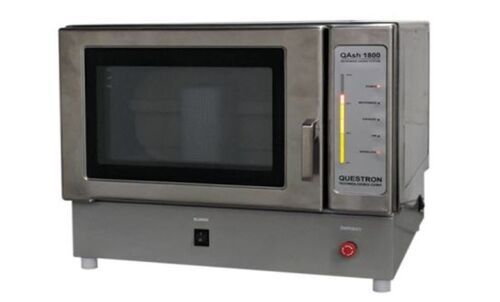
Express Microwave Ashing System
Price 1000000 INR / Piece
Minimum Order Quantity : 01 Piece
Features : Auto shutoff, programmable methods, memory storage, safety interlocks, exhaust system
Usage : Analytical sample preparation for ashing in laboratories
Application : Rapid ashing of organic/inorganic samples for analytical laboratories
Mounting Type : Benchtop
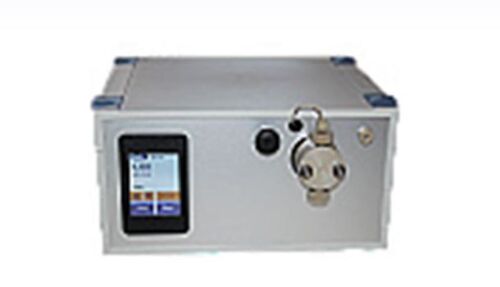
Pump for Post Column Derivatization System
Price 450000 INR / Piece
Minimum Order Quantity : 01 Piece
Features : Low pulse, chemically resistant, leak proof, autopriming
Usage : Chromatographic postcolumn reagent delivery
Application : Postcolumn derivatization in HPLC analysis
Mounting Type : Benchtop
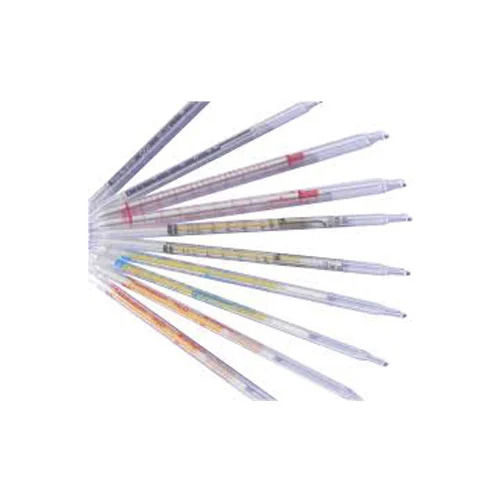
Gas Detector Tube
Price 7000.00 INR / Piece
Minimum Order Quantity : 1 Piece
Features : Singleuse, clear color change, simple operation
Usage : Industrial safety, environmental monitoring, confined space entry
Application : Gas concentration measurement, leak detection, workplace air monitoring
Mounting Type : Handheld/portable
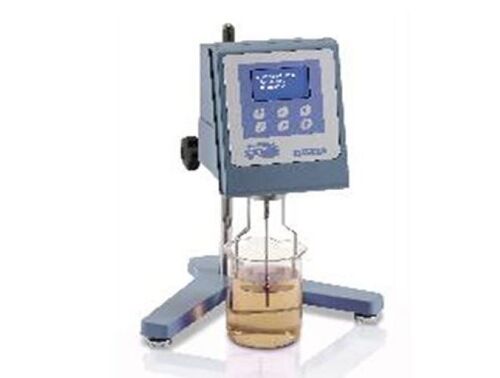
Visco meter
Price 220000 INR / Piece
Minimum Order Quantity : 01 Piece
Features : Accurate
Usage : Laboratory
Application : Laboratory
Mounting Type : Free Stand

GST : 29AAGCD4887K1ZX



 Send Inquiry
Developed and Managed by Infocom Network Private Limited.


