


 Send Inquiry
High Performance Liquid Chromatography (HPLC) SYSTEM
Price 800000 INR/ Piece
High Performance Liquid Chromatography (HPLC) SYSTEM Specification
- Interface Type
- USB/RS232/Ethernet
- Temperature
- Ambient; Column Oven: 10C above ambient to 60C
- Power Supply
- 230V AC, 50Hz
- Humidity
- Below 80% RH, non-condensing
- Display Type
- LCD/PC Interface
- Port Size
- 1/16 inch (tubing and fittings compatible)
- Measuring Range
- 0.001 10 AU (variable depending on detector)
- Resolution
- >1.5 (baseline separation, typical)
- Test Range
- 0.001 10 AU (Absorbance Units, Detector)
- Specimen Size
- 10-100 L (injector loop size)
- Frequency
- 50 Hz
- Accuracy
- 1% RSD (Repeatability of injection volume/pump flow)
- Response Time
- <1 sec (detector)
- Application
- Quantitative and qualitative analysis in pharmaceuticals, chemicals, food, and environmental labs
- Gas Pressure
- Not applicable (uses liquid mobile phase)
- Number of Specimens
- Up to 100 samples (with Autosampler)
- Features
- Auto-sampler, column oven, solvent tray, degasser, and leak sensor
- Automation Grade
- Fully automated
- Operating Voltage
- 230V AC, 50 Hz
- Max Height
- Approx. 60 cm (assembled)
- Equipment Type
- High Performance Liquid Chromatography (HPLC) System
- Mounting Type
- Benchtop
- Usage
- Analytical separation and detection
- Capacity
- Use with 2, 4, or 6 solvent reservoirs
- Machine Weight
- Approx. 60 kg
- Test Speed
- 0.01-10 mL/min (Pump Flow Rate)
- Test Width
- Standard - accommodates standard analytical columns
- Test Stroke
- Not Applicable (Column Length: Typical 150-250 mm)
- Control Mode
- Microprocessor/PC-based
- Data Acquisition Software
- 21 CFR Part 11 compliant, user-friendly interface
- Sample Loader Type
- Manual or automatic with auto-sampler
- Mobile Phase Degassing
- Built-in online membrane degasser
- Noise Level
- <10 AU (detector) at baseline
- System Delay Volume
- Typically < 1.0 mL
- Column Compatibility
- Supports up to 300 mm analytical columns
- Solvent Compatibility
- Aqueous, organic, and buffered solutions
- Injection Repeatability
- <0.3% RSD
- Wavelength Range
- 190-700 nm (UV detector)
- Detector Options
- UV/Vis, Diode Array Detector (DAD), Fluorescence (optional)
- Compliance
- GLP/GMP and CE Certified
- Safety Features
- Leak detection, power interruption memory, real-time self-diagnosis
- Pump Type
- Quaternary and binary gradient (optional isocratic)
- Operating Environment
- Temperature 10-40C, Humidity <80% RH
High Performance Liquid Chromatography (HPLC) SYSTEM Trade Information
- Minimum Order Quantity
- 01 Piece
- Main Domestic Market
- All India
High Performance Liquid Chromatography (HPLC) SYSTEM About
Software Fully 21CFR Compliance.
The available pump configurations are The isocratic pump the low pressure quaternary gradient pump with adjustable mixing volume and dynamic mixer and optionalbuilt in degasser and a highpressure binary gradient system. A high pressure binary gradient systemcan be configured by using two pumps. The pump is available as stainless and asbiocompatible PEEK version. With three available flowrate ranges (micro analytical and semi preparative version) the pumpconfiguration can be adaptedto virtually any HPLC application.
Available detectores are UV Vis PDA Refractive Index
Advanced Pump Technology for Flexible Separation
The HPLC system features quaternary and binary gradient pumps and supports optional isocratic flow, allowing tailored solvent mixtures for diverse analytical applications. This flexible pump technology ensures accurate and reproducible solvent delivery across a wide flow rate range (0.0110 mL/min), suitable for routine and complex chromatographic methods.
Versatile Detection and Accurate Data Acquisition
Equipped with UV/Vis, DAD, and optional fluorescence detectors, the instrument achieves a broad absorbance measuring range (0.00110 AU) and rapid response times (<1 second). Data is captured via a user-friendly, 21 CFR Part 11 compliant software, guaranteeing both regulatory compliance and efficient workflow management for research and quality control.
Optimized Sample Handling and Safety Features
Manual and automatic sample loading is supported, accommodating up to 100 specimens with adjustable injection volumes (10100 L). Built-in online degassing, leak detection, real-time diagnostics, and power interruption memory enhance safety, reliability, and system protection during high-throughput operations.
FAQs of High Performance Liquid Chromatography (HPLC) SYSTEM:
Q: How does the HPLC system ensure accurate and repeatable sample injections?
A: The system uses a precisely engineered auto-sampler with an injection repeatability of less than 0.3% RSD, ensuring reliable and consistent sample introduction. The microprocessor-based control further maintains accuracy across multiple analyses.Q: What types of columns and solvents are compatible with this HPLC system?
A: This HPLC supports analytical columns up to 300 mm in length and works with aqueous, organic, and buffered solvents. Its built-in online degasser facilitates reliable operation with various mobile phases, accommodating 2, 4, or 6 solvent reservoirs for flexible use.Q: When should a user opt for quaternary or binary gradient pump modes?
A: The quaternary gradient mode is ideal when multiple solvent combinations are required for separating complex samples. Binary gradient mode suits routine separations with two mobile phases, while the optional isocratic mode is best for simpler, single-solvent analyses.Q: Where can the HPLC system be implemented, and what environments does it support?
A: This system is suited for benchtop use in laboratories such as pharmaceuticals, chemical analysis, food safety, and environmental testing. It operates reliably within ambient temperatures of 1040C and humidity below 80% RH, with adjustable column oven control up to 60C.Q: What safety and compliance features are included in the HPLC system?
A: The instrument is equipped with leak detection, power interruption memory, and real-time self-diagnostics. It is GLP/GMP and CE certified, and its data acquisition software is 21 CFR Part 11 compliant, ensuring regulatory adherence and operational safety.Q: How does data acquisition and control work for this HPLC system?
A: A user-friendly interface operates via PC or microprocessor controls, with multiple connectivity options (USB, RS232, Ethernet). The software allows secure, compliant acquisition, advanced data processing, and easy export for comprehensive analysis and audit trails.

Price:
- 50
- 100
- 200
- 250
- 500
- 1000+

More Products in Pharmaceutical Testing Instruments Category
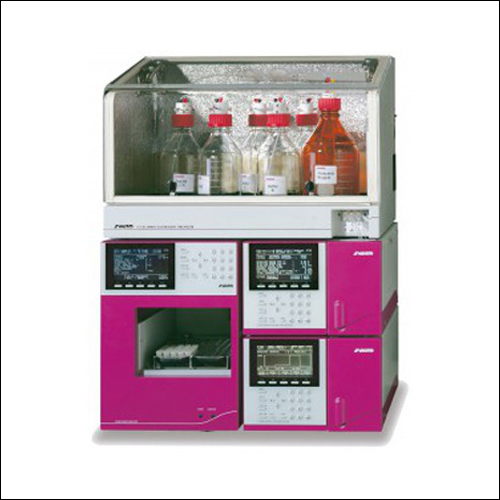
Fully Automated Amino Acid Analyzer
Price 38,00,00 INR / Piece
Minimum Order Quantity : 1 Piece
Usage : Laboratory, Clinical
Features : Auto Calibration, Data Storage, Remote Diagnostics
Control Mode : Automatic digital control
Automation Grade : Fully Automated
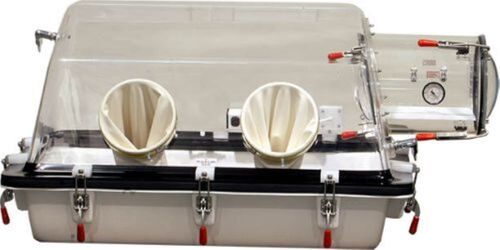
Glovebox Systems
Price 600000 INR / Piece
Minimum Order Quantity : 01 Piece
Usage : Laboratory, pharmaceutical, research institutes
Features : Transparent window, adjustable shelves, gas purification system
Control Mode : Digital and Manual Control
Automation Grade : SemiAutomatic

Automatic Melting Point Apparatus
Price 350000 INR / Piece
Minimum Order Quantity : 01 Piece
Usage : Laboratory analysis, research, quality control
Features : Programmable ramp rate, memory storage, buzzer alarm, overtemperature protection
Control Mode : Microprocessor based automatic control
Automation Grade : Automatic
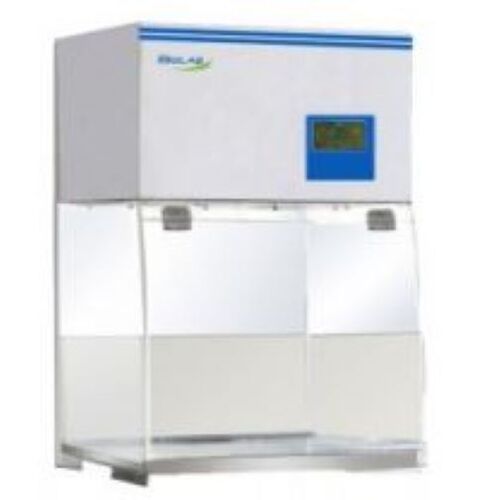
BIOSAFETY CABINET
Price 300000 INR / Piece
Minimum Order Quantity : 1 Piece
Usage : Handling hazardous biological materials
Features : HEPA filter, UV sterilization, interlocked sashes, energy efficient
Control Mode : Microprocessor control
Automation Grade : Semiautomatic

GST : 29AAGCD4887K1ZX



 Send Inquiry
Developed and Managed by Infocom Network Private Limited.


