


 Send Inquiry
Microwave Digestion System
Microwave Digestion System Specification
- Number of Specimens
- 6-12 vessels per run
- Interface Type
- USB, RS232
- Equipment Type
- Microwave Digestion System
- Gas Pressure
- Max. 40 bar (vessel pressure)
- Humidity
- 80% (non-condensing)
- Response Time
- Immediate display
- Port Size
- Standard vessel lid ports
- Specimen Size
- Up to 1000 mg
- Power Supply
- 230V AC, 50/60Hz
- Mounting Type
- Benchtop
- Max Height
- Approx. 50 cm
- Display Type
- Digital LCD touch screen
- Measuring Range
- 0-300C (temperature), 0-40 bar (pressure)
- Accuracy
- 2C temperature
- Resolution
- 1C
- Features
- Fully programmable, safety interlocks, real-time monitoring
- Test Range
- Up to 1000 mg sample per vessel
- Automation Grade
- Fully automatic
- Frequency
- 2450 MHz
- Operating Voltage
- 220-240V AC
- Temperature
- Ambient to 300C
- Application
- Sample preparation, digestion of organic/inorganic samples
- Usage
- Laboratory sample digestion
- Capacity
- 6/12 vessel rotor
- Machine Weight
- Approx. 31 kg
- Test Speed
- Rapid digestion cycle (within minutes)
- Control Mode
- Microprocessor control
- Exhaust System
- Built-in exhaust and ventilation
- Cooling System
- Integrated forced-air cooling
- Data Storage
- Internal memory for 100+ digestion programs
- Color
- White or custom
- Door Design
- Enhanced safety locking mechanism
- Program Modes
- Custom, standard, and user-defined methods
- Safety Features
- Pressure and temperature sensors, automatic shutoff
- Software Compatibility
- Windows-based PC software integration
- Material of Vessels
- High-purity TFM/PTFE
- Dimensions (WxDxH)
- 480 x 440 x 500 mm
- Alarm System
- Audible/visual alerts on fault or completion
- Microwave Power
- Up to 1000W adjustable
Microwave Digestion System Trade Information
- Minimum Order Quantity
- 1 Piece
- Supply Ability
- 10 Pieces Per Week
- Delivery Time
- 30 Days
- Main Domestic Market
- Karnataka, All India
Microwave Digestion System About
Our vision to excel and establish a strong foothold in the market has assisted us to evolve as a prominent supplier of Microwave Digestion System. It is used for performing digestion method for sensitive environmental and high organic content samples. The system completely breaks down samples such as pharmaceuticals, plants or food to make them ready for elemental analysis. Rotating carousel, and unique cavity design of this system ensures uniform microwave distribution. Microwave Digestion System is provided with pressure-responsive door and self-resealing mechanism for maximum safety.
Features:
- Automatic power control to match sample load
- Built-in temperature monitoring
- Corrosion-proof PTFE coated reinforced cavity
Reliable Safety and Control
This microwave digestion system includes multiple layers of safety, such as enhanced locking mechanisms, automatic shutoff, and real-time pressure and temperature tracking. The audible and visual alarm system immediately notifies users of faults or cycle completion, reducing operational risks and bolstering lab safety.
Efficient Sample Digestion Process
With rapid digestion cycles that complete within minutes, the systems high-purity vessels and powerful microwave energy ensure thorough and reproducible sample breakdown. The integrated cooling and exhaust systems maintain optimal working conditions, even in intensive protocols, maximizing efficiency during sample preparation.
User-Friendly Operation and Storage
Featuring a digital LCD touch screen and fully programmable microprocessor control, operators can set up custom, standard, and user-defined digestion programs. The robust internal memory stores over 100 workflows, while USB and RS232 options streamline data management. Windows-based software compatibility further enhances ease of operation.
FAQs of Microwave Digestion System:
Q: How does the microwave digestion system ensure user safety during operation?
A: The system utilizes advanced safety features, including pressure and temperature sensors, automatic shutoff, a secure door locking mechanism, and audible/visual alarms. Real-time monitoring and safety interlocks minimize risks, providing immediate alerts for faults or completion.Q: What materials are used for the digestion vessels, and why are they important?
A: The vessels are constructed from high-purity TFM/PTFE, which offer exceptional chemical resistance and purity, preventing contamination during digestion processes and ensuring reliable analytical results for both organic and inorganic samples.Q: When can rapid sample digestion be performed using this system?
A: Rapid sample digestion is possible any time, as the system features fully programmable modes with digestion cycles completing within minutes. This is ideal for laboratories requiring quick turnaround for routine or complex sample preparation.Q: Where can data from digestions be stored and managed?
A: Digestion programs and results are stored internally in the machines memory, which accommodates over 100 programs. Data management is enhanced by USB and RS232 interfaces, and integration with Windows-based PC software for seamless workflow.Q: What is the process for setting up and running a digestion program?
A: Users select or customize digestion methods via the LCD touch screen or compatible software. Parameters such as temperature, pressure, and power are set, samples are placed in high-purity vessels, and the system automatically manages digestion, monitoring, and safety until completion.Q: How does the integrated cooling and exhaust system benefit laboratory operations?
A: The forced-air cooling and built-in exhaust systems maintain stable internal conditions, prevent overheating, and efficiently remove gases, which safeguards sample integrity and operator safety throughout the digestion cycle.Q: What advantages does the microwave digestion system offer for laboratory sample preparation?
A: It delivers rapid, reproducible digestion of up to 12 samples per run, ensures high accuracy (2C), real-time monitoring, and easy automation. Safety, flexibility, and compatibility with Windows-based control software altogether enhance productivity and data integrity.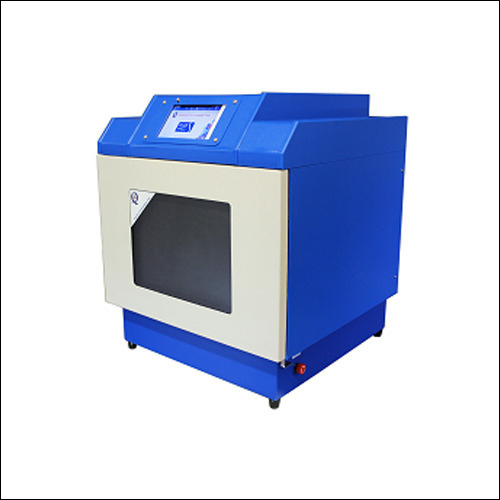

Price:
- 50
- 100
- 200
- 250
- 500
- 1000+

More Products in Environmental Instruments Category
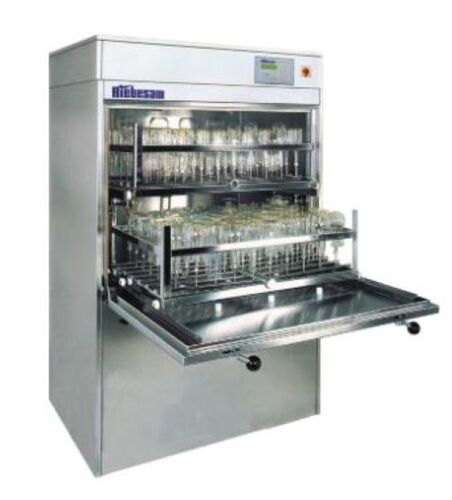
Industrial Cleaning Disinfection and Drying Machines
Price 1500000 INR / Piece
Minimum Order Quantity : 01 Piece
Features : Programmable cycles, HEPA filtered drying, stainless steel construction
Application : Automated cleaning of industrial and laboratory equipment
Usage : Automatic industrial cleaning, disinfection, drying
Interface Type : RS485, USB
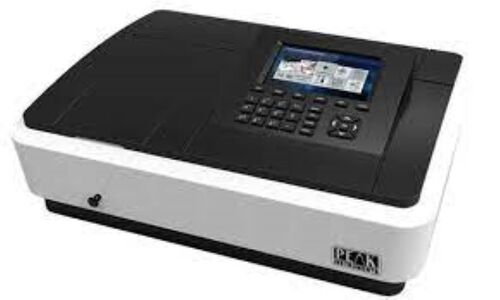
UV-VIS Spectrophotometers
Price 250000 INR / Piece
Minimum Order Quantity : 01 Piece
Features : Data Storage, USB Export, MultiWavelength Measurement, PC Compatible
Application : Chemical, Pharmaceutical, Life Sciences, Food Analysis, Environmental Testing
Usage : Absorption & Transmission Analysis
Interface Type : USB / RS232
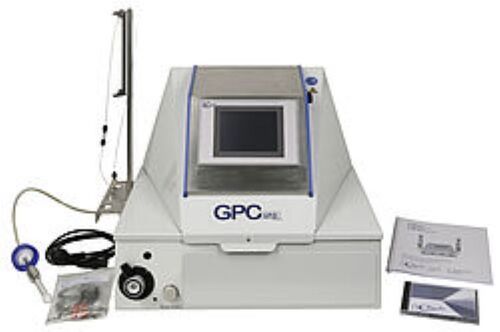
Gel Permeation Chromatography
Price 900000 INR / Piece
Minimum Order Quantity : 01 Piece
Features : Auto sampler, Data acquisition software
Application : Polymer & molecular weight distribution analysis
Usage : Laboratory/Analytical
Interface Type : USB, LAN, RS232
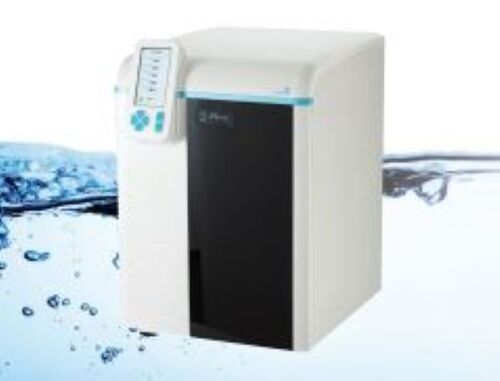
Ultrapure Water System- Evo-RO Water Systems
Price 300000 INR / Piece
Minimum Order Quantity : 01 Piece
Features : Auto Cleaning, LCD Display, Water Quality Monitoring
Application : Laboratory, Medical, Research, Industrial
Usage : Ultrapure Water Production
Interface Type : Touch Panel

GST : 29AAGCD4887K1ZX



 Send Inquiry
Developed and Managed by Infocom Network Private Limited.


