


 Send Inquiry
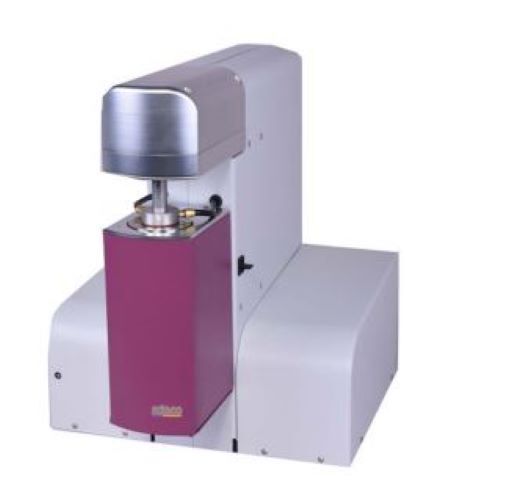
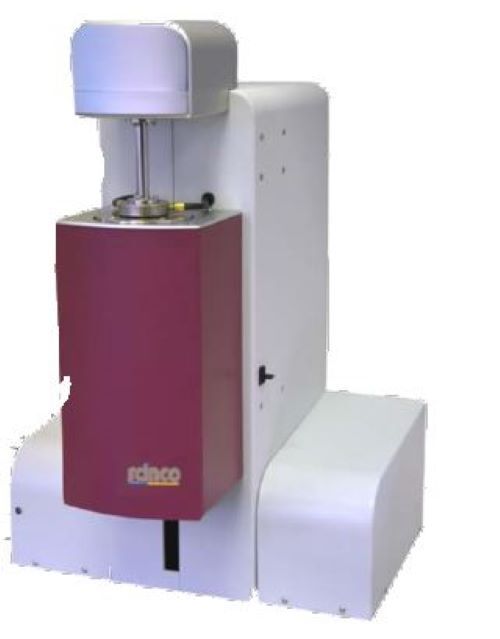
Simultaneous Thermal Analyzer
Price 1500000 INR/ Piece
Simultaneous Thermal Analyzer Specification
- Test Range
- 01500C
- Application
- Material thermal analysis for research and quality control (TG/DTA/DSC)
- Response Time
- 1 s
- Interface Type
- USB & RS232
- Accuracy
- Temperature 0.1C, Weight 0.01 mg
- Temperature
- Ambient to 1450C
- Power Supply
- 220V/50Hz
- Gas Pressure
- 0.20.5 MPa
- Resolution
- 0.01 g (weight); 0.01C (temperature)
- Humidity
- 30%95% RH (non-condensing)
- Automation Grade
- Automatic
- Frequency
- 50/60 Hz
- Number of Specimens
- 1
- Equipment Type
- Simultaneous Thermal Analyzer (STA)
- Specimen Size
- Max. 8 mm diameter or 10 mg
- Port Size
- Standard gas inlet 6 mm
- Operating Voltage
- 220 V AC, 50/60 Hz
- Measuring Range
- 0100% weight loss
- Mounting Type
- Benchtop
- Features
- Multiple gas switching, auto calibration, enclosed furnace, software-controlled operation
- Display Type
- Digital LCD Display
- Usage
- Thermal and weight analysis
- Machine Weight
- Approx. 75 kg
- Test Speed
- up to 30C/min (heating rate)
- Control Mode
- Microprocessor controlled
- Heater Type
- Wire wound, rapid heating
- Compliance
- CE Certified
- Data Output
- Software exportable in CSV/Excel format
- Cooling Time
- < 30 min (from 1000C to 100C)
- Atmosphere Type
- Static/Flowing, inert or reactive gas
- Software
- Windows compatible, advanced data analysis
- Air Supply Required
- Clean dry air for purge
- Sensor Type
- Pt/Pt-Rh thermocouple
- Heat Rate Control
- Programmable, software-based
- Safety
- Over-temperature protection and alarm
- Multi-mode Analysis
- TGA, DSC, DTA combined
- Balance Type
- Horizontal, microbalance
- Temperature Program Segments
- Up to 30 programmable steps
- Sample Holders
- Platinum crucibles
- Furnace Type
- Ceramic, high-efficiency
Simultaneous Thermal Analyzer About
STA features 0.1microgram balance resolution, advanced control algorithms with cutting edge design. Our highly sensitive heat flux plate provides accurate and reproducible heat flow data along with simultaneous weight measurement during the entire experiment. The instrument is ideally suited for evolved gas analysis, with its low purge gas flow and excellent sample environment. The STA can be configured to meet all your specific thermal analysis testing needs.High-Precision Multi-Mode Analysis
Experience simultaneous thermal analyses including TGA, DSC, and DTA within a single test cycle. The ceramic-furnace with platinum crucible holders ensures reliable heat distribution and chemical durability, while the microbalance delivers weight accuracy up to 0.01 mg across a test range of up to 1500C. Benefit from real-time insights into weight change and thermal properties for rigorous material studies.
Advanced Software & Data Management
Control your experiments and analyze data effortlessly with Windows compatible software. The platform provides up to 30 customizable temperature segments, automatic calibration, multi-mode gas switching, and instant data export to CSV or Excel. Advanced data analysis tools help in optimizing research and enhancing reporting accuracy, complemented by digital LCD display for process visualization.
Safety, Reliability, and Compliance
Safety is prioritized with over-temperature protection, enclosed furnace design, and alarm systems, all conforming to CE certification standards. The rapid heating wire-wound furnace ensures efficient operation, while the automatic, programmable control mode ensures consistent results. Clean dry air purge and robust construction support reliable operation under variable laboratory conditions.
FAQ's of Simultaneous Thermal Analyzer:
Q: How does the Simultaneous Thermal Analyzer perform multi-mode analyses like TGA, DSC, and DTA concurrently?
A: The instrument is designed to measure thermogravimetric (TGA), differential scanning calorimetry (DSC), and differential thermal analysis (DTA) parameters using a single sample in one testing run. Its advanced sensor system and microprocessor enable collection of all three datasets simultaneously, saving time and improving accuracy for comprehensive material research.Q: What types of atmospheres can be used in the analyzer, and how are they controlled?
A: The analyzer supports both static and flowing atmospheres, using either inert (e.g., nitrogen, argon) or reactive gases as needed. Gas flow and switching are fully controlled by the software, with straightforward connections via a standard 6 mm gas inlet, and safe operation ensured by maintaining gas pressure between 0.2 - 0.5 MPa.Q: When is cooling required, and how quickly does the instrument cool down?
A: Rapid cooling is crucial after high-temperature experiments to prepare for new samples or maintenance. This analyzer cools from 1000C to 100C in less than 30 minutes, minimizing downtime and maximizing laboratory efficiency.Q: Where can the data output from the system be accessed and what formats are available?
A: All measurement data is easily exported via USB or RS232 interfaces in CSV or Excel formats using the instrument's dedicated Windows-compatible software, enabling seamless transfer and further analysis on external computers or laboratory management systems.Q: What is the process for calibrating the Simultaneous Thermal Analyzer?
A: Calibration is handled automatically by the software. Routine calibration cycles can be scheduled to ensure consistent accuracy, using built-in calibration routines and reference materials, thus maintaining the high precision required for weight and temperature measurements.Q: How does the enclosed ceramic furnace benefit my thermal analysis applications?
A: The enclosed ceramic furnace ensures uniform thermal environments, protects sensitive samples from external contamination, and provides resistance to chemical reaction, making it suitable for diverse material analyses involving both inert and reactive atmospheres.Q: What are the key benefits of using this analyzer for research and quality control?
A: The system offers high measurement accuracy, repeatable auto-controlled testing, rapid temperature changes, robust safety features, and comprehensive data analysis tools, making it invaluable for advanced research settings and stringent quality control processes.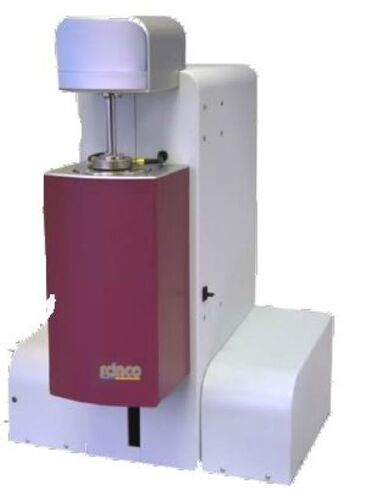

Price:
- 50
- 100
- 200
- 250
- 500
- 1000+

More Products in Analytical Instruments Category
Industrial Benchtop SPR with Analysis Modules
Price 4500000 INR / Piece
Minimum Order Quantity : 01 Piece
Control Mode : Automatic/Manual
Frequency : 0.55 Hz
Usage : Industrial/Research Laboratory
Features : Integrated analysis modules, multichannel, automatic cleaning, realtime data output
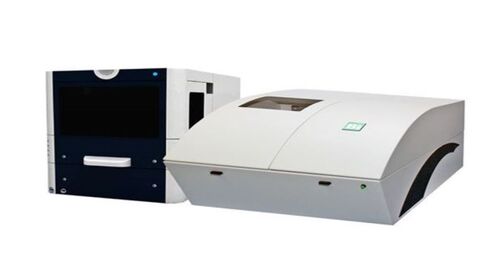
5 channel Surface Plasmon resonance with modular
Price 4500000 INR / Piece
Minimum Order Quantity : 01 Piece
Control Mode : Manual & Computer Control
Frequency : 50/60 Hz
Usage : Laboratory/Research
Features : Modular design, multichannel, realtime detection, high stability, customizable channels, temperature control, integrated cleaning
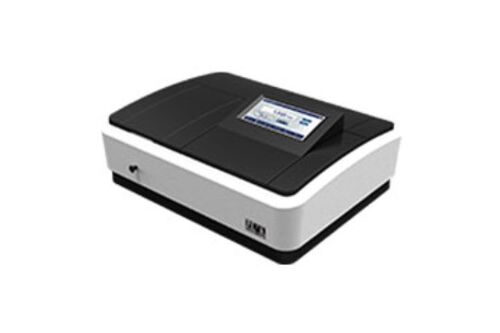
Lab Touch Screen Spectrophotometer
Price 250000 INR / Piece
Minimum Order Quantity : 01 Piece
Control Mode : Touch Screen Control
Frequency : 50/60 Hz
Usage : Laboratory Analysis
Features : Builtin Printer, Large Memory, PC Connectivity
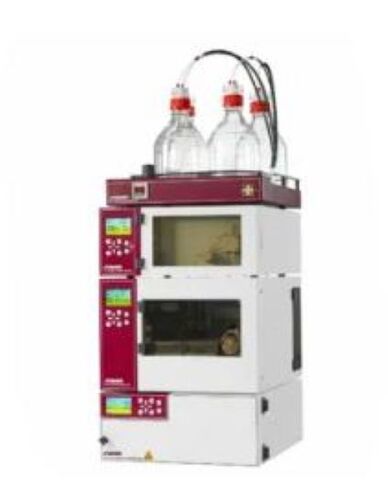
Ion Chromatography System
Price 1100000 INR / Piece
Minimum Order Quantity : 01 Piece
Control Mode : Touch screen and computer controlled
Frequency : 50/60 Hz
Usage : Laboratory analytical testing
Features : Auto calibration, auto reagent dosing, software integration, leak detection

GST : 29AAGCD4887K1ZX



 Send Inquiry
Developed and Managed by Infocom Network Private Limited.


