


 Send Inquiry
Thermo Gravimetric Analyzer
Price 1500000 INR/ Piece
Thermo Gravimetric Analyzer Specification
- Resolution
- 0.1 g
- Specimen Size
- 1100 mg
- Frequency
- 50/60 Hz
- Response Time
- <1 second
- Display Type
- Digital LCD
- Operating Voltage
- 220V AC
- Features
- Automatic Tare, Real-Time Data Output, Alarm System
- Mounting Type
- Benchtop
- Gas Pressure
- 0.10.5 MPa
- Number of Specimens
- 1 (standard)
- Measuring Range
- 0100% weight change
- Port Size
- Gas inlet: 6 mm OD
- Humidity
- <85% RH non-condensing
- Temperature
- Room temperature to 1200 C
- Equipment Type
- Thermo Gravimetric Analyzer
- Max Height
- 450 mm with lid open
- Automation Grade
- Automatic
- Accuracy
- 0.1% weight change
- Interface Type
- USB/RS232
- Power Supply
- 220V AC, 50/60Hz
- Test Range
- 0100% weight loss
- Application
- Analysis of thermal stability and composition of materials
- Usage
- Laboratory, Research Institutes, Quality Control Laboratories
- Capacity
- 1200C - maximum heating
- Machine Weight
- 45 kg
- Test Speed
- 0.01200 C/min
- Control Mode
- Microprocessor controlled
- Calibration
- Built-in auto calibration function
- Cooling Method
- Natural air and optional fan
- Weight Loading Capacity
- 200 mg max
- Heat Rate Uniformity
- 1 C across zone
- Software Compatibility
- Windows 7/8/10
- Temperature Ramp Rate
- Programmable
- Heating Element
- High purity Kanthal or platinum wire
- Crucible Material
- Ceramic/Alumina Platinum (optional)
- Atmosphere Control
- Inert, oxidizing, or reducing gases
- Balance Type
- Microbalance, electromagnetic force restoration
- Instrument Dimensions
- 520 x 430 x 470 mm
- Safety Functions
- Overtemperature and overcurrent protection
- Data Storage
- Internal memory, external USB storage
Thermo Gravimetric Analyzer About
The Thermogravimetric Analyzer(TGA) measure weight change as a function of time or temperature. The TGA uses a vertical design which provides high sensitivity and stable baseline performance. Evaluation of fillers, bound water, unbound water, antioxidants, and thermal stability are examples of some of the capabilitiesAdvanced Material Analysis
Equipped with high purity Kanthal or optional platinum heating elements, the Thermo Gravimetric Analyzer supports temperature profiles up to 1200C, facilitating the analysis of materials' thermal stability and composition. The instrument offers programmable heat ramp rates and uniformity, ensuring accuracy and consistency across applications ranging from basic laboratory research to advanced quality control.
User-Centric Operation & Automation
The analyzer features intuitive control via a microprocessor and digital LCD display. Automatic tare, real-time data output, and integrated alarm systems enhance usability and workflow efficiency. The built-in calibration function ensures accuracy for every test while safety mechanisms safeguard both operator and device, making it ideal for demanding laboratory environments.
Flexible Atmosphere Control and Data Management
Atmosphere control accommodates inert, oxidizing, and reducing gases via a 6 mm OD inlet (0.1-0.5 MPa), allowing for tailored testing conditions. Data can be stored internally or exported to external USB storage, with robust compatibility supporting Windows 7/8/10 software platforms. Such flexibility is beneficial for both short-term experiments and long-term research documentation.
FAQ's of Thermo Gravimetric Analyzer:
Q: How does the Thermo Gravimetric Analyzer maintain measurement accuracy during tests?
A: The analyzer utilizes a microbalance with electromagnetic force restoration technology, providing high sensitivity and precision (0.1% weight change, 0.1 g resolution). Built-in auto calibration ensures that results remain consistently accurate throughout each analysis.Q: What types of crucible materials can be used with the analyzer, and when should I choose each type?
A: The instrument supports ceramic/alumina crucibles, with platinum available as an option. Ceramic and alumina are suitable for standard thermal analysis, while platinum is recommended for tests requiring higher chemical resistance or when using aggressive reagents.Q: Where can I use the Thermo Gravimetric Analyzer, and what are its typical applications?
A: This analyzer is designed for benchtop use in laboratories, research institutes, and quality control labs. Its primary applications include thermal stability analysis, material composition studies, and quantitative weight loss determination under controlled atmospheres.Q: What is the process for controlling the atmosphere in the analyzer during an experiment?
A: Atmosphere control is achieved by connecting appropriate gases to the 6 mm OD inlet at pressures ranging from 0.1 to 0.5 MPa. Users can select inert, oxidizing, or reducing atmospheres based on their experiment requirements, allowing precise simulation of environmental conditions.Q: How is data output and storage managed in this Thermo Gravimetric Analyzer?
A: Data from each test can be stored internally or exported to external USB devices. The instrument also supports direct interfacing with a computer via USB or RS232, and is compatible with Windows 7/8/10 operating systems, facilitating easy documentation and analysis.Q: What safety benefits does the analyzer offer during operation?
A: Operator and device safety are ensured through built-in overtemperature and overcurrent protection functions. An alarm system alerts users to potential hazards, and optional fan-assisted cooling helps maintain safe operating conditions during and after testing.Q: When is it beneficial to use the programmable ramp rate and automatic tare features?
A: Programmable temperature ramp rates (0.01-200C/min) allow tailored heating profiles for specific sample requirements, enhancing experimental flexibility. Automatic tare ensures accurate mass measurements by subtracting container weight, streamlining the setup and reducing human errors.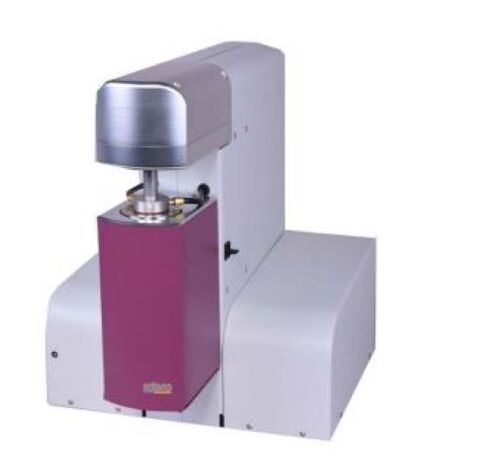

Price:
- 50
- 100
- 200
- 250
- 500
- 1000+

More Products in Analytical Instruments Category
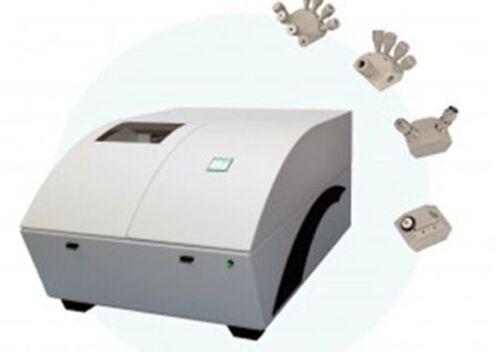
Surface Plasmon Resonance
Price 5000000 INR / Piece
Minimum Order Quantity : 01 Piece
Power Supply : AC 230V, 50 Hz
Usage : Quantitative and kinetic biomolecular analysis
Features : Realtime monitoring, high stability, userfriendly software
Control Mode : Automatic computer control
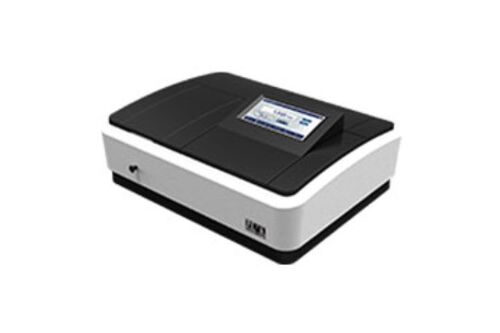
Lab Touch Screen Spectrophotometer
Price 250000 INR / Piece
Minimum Order Quantity : 01 Piece
Power Supply : AC 220V, 50/60Hz
Usage : Laboratory Analysis
Features : Builtin Printer, Large Memory, PC Connectivity
Control Mode : Touch Screen Control
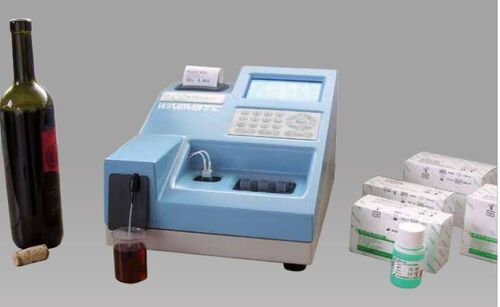
Wine Testing Instruments
Price 300000 INR / Piece
Minimum Order Quantity : 01 Piece
Power Supply : 230V AC, 50Hz
Usage : Laboratory, Wine Testing
Features : Automatic calibration, Overload protection, Data logging
Control Mode : Digital automatic
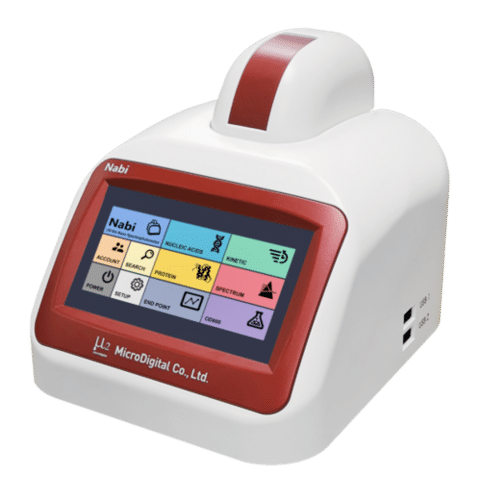
UV Vis nano Spectrophotometer
Price 610000 INR / Number
Minimum Order Quantity : 01 Number
Power Supply : 80100 W
Usage : Laboratory analysis
Features : Nano volume, Micro volume, Cuvette option, Data storage, Rapid measurement, Userfriendly interface

GST : 29AAGCD4887K1ZX



 Send Inquiry
Developed and Managed by Infocom Network Private Limited.


