


 Send Inquiry
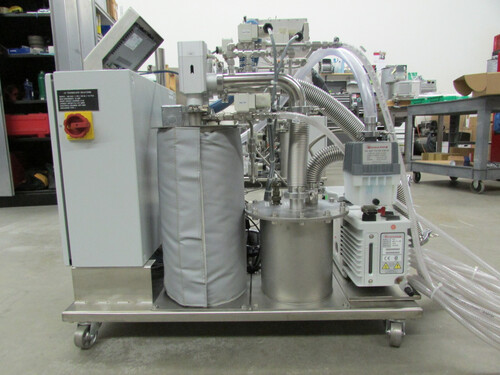
AMINO ACID ANALYZER
Price 3800000 INR/ Piece
AMINO ACID ANALYZER Specification
- Specimen Size
- 10100 L per injection
- Operating Voltage
- 220V 10%, 50/60 Hz
- Measuring Range
- 0.11000 mol/L (typical analyte concentration)
- Display Type
- Color LCD touch screen
- Resolution
- 0.01 mol/L
- Application
- Amino acid identification, composition, and concentration analysis
- Automation Grade
- Fully automatic
- Max Height
- 480 mm
- Humidity
- 80% RH (non-condensing)
- Number of Specimens
- Up to 120 vials in autosampler
- Frequency
- 50/60 Hz
- Interface Type
- USB, Serial, LAN, RS232
- Test Range
- 0.1300 nmol (injectable sample range)
- Port Size
- Standard 1/8 or 1/16 tubing connections
- Gas Pressure
- 0.40.6 MPa (hydrogen or nitrogen for detector)
- Equipment Type
- Benchtop Analytical System
- Response Time
- < 1 second (data acquisition)
- Features
- Automated operation, self-cleaning, built-in printer, data export
- Temperature
- Ambient 1535C, Column oven up to 85C
- Power Supply
- 220V AC, 50/60 Hz
- Mounting Type
- Benchtop
- Accuracy
- 1% RSD (retention time); 3% RSD (peak area)
- Usage
- Quantitative amino acid analysis (pharmaceutical, food, clinical, etc.)
- Capacity
- Up to 200 samples/day
- Machine Weight
- 45 kg
- Test Speed
- Ultra-fast analysis (typical run 10-30 min depending on sample)
- Test Width
- Up to 320 mm
- Test Stroke
- Variable, programmable (flexible for method selection)
- Control Mode
- Automated via microprocessor/embedded system
- Compliance
- GLP/GMP, CE certified
- Data Output
- Lab software compatible, PDF/Excel/Chromatogram export
- Detection Principle
- Post-column ninhydrin or OPA derivatization with UV/Vis or fluorescence detection
- Detector Wavelength
- UV: 440 nm/570 nm; Fluorescence: 340 nm excitation, 450 nm emission
- Operating Software
- Custom Windows-based software with method library
- Noise Level
- < 60 dB
- Column Type
- High efficiency ion-exchange column, temperature controlled
- Sample Throughput
- Automated, up to 8 runs simultaneously
- Cooling System
- Forced air cooling
AMINO ACID ANALYZER About
Amino Acid Analyzer S 433
Classical amino acid analyzers, based on cation exchange chromatography followed by post column derivitazation with Ninhydrine. For amino acid analysis in food and feedstuff analysis classical amino acid analyzers are the mandatory method for compliance with the EU Commission Directive 98/64/EC describing cation exchange chromatography followed by post column derivitazation with Ninhydrine. The Sykam S 433 Amino Acid Analyzer is a turn key analyzer for physiological fluids and food/feedstuff hydrolysate amino acid analysis. The Sykam S 433 Amino Acid Analyzer is developed as a complete operational system completed with a series of ready to use buffers, reagents and columns for physiological fluids and food/feedstuff hydrolysate amino acid analysis. control software is fully 21 CFR compliance.
Advanced Detection Technologies
The Amino Acid Analyzer utilizes post-column ninhydrin or orthophthalaldehyde (OPA) derivatization, enabling precise detection via UV/Visible or fluorescence methods. Dual detector wavelengths (UV at 440/570 nm; fluorescence at 340 nm excitation, 450 nm emission) ensure broad analyte coverage and high sensitivity for diverse sample types. This versatility is essential for reliable amino acid quantification in complex matrices.
Automated Efficiency and High Throughput
With automated operation and a capacity for up to 8 parallel runs and 200 samples per day, the system dramatically increases laboratory productivity. The autosampler accommodates up to 120 vials, making it ideal for routine testing and batch processing. Its self-cleaning function, built-in printer, and flexible method selection further streamline workflow.
Precise and Reliable Measurement
Equipped with a high efficiency, temperature-controlled ion-exchange column, the analyzer achieves exceptional accuracy (1% RSD retention time) and resolution (0.01 mol/L). Programmable test stroke and method library offer customizable conditions, while robust software ensures data integrity and compatibility with lab reporting needs (PDF, Excel, chromatogram export).
FAQ's of AMINO ACID ANALYZER:
Q: How does the Amino Acid Analyzer achieve accurate amino acid identification and quantification?
A: The analyzer operates on a post-column ninhydrin or OPA derivatization principle, followed by high-efficiency detection through UV/Vis or fluorescence. Specialized wavelength selection and automated method optimization provide precise quantification and identification, ensuring high analytical accuracy (1% RSD retention time; 3% RSD peak area).Q: What is the typical sample throughput and processing speed of the analyzer?
A: This system can process up to 8 runs simultaneously and handle up to 200 samples daily. With typical analysis times ranging from 10 to 30 minutes per sample, it offers ultra-fast throughput for high-demand laboratory environments.Q: When should I use this system, and for which types of samples is it suitable?
A: The analyzer is ideal for applications requiring quantitative amino acid profiling, such as pharmaceutical research, clinical diagnostics, food analysis, and nutritional studies. You should use it when you need reliable, reproducible analysis of free or protein-derived amino acids in complex sample matrices.Q: Where can the Amino Acid Analyzer be installed, and what are the environmental requirements?
A: This benchtop system is designed for laboratory environments with power supply at 220V AC (10%), ambient temperatures between 15-35C, humidity 80% RH (non-condensing), and standard gas pressure (0.4-0.6 MPa) for detector operation. It has a forced air cooling system and is compact for standard lab benches.Q: What is the typical workflow process for amino acid analysis using this system?
A: Samples (10-100 L per injection) are loaded into the autosampler (up to 120 vials). The analyzer automates derivatization, chromatographic separation, detection, data analysis, and export. Method parameters are programmable, and the built-in software provides step-by-step process control, self-cleaning, and result reporting.Q: How does the analyzer benefit laboratory operations in terms of data handling and compliance?
A: The system supports seamless data export (PDF, Excel, chromatograms), GLP/GMP compliance, and CE certification. Its custom Windows-based software offers secure method libraries, rapid data acquisition (<1 second response), and ensures reliable audit trails for regulatory environments.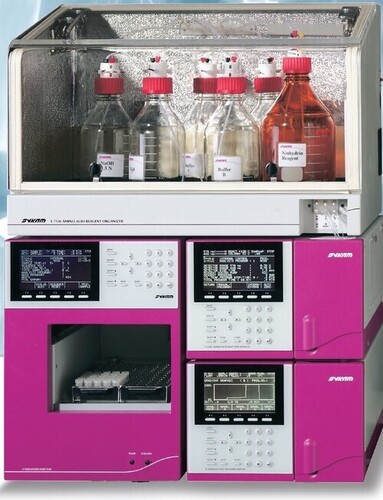

Price:
- 50
- 100
- 200
- 250
- 500
- 1000+

More Products in Research/ Institutional Instrument Category
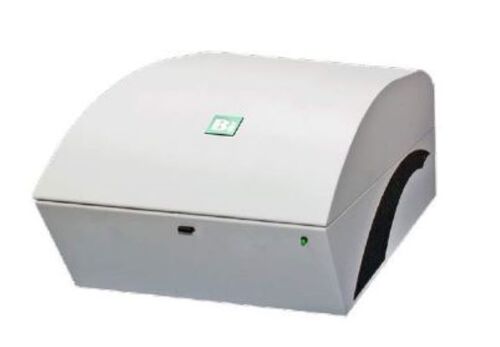
BENCHTOP SPR with analysis modules
Price 4500000 INR / Piece
Minimum Order Quantity : 01 Piece
Control Mode : Fully Automated
Features : Integrated sample injection, modulebased analysis, realtime data acquisition
Automation Grade : Semi and fully automatic
Usage : Research laboratory, academic institutes, pharma R&D
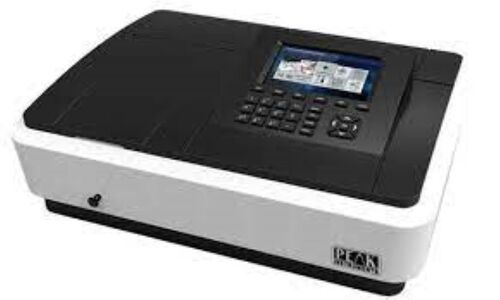
UV VIS SPECTROPHOTOMETER
Price 250000 INR / Piece
Minimum Order Quantity : 01 Piece
Control Mode : Automatic
Features : Automatic wavelength setting, Data storage, Selfcalibration
Automation Grade : SemiAutomatic
Usage : Laboratory, Research, Industrial
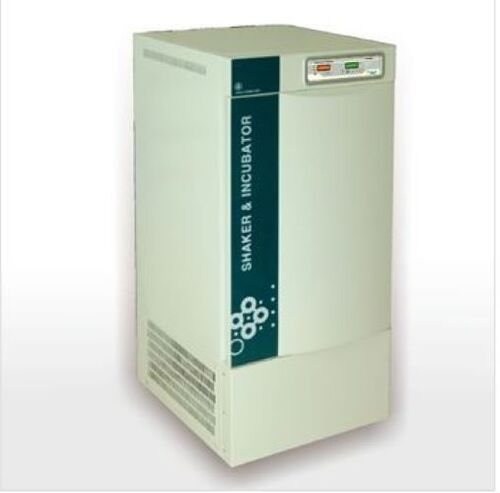
REFRIGERATED INCUBATOR WITH BUILT IN SHAKER
Price 400000 INR / Piece
Minimum Order Quantity : 01 Piece
Control Mode : Digital PID Temperature & Speed Control
Features : Programmable Timer, Overtemperature protection, Safety Door Switch, Uniform Air Circulation
Automation Grade : Fully Automatic
Usage : Laboratory
Gas Purification System
Price 1200000 INR / Piece
Minimum Order Quantity : 01 Piece
Control Mode : Automatic / Manual (via PLC or touch panel)
Features : Modular design, easy maintenance, high efficiency, filter replacement indicators, automatic purge, corrosionresistant material
Automation Grade : SemiAutomatic / Fully Automatic (as configured)
Usage : Industrial gas purification (nitrogen, hydrogen, argon, oxygen, etc.)

GST : 29AAGCD4887K1ZX



 Send Inquiry
Developed and Managed by Infocom Network Private Limited.
