


 Send Inquiry
BIOREACTOR AND FERMENTOR
Price 400000 INR/ Piece
BIOREACTOR AND FERMENTOR Specification
- Mounting Type
- Floor/bench top
- Accuracy
- pH: ±0.01, DO: ±2%
- Interface Type
- RS232, USB communication
- Max Height
- 1550 mm
- Response Time
- < 5 seconds
- Resolution
- pH: 0.01, DO: 0.1%
- Display Type
- Digital LCD touch panel
- Humidity
- 40-80% RH
- Power Supply
- 220V AC, 50 Hz
- Equipment Type
- Bioreactor and Fermentor
- Features
- Automated sterilization, temperature, pH & DO control, agitation, data logging
- Measuring Range
- pH 2-12, DO 0-200%
- Port Size
- 1/2 inch to 2 inch options
- Automation Grade
- Fully Automated
- Specimen Size
- Customizable vessel/biomass
- Hardness
- Stainless steel 316L contact parts
- Test Range
- 1L to 100L (working volume)
- Operating Voltage
- 220V/110V selectable
- Application
- Microbial, cell culture & fermentation processes
- Temperature
- 5°C to 70°C
- Frequency
- 50/60 Hz
- Gas Pressure
- 0.2-2 bar
- Number of Specimens
- 1-6, as per vessel configuration
- Usage
- Industrial & laboratory fermentation and cell culture
- Capacity
- 10L, 20L, 50L, and 100L standard
- Machine Weight
- 230 kg
- Test Speed
- Variable, 10-500 rpm
- Test Width
- 250 mm
- Test Stroke
- Max 350 mm
- Control Mode
- Automated PLC-based control
- Stirring Mechanism
- Magnetic drive or mechanical seal, variable speed
- Vessel Configuration
- Single/double jacketed with insulation
- Probes Included
- pH, dissolved oxygen, temperature, optional foam/level
- Control System
- PLC-based with SCADA compatibility
- Sampling Port
- Yes, aseptic sampling
- Sterilization Method
- In-situ sterilization, automatic
- Lighting
- Integrated vessel illumination (available in photobioreactor)
- Safety Features
- Over-temperature and overpressure alarms
- Material of Construction
- 316L Stainless Steel with glass viewing port
- Cleaning Type
- CIP (Clean-In-Place) & SIP (Steam-In-Place)
- Agitator Type
- Rushton turbine or marine impeller
BIOREACTOR AND FERMENTOR About
Bioreactor and Fermentor
Pilot and lab scale bioprocess fermentation systems are customized according to customer needs and applications to provide the best solutions. Likely applications are cell culture, biofuel processing, microbial fermentation, waste treatment, biopolymer production and biogas production from biomass.
Premium Material Construction
Made from robust 316L stainless steel with a glass viewing port, this bioreactor and fermentor ensures maximum durability, corrosion resistance, and visibility. The vessel's single or double-jacketed design provides efficient insulation and optimal thermal control for consistent process outcomes.
Advanced Control and Automation
Featuring a PLC-based automated control system with SCADA compatibility, the equipment enables seamless integration with facility networks. Digital LCD touch panel allows precise monitoring and control of all critical parameters, including pH, dissolved oxygen, temperature, and agitation speed.
Enhanced Sterility and Safety
Integrated CIP (Clean-In-Place) and SIP (Steam-In-Place) functions ensure automatic, effective sterilization with minimal operator intervention. Safety is reinforced through over-temperature and overpressure alarms, while aseptic sampling ports support contaminant-free sample collection.
Versatile Application Options
Available with Rushton turbine or marine impeller agitators, this bioreactor and fermentor suits a wide range of microbial, cell culture, and fermentation processes. Its scalable capacity options and customizable vessel configurations make it ideal for industrial and laboratory use alike.
FAQ's of BIOREACTOR AND FERMENTOR:
Q: How does the bioreactor and fermentor maintain sterile conditions during operations?
A: The system utilizes in-situ sterilization with automated Clean-In-Place (CIP) and Steam-In-Place (SIP) cycles, along with integrated aseptic sampling ports, ensuring the vessel and processes remain contaminant-free throughout operation.Q: What applications can I use this bioreactor and fermentor for?
A: It is designed for a broad spectrum of microbial fermentation, cell culture, and bioprocessing tasks, suitable for both industrial-scale and laboratory research in pharmaceuticals, biotechnology, and bioengineering.Q: When should I perform cleaning and sterilization cycles?
A: Cleaning and sterilization cycles are recommended before and after each batch run. The automated CIP and SIP functions can be scheduled via the PLC control system, minimizing manual intervention and enhancing process reliability.Q: Where can integrated data monitoring and control be accessed?
A: All operational data and controls are accessible through the digital LCD touch panel interface and can be monitored remotely via SCADA-compatible PLC and communication ports (RS232, USB), facilitating automated data logging and process management.Q: What benefits does the automated PLC-based control system offer?
A: PLC-based control ensures precise, programmable regulation of agitation, temperature, pH, and dissolved oxygen, resulting in enhanced process consistency, improved safety through real-time alarms, and streamlined operation for users.Q: How is sample collection handled during fermentation?
A: Aseptic sampling ports allow operators to collect biological samples safely at any stage during cultivation without compromising vessel sterility, supporting reliable analysis and quality assurance.Q: What is the advantage of vessel illumination in photobioreactor applications?
A: Integrated vessel illumination promotes optimal light exposure for photobioreactive processes, improving cell growth and productivity while supporting visual monitoring through the glass port.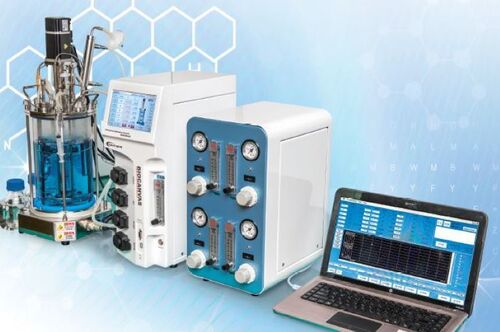

Price:
- 50
- 100
- 200
- 250
- 500
- 1000+

More Products in Research/ Institutional Instrument Category
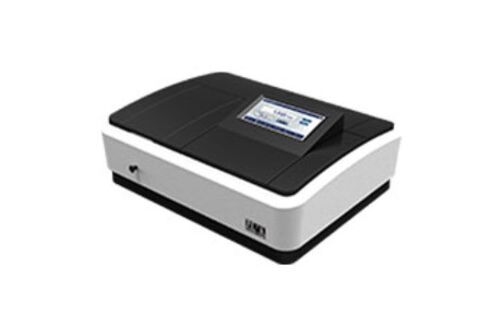
TOUCH SCREEN SPECTROPHOTOMETER
Price 900000 INR / Piece
Minimum Order Quantity : 01 Piece
Application : Color Measurement, Textile, Plastics, Paint, Chemical Analysis
Features : Pass/Fail Analysis, Data Storage, Standalone Operation, Builtin Color Space Selection
Power Supply : AC 100240V, 50/60Hz, 75W max
Usage : Laboratory and Industrial
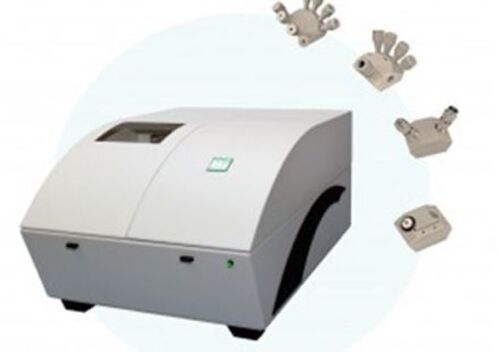
Surface Plasma Resonance SPRm 200S
Price 4500000 INR / Piece
Minimum Order Quantity : 01 Piece
Application : Biomolecular interaction analysis, labelfree assay, kinetic study
Features : Realtime imaging, kinetic analysis, labelfree quantification
Power Supply : AC 100240V, 50/60 Hz
Usage : Laboratory analytical measurement
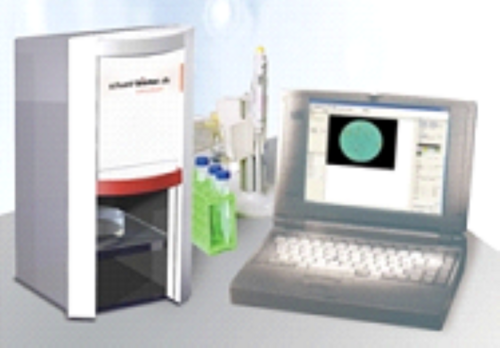
Colony Quant Automated colony counter
Price 1250000 INR / Piece
Minimum Order Quantity : 01 Piece
Application : Microbial colony counting in microbiology labs, food & beverage, pharma
Features : Autocount, traceable data export, adjustable light source, user calibration
Power Supply : 100240V AC, 50/60 Hz
Usage : Laboratory automation, colony count validation
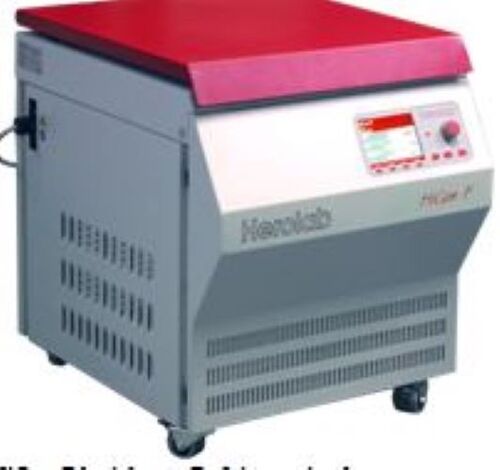
High Speed Table Top and Floor Standing Centrifuges
Price 350000 INR / Piece
Minimum Order Quantity : 01 Piece
Application : Medical, Research, Clinical, Industrial Laboratory separation
Features : Imbalance detection, automatic lid lock, programmable memory, brushless motor
Power Supply : 220V/110V AC, 50/60 Hz
Usage : High speed sample separation & analysis

GST : 29AAGCD4887K1ZX



 Send Inquiry
Developed and Managed by Infocom Network Private Limited.


