


 Send Inquiry
Automatic Melting Point Apparatu
Price 340000 INR/ Number
Automatic Melting Point Apparatu Specification
- Temperature
- Ambient to 400°C
- Measuring Range
- Up to 400°C
- Power Supply
- 230 V AC, 50 Hz
- Features
- Programmable, auto detection, data storage
- Specimen Size
- Capillary tube: 1.4 mm i.d. x 90 mm
- Operating Voltage
- 230 V
- Test Range
- Room temperature to 400°C
- Humidity
- Operating < 80% RH
- Mounting Type
- Benchtop
- Display Type
- Digital LCD display
- Frequency
- 50 Hz
- Interface Type
- RS232/USB (optional)
- Equipment Type
- Automatic Melting Point Apparatus
- Response Time
- Rapid response
- Number of Specimens
- 3 simultaneously
- Application
- Used to determine the melting point of substances
- Resolution
- 0.1°C
- Automation Grade
- Automatic
- Max Height
- Approx. 280 mm
- Accuracy
- ±0.5°C
- Port Size
- Standard glass capillary tube compatible
- Usage
- Pharmaceutical, chemical, research laboratories
- Capacity
- Multiple samples
- Machine Weight
- Approx. 3.5 kg
- Test Speed
- Adjustable
- Test Width
- Standard capillary tube
- Test Stroke
- Manual or Motorized capillary loading
- Control Mode
- Automatic digital control
- Color
- White/Grey body
- Accessories Included
- Capillary tubes, cleaning rod, user manual
- Alarm
- Audio/visual alarm at end of test
- Test Method
- Capillary tube method
- Sample Observation
- Integrated magnifying lens with illumination
- Data Output
- Printer/PC connectivity available
- Operating Environment
- 10°C - 40°C, non-condensing
- Calibration
- Manual or automatic calibration supported
- Heater Type
- Microprocessor controlled
- Safety Feature
- Over-temperature protection
Automatic Melting Point Apparatu About
Automatic Melting Point Apparatus
Single sample analysis LCD display, simple alphanumeric keypad. Melting point determination by photoelectric detection. Automatic functions. Reads and registers the starting point, fusion point and end point.
Precision and Versatility for Laboratory Analysis
The Automatic Melting Point Apparatus offers exceptional accuracy and reliability for determining the melting points of various substances. With adjustable test speeds, a wide temperature range (up to 400C), and programmable features, it meets the rigorous demands of professional laboratories engaged in pharmaceutical, chemical, and academic research. Its robust design provides stable results for both routine and advanced testing.
Efficient Sample Testing and User-Friendly Operation
Designed to handle multiple samples simultaneously, this apparatus streamlines the analytical process. The integrated magnifying lens with illumination ensures precise visual confirmation of melting events. Digital LCD display and intuitive control modes make operation straightforward, while features like audio/visual alarms and over-temperature protection further enhance user safety and confidence.
Comprehensive Connectivity and Data Management
With RS232/USB interfaces, users can connect the device directly to a printer or PC for seamless data recording and archiving. Supporting both manual and automatic calibration, the instrument adapts to varied laboratory needs, ensuring consistently accurate results over time and supporting regulatory compliance in analytical work.
FAQ's of Automatic Melting Point Apparatu:
Q: How is the melting point determined using this apparatus?
A: The apparatus employs the capillary tube method, wherein finely powdered samples are loaded into standard glass capillary tubes. These tubes are inserted into the instrument, which automatically heats them while users observe changes through an integrated magnifying lens with illumination. The melting point is detected digitally, and alarms notify the user upon completion.Q: What safety features protect the user during operation?
A: The device includes over-temperature protection to prevent overheating, and both audio and visual alarms signal the end of testing or any potential hazards. These features help safeguard both the user and the samples during extended laboratory work.Q: When should calibration be performed, and how is it done?
A: Calibration is recommended before starting new testing series, after maintenance, or when accuracy is in question. The apparatus supports both manual and automatic calibration using reference melting standards, ensuring ongoing precision in measurement.Q: Where is this apparatus commonly used?
A: This melting point apparatus is widely utilized in pharmaceutical, chemical, and research laboratories. Its compliance with industry standards and robust design make it ideal for environments in universities, research institutes, and quality control labs.Q: What is the process for loading samples and starting a test?
A: Samples are introduced into compatible capillary tubes (1.4 mm i.d. x 90 mm), which can be loaded manually or with a motorized system. After loading, users set the test parameters on the digital control panel, and the device automatically manages heating, detection, and result display.Q: How does the apparatus enhance laboratory workflow and data management?
A: By allowing simultaneous testing of up to three samples and offering digital connectivity via RS232/USB, the apparatus accelerates throughput and enables efficient data recording and transfer to PCs or printers, aiding documentation and compliance in laboratory operations.Q: What are the benefits of using this automatic melting point apparatus over manual methods?
A: This automatic apparatus offers greater accuracy, faster response times, and repeatable results compared to manual techniques. Its digital controls, safety mechanisms, and ability to handle multiple specimens simultaneously increase productivity while reducing human error and operator fatigue.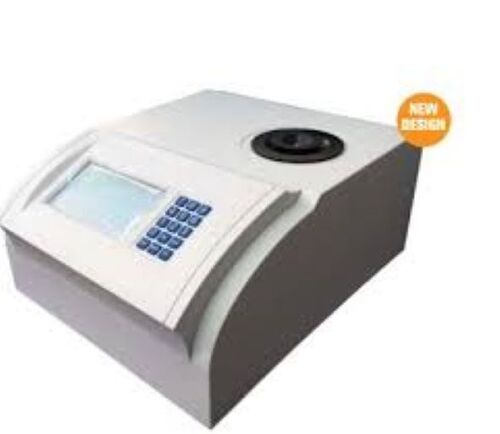

Price:
- 50
- 100
- 200
- 250
- 500
- 1000+

More Products in Food Testing Instruments Category
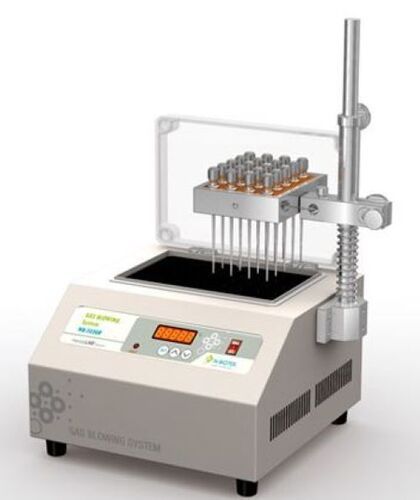
Gas Blowing Concentrators
Price 50000 INR / Piece
Minimum Order Quantity : 01 Piece
Mounting Type : Tabletop
Control Mode : Manual/Automatic
Power Supply : 220 V AC, 50 Hz
Features : Corrosion resistant, precise control, adjustable parameters
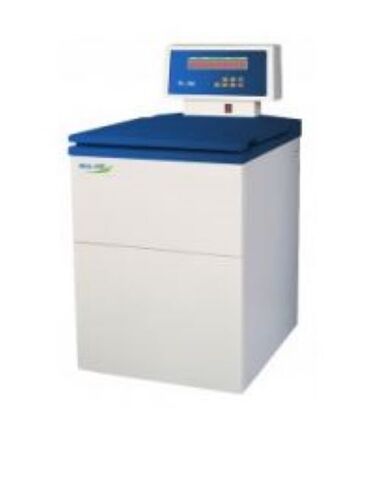
Floor Type Low Speed Centrifuges
Price 350000 INR / Number
Minimum Order Quantity : 01 Number
Mounting Type : Floor standing
Control Mode : Digital controller with touch panel
Power Supply : AC 220V 50/60Hz
Features : Low noise, imbalance detection, auto lid lock, programmable memory
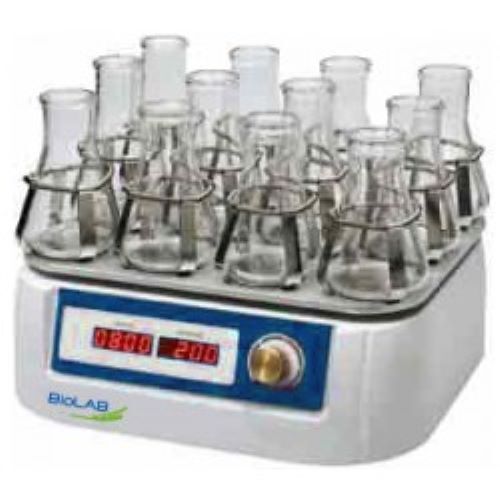
Shaker- Orbital Shaker
Price 495000 INR / Unit
Minimum Order Quantity : 01 Unit
Mounting Type : Benchtop
Control Mode : Digital Speed Control with Timer
Power Supply : 230V AC, 50 Hz
Features : Variable speed, Digital display, Timer, Nonslip platform, Compact design
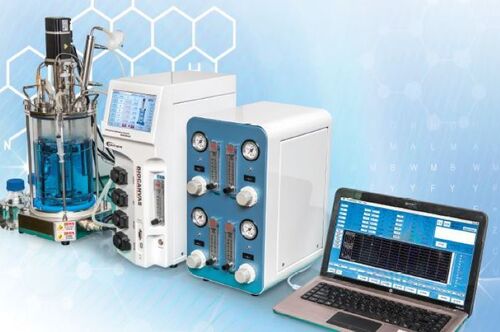
Biocanvas LF- Convenience Bench Top Fermentor and Bioreactor System
Price 400000 INR / Set
Minimum Order Quantity : 01 Set
Mounting Type : BenchTop
Control Mode : Automated PID control system, touchscreen interface
Power Supply : 220V AC, 50Hz
Features : Automated feed control, realtime monitoring, sterilizable vessel, modular ports, compact design

GST : 29AAGCD4887K1ZX



 Send Inquiry
Developed and Managed by Infocom Network Private Limited.


