


 Send Inquiry
Uve Photochemical Reactor For Aflatoxin
Uve Photochemical Reactor For Aflatoxin Specification
- Gas Pressure
- Atmospheric
- Number of Specimens
- 6
- Mounting Type
- Benchtop
- Port Size
- 1/2 inch
- Humidity
- 85% RH
- Response Time
- Immediate
- Power Supply
- 230V AC, 50Hz
- Application
- Aflatoxin Degradation/Detoxification
- Max Height
- 380 mm
- Test Range
- Up to 6 samples
- Interface Type
- Manual control with digital timer
- Measuring Range
- UV Intensity 254 nm
- Equipment Type
- UV Photochemical Reactor
- Specimen Size
- 28 mm diameter
- Accuracy
- 2 nm wavelength
- Operating Voltage
- 230V
- Frequency
- 50 Hz
- Automation Grade
- Semi-Automatic
- Features
- Corrosion-resistant, Easy sample loading, Enclosed UV chamber
- Display Type
- Digital Display
- Resolution
- 1 nm
- Temperature
- Room Temperature (22-25C)
- Usage
- Photodegradation of aflatoxins
- Capacity
- 6 Sample positions
- Machine Weight
- 18 kg
- Test Speed
- Variable
- Test Width
- 150 mm
- Test Stroke
- 75 mm
- Control Mode
- Digital Timer Control
- Cooling
- Air cooled
- Safety Feature
- Interlock for UV chamber door
- Wavelength
- 254 nm
- Service Support
- Available
- Lamp Power
- 11W
- UV Lamp Type
- Low Pressure Mercury Lamp
- Construction
- Powder coated outer body
- Chamber Material
- Stainless Steel (SS 304)
- Timer Range
- 0-999 minutes
- Sample Holder Material
- Quartz
- Inner Chamber Dimensions
- 150 x 150 x 300 mm
Uve Photochemical Reactor For Aflatoxin Trade Information
- Minimum Order Quantity
- 1 Piece
- Supply Ability
- 10 Pieces Per Week
- Delivery Time
- 30 Days
- Main Domestic Market
- Karnataka
Uve Photochemical Reactor For Aflatoxin About
We are counted among the reputed business entities, engaged in supplying Uve Photochemical Reactor For Aflatoxin. We procure this equipment from the reputed vendors of the market with the help of our agents. This equipment is used for detection of aflatoxins, phenylurea pesticides, barbiturates and other compounds in a given sample. No reagents are needed during the analysis as the water in the HPLC eluent is used for it. Photochemical post-column derivatization of Aflatoxins in a special reactor loop with UV light. We offer Uve Photochemical Reactor For Aflatoxin at reasonable prices.
Features:
- High light transmission
- Specially designed fluorocarbon coil
- UV low pressure lamp
Advanced UV Reactor for Aflatoxin Degradation
Harnessing the power of a low-pressure mercury lamp at 254 nm, this UV photochemical reactor is engineered to target aflatoxin molecules, providing safe, efficient detoxification. With digital controls, a corrosion-resistant build, and an air-cooled design, users experience convenience and precision for laboratory and industrial applications.
Optimized for Laboratory Safety and Performance
The reactor prioritizes safety with an interlock system that disables the lamp when the chamber door is open, and a robust stainless steel interior shields users from UV exposure. Its quartz sample holders provide excellent UV transparency, allowing reliable, repeatable test results in a controlled environment.
FAQs of Uve Photochemical Reactor For Aflatoxin:
Q: How does the Uve Photochemical Reactor facilitate aflatoxin degradation?
A: The reactor uses a low-pressure mercury lamp emitting UV light at 254 nm to break down aflatoxins present in samples. The photochemical reaction occurs as the UV energy interacts with aflatoxin molecules, leading to their detoxification under controlled laboratory conditions.Q: What is the process for operating the Uve Photochemical Reactor?
A: To operate, samples are placed in quartz holders inside the chamber. Settings like the exposure duration are selected using the digital timer control. Once the chamber door is securely closed (activating the safety interlock), the lamp is switched on, initiating the UV treatment. After the cycle ends, treated samples can be removed safely.Q: When should I use this reactor for aflatoxin testing or detoxification?
A: Use the reactor whenever you need to photodegrade or detoxify aflatoxins in food, feed, or agricultural samples. It is most effective when reliable, repeatable results are required and UV-based processes are the preferred method of degradation.Q: Where can this UV photochemical reactor be installed and used?
A: Designed for benchtop use, the reactor is ideal for laboratories, research institutions, or industrial quality control departments. Its robust powder-coated body ensures durability in diverse environments found across India.Q: What safety features are incorporated in the reactor?
A: A prominent safety feature is the interlock mechanism that prevents the UV lamp from operating if the chamber door is open, protecting users from accidental UV exposure. Additionally, the enclosed chamber construction and stainless steel body further enhance operational safety.Q: How many samples can be tested at once and what are the sample requirements?
A: The reactor can handle up to six samples per cycle, each with a maximum specimen size of 28 mm in diameter. This multi-sample capability increases throughput and efficiency for laboratory workflows.Q: What are the benefits of using this reactor for aflatoxin degradation?
A: Key benefits include accelerated, controlled aflatoxin photodegradation, improved laboratory safety, accurate digital timer controls, easy sample handling, and minimal maintenance due to its corrosion-resistant materials and air-cooled design.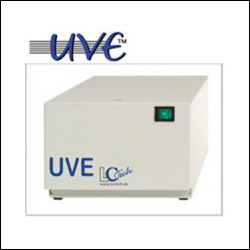

Price:
- 50
- 100
- 200
- 250
- 500
- 1000+

More Products in Food Testing Instruments Category
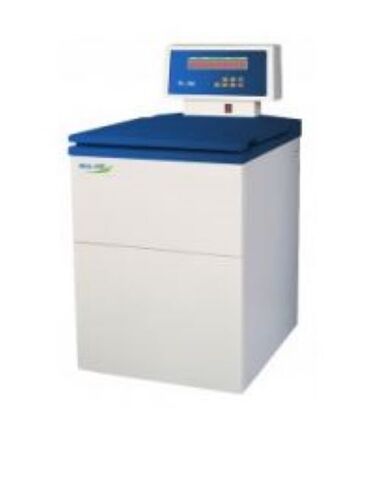
Floor Type Low Speed Centrifuges
Price 350000 INR / Number
Minimum Order Quantity : 01 Number
Power Supply : AC 220V 50/60Hz
Application : Medical, Biological, Chemical, and Industrial Laboratories
Max Height : 1150 mm
Usage : Separation of biological components
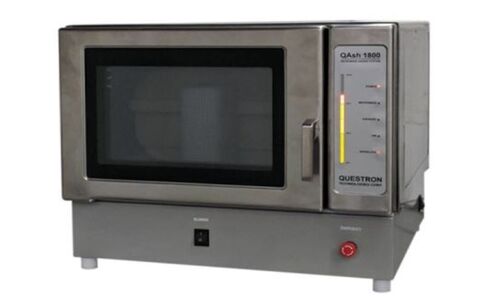
Express Microwave Ashing System-QAsh1800
Price 1000000 INR / Set
Minimum Order Quantity : 01 Set
Power Supply : 230V AC, 50/60Hz, single phase
Application : Rapid ashing of organic/inorganic samples in labs
Max Height : External: approx. 600 mm
Usage : Laboratory sample ashing
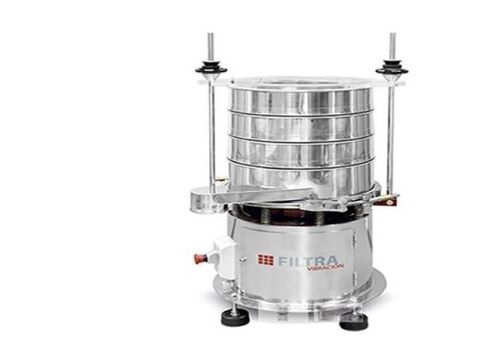
Sieve Shaker- Vulcano
Price 250000 INR / Piece
Minimum Order Quantity : 01 Piece
Power Supply : 220V AC, 50/60Hz, Single Phase
Application : Particle size analysis in laboratories
Max Height : 550 mm assembled
Usage : Granulometric analysis

Refractometer ABBE 2WAJ
Price 200000 INR / Piece
Minimum Order Quantity : 01 Piece
Power Supply : 220V AC, 50Hz
Application : Measurement of refractive index and sugar content in liquids, semiliquids, and solids
Max Height : Approx. 260 mm
Usage : Chemical labs, Food industry, Sugar factories, Academic Research

GST : 29AAGCD4887K1ZX



 Send Inquiry
Developed and Managed by Infocom Network Private Limited.


