


 Send Inquiry
TOUCH SCREEN SPECTROPHOTOMETER
Price 900000 INR/ Piece
TOUCH SCREEN SPECTROPHOTOMETER Specification
- Display Type
- 7-inch TFT Touch Screen
- Features
- Pass/Fail Analysis, Data Storage, Standalone Operation, Built-in Color Space Selection
- Operating Voltage
- 100-240V AC
- Power Supply
- AC 100-240V, 50/60Hz, 75W max
- Temperature
- Operating 5C to 40C
- Number of Specimens
- Single or Multiple Mode
- Accuracy
- E*ab < 0.04
- Interface Type
- USB, Ethernet, RS232
- Mounting Type
- Desktop
- Response Time
- < 2 Seconds
- Application
- Color Measurement, Textile, Plastics, Paint, Chemical Analysis
- Specimen Size
- Minimum 10 mm diameter
- Humidity
- Operating 0-85% RH (Non-condensing)
- Measuring Range
- 380-780 nm Spectrum
- Max Height
- Approx. 250 mm
- Resolution
- 0.01 Unit
- Frequency
- 50/60 Hz
- Automation Grade
- Automatic
- Port Size
- USB, RS232, Ethernet
- Equipment Type
- Touch Screen Spectrophotometer
- Test Range
- 0-200% Reflectance, 380-780 nm Wavelength
- Usage
- Laboratory and Industrial
- Capacity
- Up to 10,000 Test Data Storage
- Machine Weight
- 18 kg
- Test Speed
- Standard (Under 2 Seconds per Test)
- Test Width
- 8 mm (Measuring Aperture)
- Test Stroke
- Automatic Scanning
- Control Mode
- Touch Screen, Standalone or PC Software
- Dimensions
- 410 mm (L) x 210 mm (W) x 250 mm (H)
- Illumination/Observer System
- D65, A, C, F2, F6, F7, F8, F10, F11, F12 and Standard Observer (10/2)
- Color Spaces Supported
- CIE-L*a*b*, L*C*h*, Yxy, XYZ, Hunter Lab, and more
- Instrument Net Weight
- 18 kg
- Calibration Method
- Automatic/Manual Calibration with White/Black Tile
- Light Source
- LED Array
- Repeatability
- E*ab < 0.03 (when a white calibration tile is measured 30 times at 5 sec intervals)
- Data Output Format
- USB, Excel, PDF Export
- Software Support
- PC Software included for advanced analysis and print reports
TOUCH SCREEN SPECTROPHOTOMETER About
Touch Screen Spectrophotometer
Excellent optical system, high level mechanical system, advanced circuit control system, rigorous production process, friendly and intuitive software interface, good technical specifications, stable and reliable performance can meet the analysis requirements from high level and professional customers.
Advanced Color Measurement and Analysis
Engineered for precision, the Touch Screen Spectrophotometer employs a sophisticated LED array and supports a wide range of illumination/observer systems. Its ability to measure in multiple color spaces makes it ideal for complex color analysis in research and quality control. With high repeatability and automatic scanning, it streamlines processes for busy labs and production floors.
User-Friendly Interface and Connectivity
The 7-inch touch screen display offers intuitive operation, making setup and analysis straightforward for users at all levels. The spectrophotometer works independently or connects to PC software for enhanced analysis and report generation. Data management is efficient with USB, Excel, and PDF export options, complemented by built-in storage for up to 10,000 test results.
Wide Application and Robust Construction
From textile to paint to plastics and chemical analyses, this instrument excels in diverse environments. Designed with sturdy desktop mounting and a compact footprint, it fits seamlessly into laboratory and industrial workflows. Automated calibration, rapid measurements, and versatile specimen handling ensure reliable performance, while maintaining high accuracy and repeatability.
FAQ's of TOUCH SCREEN SPECTROPHOTOMETER:
Q: How does the Touch Screen Spectrophotometer ensure accurate color measurement?
A: The instrument uses a high-quality LED array illumination/observer system, supports multiple color spaces, and offers automatic/manual calibration using white and black tiles. Its advanced scanning and repeatability below E*ab 0.03 guarantee reliable, reproducible results in every test.Q: What applications is this spectrophotometer suitable for?
A: It is widely employed in color measurement for textiles, plastics, paints, and chemical analysis, making it suitable for laboratories, industrial quality control, and research settings. Its versatility extends to both single and multiple specimen testing.Q: When should calibration be performed and what methods are available?
A: Calibration can be performed automatically or manually, using white and black calibration tiles. Routine calibration ensures maximum accuracy, especially before critical measurements or when environmental changes occur.Q: Where can data from the spectrophotometer be exported or stored?
A: Test data can be stored directly on the device, with a capacity for up to 10,000 results. For further analysis or archiving, data may be exported in USB, Excel, or PDF formats, ensuring compatibility with standard lab and industrial reporting systems.Q: What is the operating process for measuring specimens?
A: Specimens with a minimum diameter of 10 mm are placed on the test aperture, and the device's automatic scanning function measures reflectance and color in less than two seconds. Results are displayed on the touch screen, with options for standalone operation or PC connectivity for advanced analysis.Q: How does standalone mode benefit users in laboratory or industrial settings?
A: Standalone operation enables immediate measurement and pass/fail analysis without requiring a computer, streamlining workflow and supporting real-time decision-making. It's particularly beneficial for high-throughput environments where efficiency is crucial.Q: What are the environmental requirements for operating the spectrophotometer?
A: The unit operates reliably within a temperature range of 5C to 40C and humidity levels from 0-85% (non-condensing), making it suitable for most laboratory and industrial environments in the United States.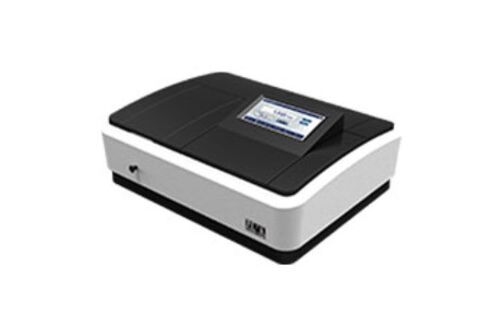

Price:
- 50
- 100
- 200
- 250
- 500
- 1000+

More Products in Research/ Institutional Instrument Category
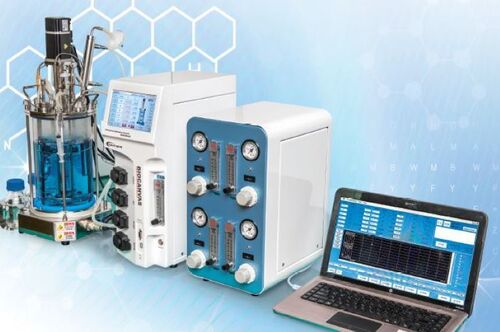
BIOREACTOR AND FERMENTOR
Price 400000 INR / Piece
Minimum Order Quantity : 01 Piece
Usage : Industrial & laboratory fermentation and cell culture
Features : Automated sterilization, temperature, pH & DO control, agitation, data logging
Power Supply : 220V AC, 50 Hz
Automation Grade : Fully Automated
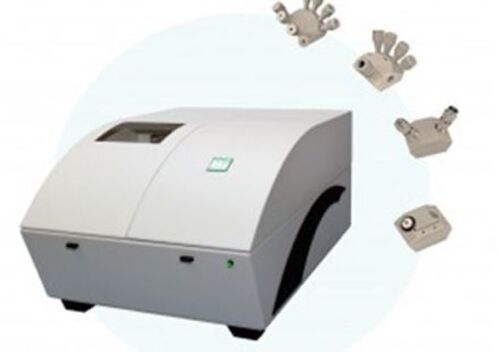
Surface Plasma Resonance SPRm 200S
Price 4500000 INR / Piece
Minimum Order Quantity : 01 Piece
Usage : Laboratory analytical measurement
Features : Realtime imaging, kinetic analysis, labelfree quantification
Power Supply : AC 100240V, 50/60 Hz
Automation Grade : Semiautomatic
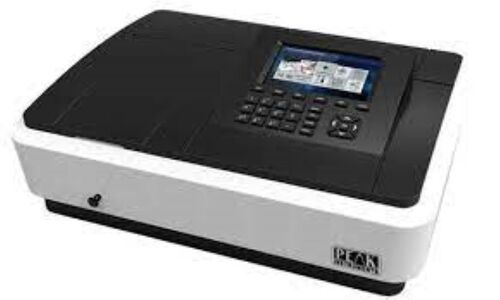
UV VIS SPECTROPHOTOMETER
Price 250000 INR / Piece
Minimum Order Quantity : 01 Piece
Usage : Laboratory, Research, Industrial
Features : Automatic wavelength setting, Data storage, Selfcalibration
Power Supply : AC 220V 10%, 50Hz
Automation Grade : SemiAutomatic
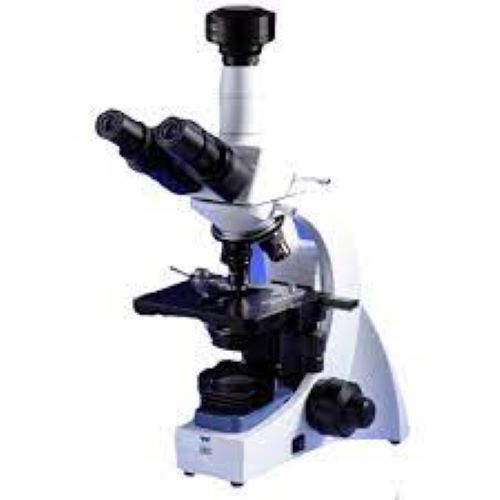
Compound Microscope
Price 100000 INR / Piece
Minimum Order Quantity : 01 Piece
Usage : Observation of biological and prepared specimens
Features : Coarse and fine focusing, rotating nosepiece, adjustable mirror
Power Supply : Not required (optical device)
Automation Grade : Manual

GST : 29AAGCD4887K1ZX



 Send Inquiry
Developed and Managed by Infocom Network Private Limited.


