


 Send Inquiry
Glovebox Systems
Price 600000 INR/ Piece
Glovebox Systems Specification
- Application
- Laboratory testing, chemical handling, sensitive material transfer
- Test Range
- Customizable as per requirement
- Response Time
- < 1 second
- Features
- Transparent window, adjustable shelves, gas purification system
- Display Type
- Digital LED
- Operating Voltage
- 220V AC
- Interface Type
- RS232; USB
- Hardness
- Medium
- Equipment Type
- Glovebox System
- Power Supply
- AC 220V / 50Hz
- Number of Specimens
- Up to 4 at a time
- Specimen Size
- Max 250mm x 350mm
- Gas Pressure
- 0.1 0.8 MPa
- Max Height
- 1500 mm
- Automation Grade
- Semi-Automatic
- Measuring Range
- 0.01 100 mbar
- Port Size
- Standard 8-inch glove ports
- Temperature
- Ambient to 60C (adjustable)
- Mounting Type
- Floor-mounted
- Resolution
- 0.01 mbar
- Frequency
- 50Hz
- Accuracy
- 0.5% F.S.
- Humidity
- 10% 80% RH (controlled)
- Usage
- Laboratory, pharmaceutical, research institutes
- Capacity
- 60 Liters
- Machine Weight
- Approx. 160 kg
- Test Speed
- Variable, up to 50 mm/s
- Test Width
- 450 mm
- Test Stroke
- 0 300 mm
- Control Mode
- Digital and Manual Control
- Shelf Material
- Stainless steel
- Safety Interlock
- Yes
- Cleaning System
- Inbuilt UV sterilization
- Window Material
- 5mm toughened glass
- Noise Level
- < 60 dB
- Working Atmosphere
- Nitrogen / Argon / Custom inert gas
- Structure Material
- 304 Stainless Steel
- Purification Unit
- Integrated HEPA and activated carbon filter
- Leak Rate
- < 0.05 vol%/hr
- Glove Material
- Hypalon or Butyl rubber
- Seal Type
- Vacuum sealing gasket
- Internal Lighting
- LED illumination
- User Access
- Front access door with interlock
Glovebox Systems About
818 Series style glove boxes are designedto be just what they are named, Basic. This is a simple enclosure that can beused for general isolation or containment work. They are very useful forisolating sensitive research materials from a hostile exterior environment.
Features
Optically clear, one piece acrylic top.
Matched die molded thermoset, bright white bottom 818 GBonly.
Coved, easy to clean corners with no hidden dark spots.
Double layered, closed cellular neoprene gasketing system.
Ambidextrous, white Hypalon gloves for superior chemical andU.V. resistance.
Adjustable vacuum gauge on transfer chamber. Four ground keycock valves for purging.
White leveling tray for transferring liquids through thetransfer chamber.
Stainless steel 0 rings for gloves.
Transparent transfer chamber 12 long by 11 diameter l.D..
Superior Material & Build Quality
Fabricated from premium 304 stainless steel and equipped with a toughened 5mm glass window, the glovebox system blends durability with optimal visibility. The floor-mounted structure and stainless-steel shelves enhance reliability and longevity for intensive lab operations.
Advanced Environmental Control
With precise regulation capabilities, this glovebox maintains temperatures from ambient to 60C, humidity between 10%-80% RH, and ensures gas purity using an integrated HEPA and activated carbon purification unit. Operators can configure the working atmosphere using nitrogen, argon, or custom inert gases to match research requirements.
Enhanced Safety & Usability
Safety interlocks secure access, while a vacuum sealing gasket minimizes leakage to below 0.05 vol%/hr. UV sterilization and noise levels below 60 dB contribute to both contaminant control and a comfortable working environment. Digital and manual controls provide versatile operation.
Flexible Testing & Monitoring
A wide range of specimen sizes (up to 250mm x 350mm) and up to four simultaneous samples are supported. Test speeds are variable up to 50 mm/s with adjustable stroke lengths to 300 mm, offering customizable test routines. The LED display and rapid response sensors ensure accurate monitoring.
FAQ's of Glovebox Systems:
Q: How does the glovebox system ensure a contamination-free environment during sensitive procedures?
A: The glovebox system uses a combination of vacuum sealing gasket, integrated HEPA and activated carbon filtration, and inbuilt UV sterilization to maintain an ultra-clean, inert environment. The controlled atmosphere-nitrogen, argon, or custom gases-further reduces contamination risk.Q: What types of laboratory applications are suitable for this glovebox system?
A: This glovebox is ideal for laboratory testing, chemical handling, sensitive material transfers, and research in pharmaceutical and scientific institutes. Its versatile configuration supports work with hazardous or moisture/air-sensitive specimens.Q: When should I use the UV sterilization cleaning feature?
A: UV sterilization can be activated before, after, or between procedures to maintain aseptic conditions, especially when changing specimen types or performing activities requiring a pathogen-free workspace. The process is quick and enhances contaminant control.Q: Where are the controls and interface ports located on the glovebox system?
A: All digital and manual controls are conveniently placed within easy reach at the front access door. Interface ports (RS232 and USB) are also accessible from the front panel for seamless device connectivity and data management.Q: What benefits does the integrated LED lighting provide during operations?
A: LED illumination offers consistent, energy-efficient lighting, improving visibility for delicate procedures and ensuring clear observation of specimens through the 5mm toughened glass window-even during extended use.Q: How does the glovebox system accommodate various specimen sizes and tests?
A: This system features adjustable shelves and a customizable test range. It supports specimens up to 250mm x 350mm and allows testing up to four samples at once. Test speed and stroke length can be modified as needed for different materials or protocols.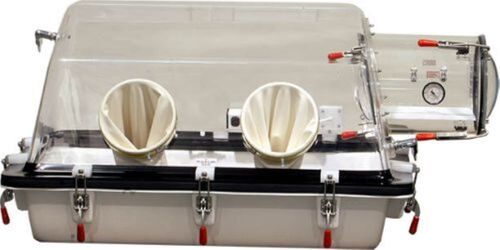

Price:
- 50
- 100
- 200
- 250
- 500
- 1000+

More Products in Pharmaceutical Testing Instruments Category

Gas Purification Systems
Price 1200000 INR / Piece
Minimum Order Quantity : 01 Piece
Usage : Gas laboratory, industrial gas system
Features : High precision purification, modular design, corrosionresistant
Control Mode : PLC/Manual
Application : Removes impurities and provides pure gases for research and industrial applications
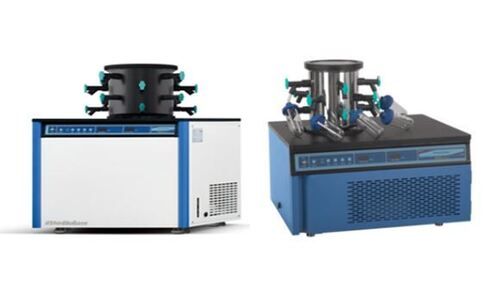
Freeze Dryer Bench Top and Floor Types
Price 950000 INR / Piece
Minimum Order Quantity : 01 Piece
Usage : Lab, Industrial
Features : Stainless Steel Chamber, Transparent Door, Portable Construction
Control Mode : Microprocessor based with LCD display
Application : Pharmaceuticals, Biological, Food Industries
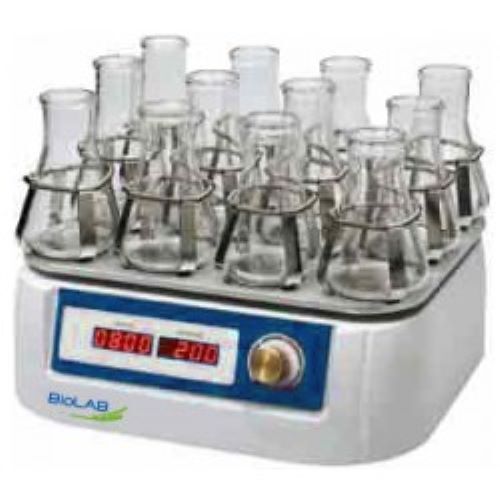
Orbital Shaker
Price 300000 INR / Piece
Minimum Order Quantity : 01 Piece
Usage : Laboratory shaking, mixing
Features : Variable speed, timer, quiet operation, antislip platform
Control Mode : Digital control with touch pad
Application : Mixing, culturing, sample preparation
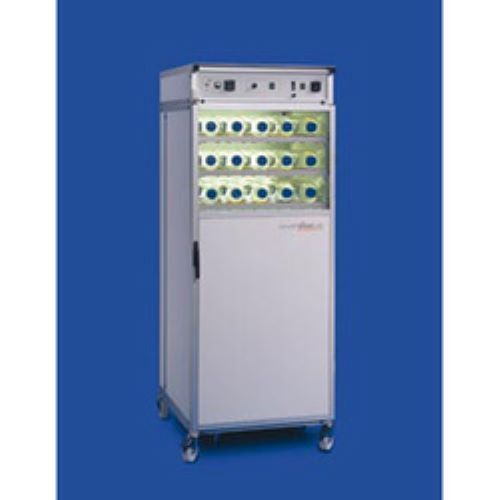
Roller bottle Incubator for rolling up to 90 bottles
Price 800000 INR / Piece
Minimum Order Quantity : 01 Piece
Usage : Continuous mixing and incubation
Features : Programmable speed and time, alarm system, temperature memory, CE certified
Control Mode : Digital Microprocessorbased
Application : Cell culture, tissue culture, vaccine production, virus cultivation

GST : 29AAGCD4887K1ZX



 Send Inquiry
Developed and Managed by Infocom Network Private Limited.


