


 Send Inquiry
Laboratory Freeze Dryer Machine
Price 450000 INR/ Piece
Laboratory Freeze Dryer Machine Specification
- Max Height
- Approx. 600 mm
- Resolution
- 0.1C
- Port Size
- 8 x 24 mm Flask Ports
- Number of Specimens
- 8 flask positions
- Interface Type
- RS232 / USB (optional)
- Temperature
- Cold Trap Temperature: -50C to -80C
- Features
- Corrosion resistant chamber, Over-temperature protection, Transparent drying chamber, Easy maintenance, Oil-free vacuum pump
- Gas Pressure
- Vacuum Pressure: 10 Pa
- Frequency
- 50 Hz
- Application
- Pharmaceuticals, Biological, Laboratory Research
- Automation Grade
- Semi-automatic
- Mounting Type
- Bench-top
- Operating Voltage
- 220V
- Power Supply
- 220V AC, 50Hz
- Accuracy
- 2C
- Specimen Size
- 0.5L to 1L per flask
- Display Type
- Digital LCD Touch Screen
- Response Time
- Instantaneous Display
- Equipment Type
- Laboratory Freeze Dryer Machine
- Usage
- Lyophilization of laboratory samples
- Capacity
- 3 to 5 Liters/Batch
- Machine Weight
- Approx. 45 kg
- Control Mode
- Microprocessor Control with LCD Display
- Shelf Material
- Stainless Steel 304
- Refrigerant Type
- Eco-friendly CFC-Free
- Defrost Method
- Manual
- Safety Protection
- Overload, Short-circuit, Over-temperature alarm
- Sample Loading Type
- Manifold flask attachment
- Vacuum Pump Type
- Oil-free rotary vane vacuum pump
- Chamber Material
- Borosilicate Glass
- Cold Trap Capacity
- 1.5 Liters
- Noise Level
- <50 dB
Laboratory Freeze Dryer Machine About
Biolab Benchtop Freeze dryer Series 100 is simple and economical means of freeze drying for stabilization of living material and preservation of fragile substances. Equipped with vacuum freeze drying technology and customizable tray spacing, this is the right product for your small scale freeze drying requirements.Condenser, control panel, shelves and trays are made of stainless steel, Low noise compressor with a long shelf life. The drying chamber is equipped with organic glass for safety and visibilityCondenser features pre-freezing function.Purpose-Built for Scientific Research
Engineered for use in pharmaceuticals, biological studies, and laboratory research, this freeze dryer combines cutting-edge vacuum technology with reliable freeze-drying performance. The machine helps preserve samples by gently extracting moisture, ensuring stability and extended shelf life for sensitive materials.
Advanced Features and User-Friendly Operation
With its stainless steel shelves, transparent borosilicate glass chamber, and intuitive microprocessor control, this freeze dryer delivers precise results. Over-temperature and overload safety alarms protect your specimens, while the eco-friendly CFC-free refrigerant aligns with modern environmental standards. Maintenance is straightforward, and the oil-free vacuum system reduces service requirements.
Flexible Sample Handling and Efficient Throughput
The manifold flask attachment design accommodates up to eight flasks simultaneously, each holding 0.5-1L, supporting batch capacities from 3 to 5 liters. The unit's quiet operation (<50 dB) and bench-top mounting make it ideal for research facilities seeking performance without sacrificing laboratory space.
FAQ's of Laboratory Freeze Dryer Machine:
Q: How does the oil-free rotary vane vacuum pump benefit the freeze-drying process?
A: The oil-free rotary vane vacuum pump provides a clean, maintenance-friendly vacuum source, ensuring contamination-free operation and reliable vacuum pressure (10 Pa). This enhances sample integrity during the lyophilization process and minimizes maintenance compared to oil-sealed systems.Q: What types of samples can be processed with this freeze dryer machine?
A: This laboratory freeze dryer is suitable for pharmaceuticals, biological specimens, and other laboratory research samples. It can handle up to eight specimens simultaneously, each in a 0.5-1L manifold flask, making it ideal for aqueous, organic, or heat-sensitive materials.Q: When should manual defrosting be performed on the machine?
A: Manual defrosting should be carried out after each freeze-drying cycle or when a significant ice buildup is noticed in the cold trap (1.5L capacity). Performing timely defrost helps maintain optimal efficiency and prolongs the lifespan of the unit.Q: Where can this freeze dryer be installed, and what are its space requirements?
A: Designed as a bench-top device, this freeze dryer can be installed in laboratories or research facilities with access to a standard 220V AC power supply. Its compact size (approx. 600 mm in height, weighing about 45 kg) allows for versatile placement in limited spaces.Q: What are the benefits of the transparent borosilicate glass chamber and stainless steel shelves?
A: The transparent borosilicate glass chamber allows users to monitor the freeze-drying process visually without opening the unit, while stainless steel 304 shelves offer excellent durability, corrosion resistance, and uniform sample support.Q: How does the microprocessor control and LCD touch screen improve laboratory workflows?
A: The integrated microprocessor and digital LCD display enable precise temperature control (accuracy 2C, resolution 0.1C) with instantaneous display of process parameters. This increases reproducibility, facilitates monitoring, and streamlines freeze-drying setup.Q: What safety protections are included with this freeze dryer machine?
A: The unit offers comprehensive safety features, including overload, short-circuit, and over-temperature alarms, ensuring secure operation and quick response in the event of an anomaly to protect both the machine and samples.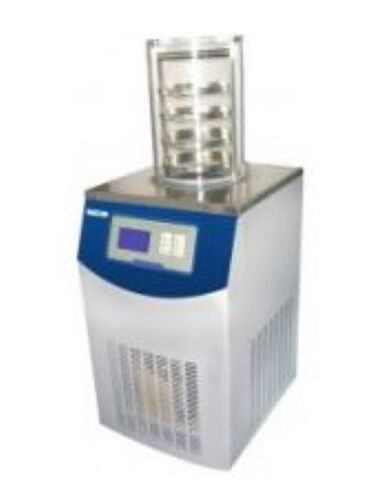

Price:
- 50
- 100
- 200
- 250
- 500
- 1000+

More Products in Pharmaceutical Testing Instruments Category
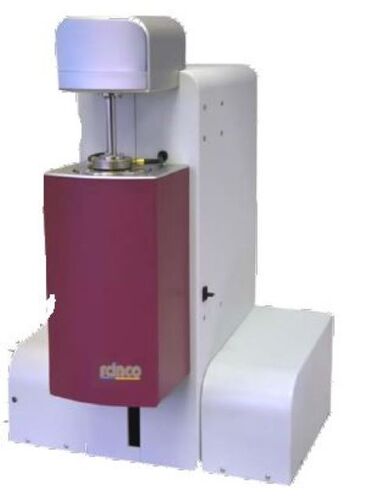
Simultaneous Thermal Analyzers
Price 2950000 INR / Piece
Minimum Order Quantity : 01 Piece
Test Speed : Adjustable, up to 20C/min
Machine Weight : Approx. 25 kg
Interface Type : USB/RS232
Temperature : Ambient to 1200C
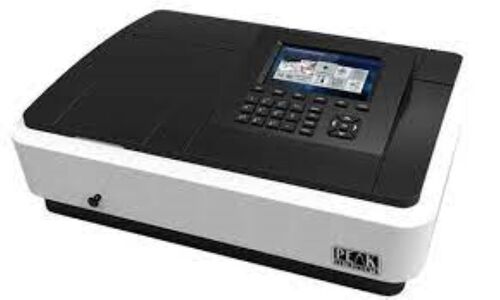
Lab UV Vis Spectrophotometer
Price 250000 INR / Piece
Minimum Order Quantity : 01 Piece
Test Speed : Manual / Programmable
Machine Weight : 18 kg
Interface Type : USB, RS232
Temperature : 10C to 40C
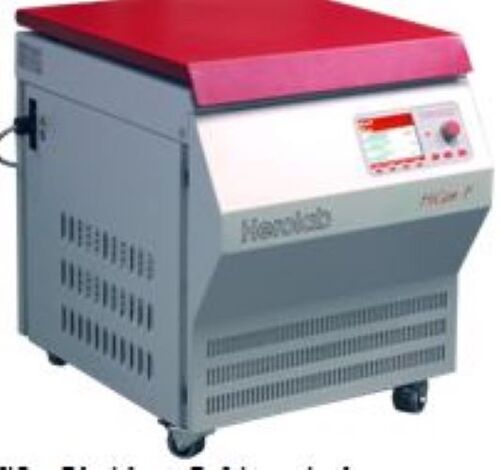
Table Top/ Floor Standing Centrifuge
Price 350000 INR / Number
Minimum Order Quantity : 01 Number
Test Speed : 500 15,000 RPM (adjustable)
Machine Weight : Approx. 40120 kg (model dependent)
Interface Type : Softtouch keypad or digital panel
Temperature : Ambient to 40C
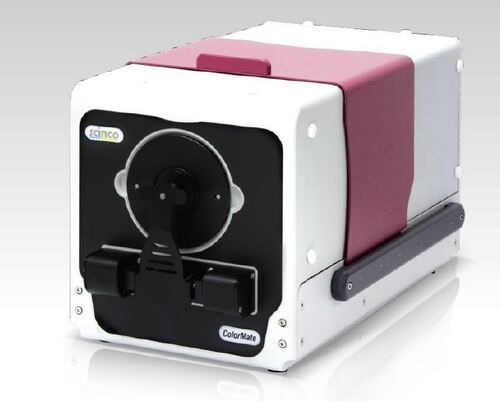
Colour Specrophotometer
Price 900000 INR / Piece
Minimum Order Quantity : 01 Piece
Test Speed : 1.5 sec per scan
Machine Weight : Approx. 600g
Interface Type : USB, Bluetooth
Temperature : 0C to 40C

GST : 29AAGCD4887K1ZX



 Send Inquiry
Developed and Managed by Infocom Network Private Limited.


