


 Send Inquiry
Latest Technology Ultrapure Water System
Price 300000 INR/ Piece
Latest Technology Ultrapure Water System Specification
- Frequency
- 50/60 Hz
- Hardness
- Adjustable via pretreatment stage
- Application
- Laboratory, Research, Pharmaceutical, Electronics
- Mounting Type
- Benchtop
- Response Time
- Instant (<10s)
- Automation Grade
- Fully Automatic
- Display Type
- Digital LCD
- Resolution
- 0.01 Mcm
- Interface Type
- RS232
- Power Supply
- 220V AC, 50Hz
- Port Size
- 1/4 inch inlet
- Equipment Type
- Ultrapure Water System
- Max Height
- 900 mm
- Measuring Range
- 0.05518.2 Mcm
- Humidity
- 1090% RH (non-condensing)
- Test Range
- Up to 18.2 Mcm resistivity
- Temperature
- 5C 40C
- Features
- Touch screen, automatic maintenance alerts, integrated pretreatment and polishing
- Accuracy
- 2%
- Operating Voltage
- 220V AC
- Usage
- Ultrapure water production
- Capacity
- Up to 15 liters/hr
- Machine Weight
- Approx. 80 kg
- Control Mode
- Microprocessor based automatic control
- Storage Tank
- Integrated, with sterile vent filter
- Filter Lifespan Indicator
- Yes, with digital alert
- Noise Level
- <50 dB
- Material of Construction
- High-grade stainless steel and medical-grade plastic
- Water Purification Stages
- Multi-stage including reverse osmosis, UV, and ultrafiltration
- TOC Level
- < 5 ppb (Total Organic Carbon)
- Recirculation System
- Built-in continuous recirculation
- Endotoxin Level
- < 0.001 EU/ml
- Compliance
- Meets ASTM Type I water standards
- Conductivity Sensor
- High precision dual-range
- Dispensing Options
- Volume-controlled and manual
Latest Technology Ultrapure Water System About
They produce Type I grade water of which the qualitysatisfies relevant regulations, such as ASTM, ISO3696, CLSI, EP, and USP. Theproduced water can be utilized for precision analysis instruments, such asHPLC, AA, ICP, LC-MS, and ICP MS, as well as in the fields of electrochemistry,TOC analysis, molecular biology, and semiconductor engineering. By utilizingmultiple (maximum 3 units) dispensers, final filters can be selected byapplication field to produce water free of particles, endotoxins (pyrogens),and heavy metals. In addition, it is possible to feed necessary quantity of water.The 4.3"-wide graphic display enables real-time identification of quality,TOC value, and PH of ultra-pure water, filter pack utilization condition, andlevel of storage tankAdvanced Multi-Stage Purification
This system employs reverse osmosis, ultraviolet sterilization, and ultrafiltration to eliminate impurities, organics, endotoxins, and particles. Integrated pretreatment and polishing stages enable consistent water quality suitable for the most demanding laboratory and research settings.
Precision Monitoring and Automatic Control
With high-precision dual-range conductivity sensors and microprocessor-based automatic controls, purity is constantly monitored. The digital touchscreen provides instant readout, maintenance alerts, and adjustable parameters for tailored operation and easy user interface.
Safe, Silent, and Reliable Operation
Using noise dampening technology, the system operates at less than 50 dB. The sterile storage tank, vent filter, and continuous recirculation safeguard water from contamination, supporting secure applications in laboratories, pharmaceuticals, and electronics.
FAQ's of Latest Technology Ultrapure Water System:
Q: How does the Ultrapure Water System achieve ASTM Type I water standards?
A: The system uses a combination of multi-stage filtration-reverse osmosis, UV sterilization, and ultrafiltration-to reduce contaminants. Integrated sensors and recirculation continuously monitor purity, ensuring TOC levels below 5 ppb and resistivity up to 18.2 Mcm, meeting ASTM Type I criteria.Q: What dispensing options are available for ultrapure water?
A: The system offers both volume-controlled dispensing for precise measurement and manual dispensing for flexible use, making it suitable for various laboratory and research workflows.Q: When should the filters be replaced in the system?
A: A digital filter lifespan indicator will display a maintenance alert when filters approach the end of their lifecycle, allowing timely replacement for continued water purity with minimal manual oversight.Q: Where can this ultrapure water system be installed?
A: It is designed for benchtop mounting within laboratory, research, pharmaceutical, or electronics environments. The system's compact footprint and integrated tank fit in spaces with access to standard 220V AC power.Q: What is the process for adjusting water hardness in the system?
A: Water hardness can be adjusted during the pretreatment stage. The system allows users to set desired hardness levels according to specific application requirements before final purification.Q: How does the recirculation system benefit water purity?
A: Continuous recirculation ensures the water remains free from static contamination and maintains ultra-low TOC and endotoxin levels, improving water quality for sensitive applications.Q: What are the main benefits of using this ultrapure water system?
A: Users benefit from instant, high-quality ultrapure water, automated maintenance alerts, precise purity monitoring, low noise operation, and robust compliance for critical scientific and industrial tasks.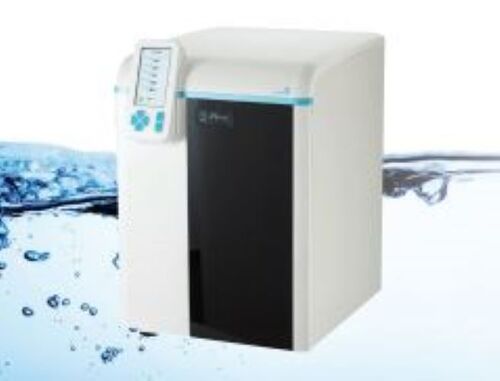

Price:
- 50
- 100
- 200
- 250
- 500
- 1000+

More Products in Pharmaceutical Testing Instruments Category
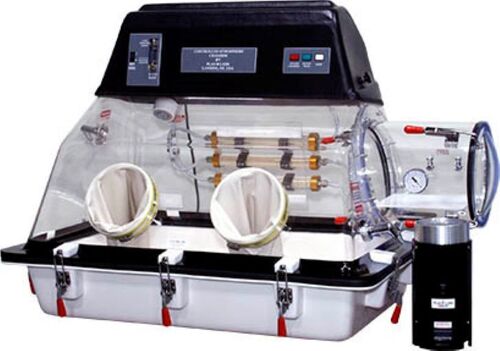
Anaerobic Chamber
Price 1100000 INR / Piece
Minimum Order Quantity : 01 Piece
Features : Glove access ports, removable front panel, internal power sockets, automatic anaerobic environment construction
Usage : Laboratory
Control Mode : Digital Microprocessor Control
Accuracy : 1% full scale
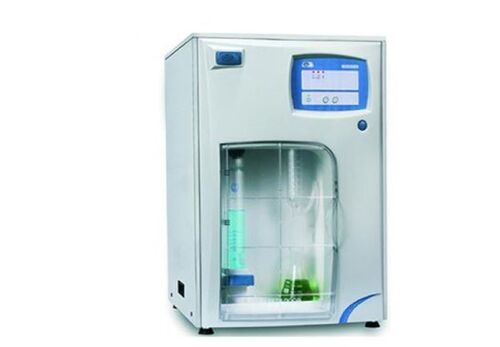
Kjeldahl Nitrogen Analyser
Price 700000 INR / Piece
Minimum Order Quantity : 01 Piece
Features : Automatic distillation, programmable temperature control, steam generator, safety features
Usage : Chemical analysis, protein determination
Control Mode : Automatic/Manual
Accuracy : 0.5% N
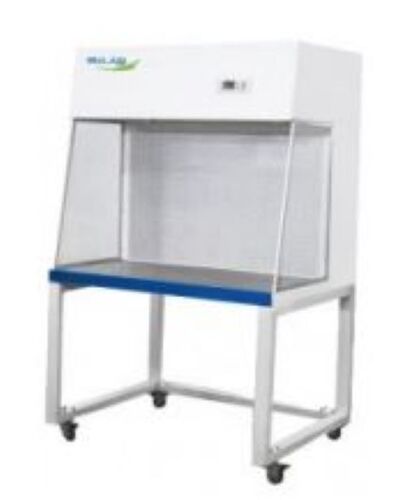
Laminar Airflow
Price 300000 INR / Piece
Minimum Order Quantity : 01 Piece
Features : HEPA Filter, UV Lamp, Fluorescent Light, Low Noise Operation, Energy Efficient, Ergonomic Design, Stainless Steel Worktable
Usage : Airborne Contamination Control, Aseptic Research, Sterile Processing
Control Mode : Microprocessor or Manual Switch
Accuracy : HEPA filter efficiency 99.97% at 0.3 micron
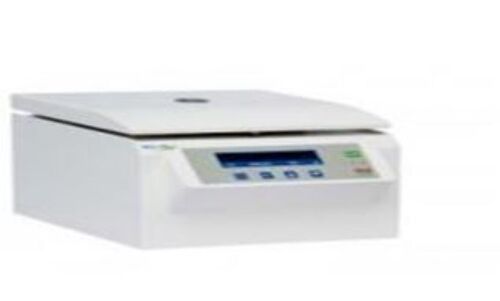
Bench Top High Speed Centrifuge
Price 350000 INR / Piece
Minimum Order Quantity : 01 Piece
Features : Brushless motor, noiseless operation, dynamic balancing, lid locking system, stainless steel chamber
Usage : Laboratory, Medical, Research
Control Mode : Digital Display with Microcontroller
Accuracy : 1% for speed

GST : 29AAGCD4887K1ZX



 Send Inquiry
Developed and Managed by Infocom Network Private Limited.


