


 Send Inquiry
Microwave Digestion System- Q Wave
Price 1360000 INR/ Number
Microwave Digestion System- Q Wave Specification
- Operating Voltage
- 220V AC, 50Hz
- Display Type
- LCD Touch Screen
- Automation Grade
- Fully Automatic
- Equipment Type
- Microwave Digestion System
- Humidity
- Up to 80% RH (non-condensing)
- Temperature
- Up to 300°C
- Port Size
- Standard, as per vessel type
- Mounting Type
- Benchtop
- Response Time
- Instant digital feedback
- Resolution
- 0.1°C
- Features
- Programmable digestion methods, automatic pressure and temperature control, safety interlock, real-time monitoring
- Max Height
- Approx. 550 mm
- Frequency
- 2.45 GHz
- Interface Type
- USB and Ethernet
- Measuring Range
- Temperature up to 300°C, Pressure up to 100 bar
- Power Supply
- 220V AC, 50Hz
- Number of Specimens
- Up to 12 positions
- Application
- Sample preparation for elemental analysis (AAS, ICP, ICP-MS, etc.)
- Specimen Size
- Typically 50 mL per vessel
- Accuracy
- Temperature ±2°C
- Usage
- Laboratory sample digestion
- Capacity
- 12 x 50 mL
- Machine Weight
- Approx. 60 kg
- Control Mode
- Digital Touch Screen
- Data Exportability
- Direct export via USB/Ethernet
- Internal Light
- LED illumination for vessel chamber
- Operating Environment
- 5C - 40C, 10-80% RH non-condensing
- Safety Features
- Explosion-proof door, pressure and temperature sensors, automatic venting, over-temperature cutoff
- Color
- White/Blue body (as per manufacturer design)
- Material of Construction
- High-quality acid-resistant polymers and stainless steel liner
- Cooling System
- Automatic forced-air cooling
- Dimensions
- Approx. 650 mm x 650 mm x 600 mm (W x D x H).
- Memory Storage
- 100+ editable method programs
- Program Capability
- Multi-step programmable ramp and hold
- Vessel Material
- PTFE/TFM, acid and alkali-resistant
- Timer Range
- 1-99 minutes, programmable
- Standards Compliance
- CE certified, compliant with international safety and analytical regulations
Microwave Digestion System- Q Wave About
Microwave Digestion System Q-Wave
QWAVE 1000 Closed-vessel microwave decomposition offers the following benefi ts:
The environment in which the reaction takes place is clean, closed, and controlled
The amount of acid is diminished to stoichiometric quantities of the reagents, reducing contamination to a minimum
ppb, ppt level sensitivities
Shorter reaction time and improved digestion due to higher temperatures (far above the normal boiling point of the reagents)
No loss of volatile elements.
Comprehensive Safety Features
The Q Wave Microwave Digestion System prioritizes operator safety with advanced mechanisms: an explosion-proof door, pressure and temperature sensors, automatic venting, and an over-temperature cutoff. These safeguards act in unison to shield users from accidental releases, making laboratory sample digestion both safe and reliable.
High-Performance Digestion System
Offering a programmable multi-step digestion process, this system efficiently handles samples for elemental analysis. It maintains precise control of temperature (up to 300C) and pressure (up to 100 bar) with 2C accuracy. Up to 12 vessels operate simultaneously, optimizing workflow and laboratory productivity for various analytical applications.
Durable Construction for Harsh Chemistries
Engineered with acid-resistant polymers and a tough stainless steel liner, the Q Wave is built to endure aggressive reagents. Each vessel is made from PTFE/TFM, ensuring resistance against both acids and alkalis, and long-term durability even under demanding laboratory conditions.
Intuitive Operation and Data Management
The system features a digital LCD touch screen that enables method programming, real-time feedback, and direct data export via USB or Ethernet. Over 100 method programs can be stored and easily edited, supporting rigorous documentation and compliance with analytical regulations.
FAQs of Microwave Digestion System- Q Wave:
Q: How does the Q Wave ensure operator safety during digestion processes?
A: The Q Wave system is equipped with an explosion-proof door, real-time pressure and temperature sensors, automatic venting, and an over-temperature cutoff. These integrated features automatically respond to abnormal conditions, ensuring maximum safety for laboratory users during operation.Q: What are the primary applications of the Microwave Digestion System?
A: The Q Wave is primarily used for preparing samples for elemental analysis, such as Atomic Absorption Spectroscopy (AAS), Inductively Coupled Plasma (ICP), and ICP Mass Spectrometry (ICP-MS), ensuring accurate and efficient breakdown of diverse sample matrices.Q: When and where can this digestion system be operated effectively?
A: Designed for laboratory environments, the Q Wave operates best within temperatures from 5C to 40C and up to 80% relative humidity (non-condensing). Its benchtop build makes it suitable for analytical labs, research institutions, and industrial laboratories.Q: What materials are used in the construction and vessels of this system?
A: The outer body is made from high-quality, acid-resistant polymers with a stainless steel liner for structural integrity. The sample vessels are crafted from PTFE/TFM, providing exceptional resistance against both acidic and alkaline reagents.Q: How does the programmable digestion process work?
A: Users can set up to 100+ customizable digestion methods using the LCD touch screen interface. Multi-step ramp and hold programming supports complex digestion protocols, while parameters like time, temperature (up to 300C), and pressure (up to 100 bar) can be precisely controlled and monitored.Q: What are the benefits of automatic forced-air cooling and real-time digital feedback?
A: Automatic forced-air cooling reduces turnaround between runs and protects vessel integrity, enhancing workflow. Real-time digital feedback enables immediate monitoring of temperature and pressure, ensuring process control and reproducibility in results.Q: How is data managed and exported from the Q Wave system?
A: Data generated from each digestion run can be stored in onboard memory for over 100 method programs and exported directly via USB or Ethernet interface, streamlining data management and facilitating compliance with regulatory and reporting requirements.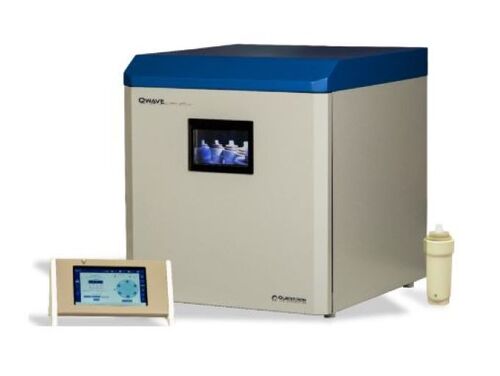

Price:
- 50
- 100
- 200
- 250
- 500
- 1000+

More Products in Environmental Instruments Category
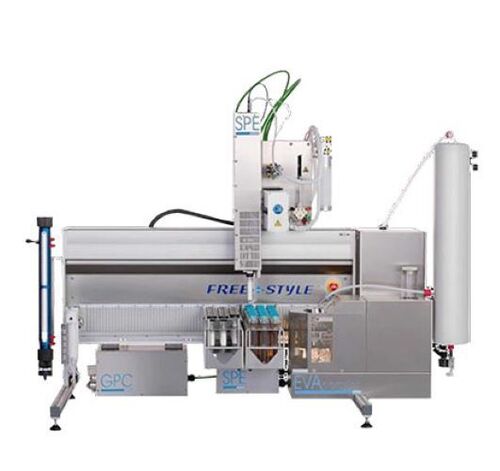
Automated GPC/SPE- Freestyle
Price 3500000 INR / Piece
Minimum Order Quantity : 01 Piece
Automation Grade : Fully Automatic
Control Mode : Fully Automated (Touchscreen/PC Control)
Usage : Automated Sample Preparation
Features : Automated workflow, barcode recognition, solvent selection, programmable protocols, modular design
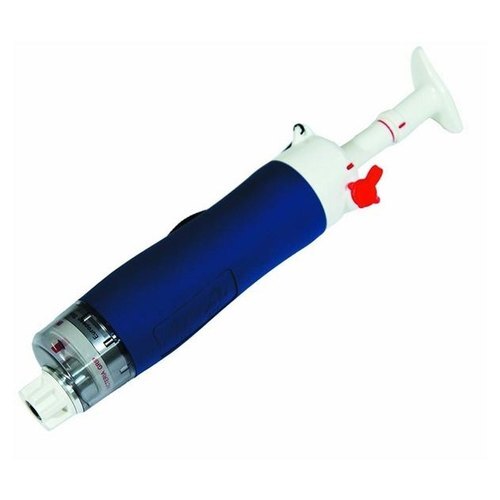
Air Sampling Pump
Price 38000 INR / Piece
Minimum Order Quantity : 01 Piece
Automation Grade : Semiautomatic
Control Mode : Manual and Automatic
Usage : Personal and area air sampling
Features : Portable, lightweight, rechargeable, flow control
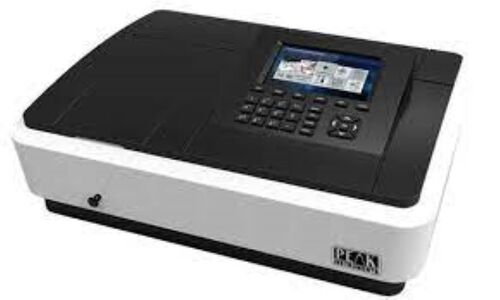
UV-VIS Spectrophotometers
Price 250000 INR / Piece
Minimum Order Quantity : 01 Piece
Automation Grade : SemiAutomatic
Control Mode : Automatic & Manual Control
Usage : Absorption & Transmission Analysis
Features : Data Storage, USB Export, MultiWavelength Measurement, PC Compatible
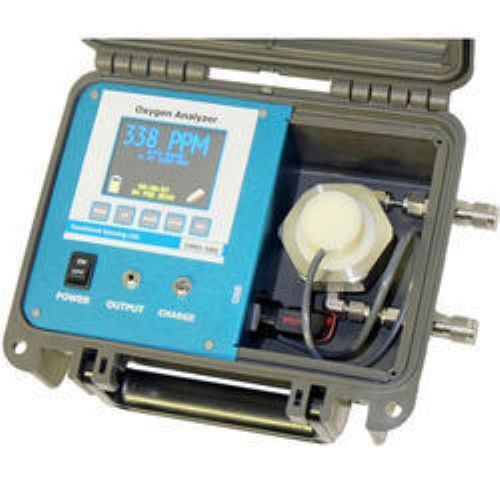
Economical Portable Oxygen Analyzer
Price 150000 INR / Piece
Minimum Order Quantity : 01 Piece
Automation Grade : Manual
Control Mode : Manual
Usage : Oxygen measurement in various industries including healthcare and laboratory
Features : Lightweight, portable, compact design, userfriendly operation

GST : 29AAGCD4887K1ZX



 Send Inquiry
Developed and Managed by Infocom Network Private Limited.


