


 Send Inquiry
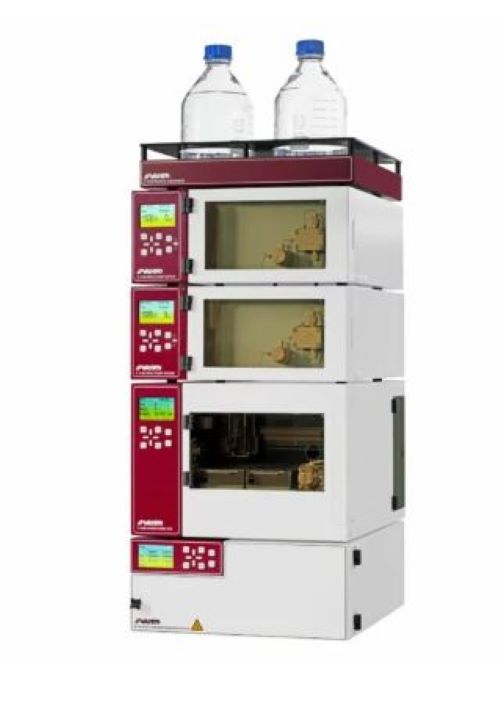
Ion Chromatography
Price 1100000 INR/ Piece
Ion Chromatography Specification
- Specimen Size
- 5 L100 L (Injection Volume)
- Port Size
- Standard 1/16 inch fittings
- Mounting Type
- Bench-top
- Test Range
- ppb to ppm (Analyte dependent)
- Interface Type
- USB, Ethernet
- Automation Grade
- Semi-Automatic or Fully Automatic (Configurable)
- Resolution
- 0.001 ppm
- Response Time
- 10 sec
- Equipment Type
- Ion Chromatography System
- Application
- Water analysis, food safety, pharmaceuticals, chemical labs
- Frequency
- 50 Hz
- Accuracy
- 1.5% RSD
- Max Height
- 480 mm
- Temperature
- 5C40C (Operation)
- Display Type
- LCD Touch Screen
- Features
- Automatic eluent preparation, intelligent alarm, built-in degassing
- Power Supply
- 220 V / 50 Hz
- Number of Specimens
- 1 (per analysis)
- Operating Voltage
- 220240 V AC
- Measuring Range
- 0.01 ppm1000 ppm
- Humidity
- 10%85% RH (non-condensing)
- Usage
- Ion concentration measurement, anion/cation identification
- Capacity
- 24-position autosampler (Optional)
- Machine Weight
- 85 kg
- Test Speed
- 0.01-20 mL/min (Pump Flow Rate)
- Test Width
- Single Channel (Standard), Double Channel (Optional)
- Test Stroke
- Up to 9999 minutes
- Control Mode
- Microprocessor Controlled
- Noise Level
- 0.02 S/cm
- Power Consumption
- 300 W
- Pump Type
- Micro plunger type, high-precision
- Dimensions
- 450 360 480 mm (W D H)
- Wavelength Range (UV Detector)
- 190900 nm (optional)
- Column Type
- PEEK, 4.6 250 mm
- Software
- Data acquisition and processing software included
- Sample Throughput
- Up to 60 samples/day
- Drift
- 0.05 S/cm/h
- Detector Type
- Conductivity Detector (with optional UV/Vis detector)
Ion Chromatography About
Different ions can be separated and examined in a sample using the separation process known as ion chromatography. Its foundation is the ion exchange concept, which calls for the selective exchange of ions between a stationary phase and a mobile phase. In ion chromatography, the sample is transported through the stationary phase by a liquid solvent, which is a column filled with ion exchange resin. The various ions in the sample interact with the stationary phase based on their charge and affinity for the resin throughout the separation process after being put into the column.
High Precision, Outstanding Accuracy
Utilizing a micro plunger type pump and microprocessor control, the system achieves an exceptional accuracy (1.5% RSD) and ultra-low drift (0.05 S/cm/h), making it suitable for trace ion analysis in even the most challenging matrices. Built-in degassing and automatic eluent preparation further enhance precision, minimizing human error.
Versatility Across Multiple Applications
Designed for water, food, pharmaceutical, and chemical analysis, this system supports measurement ranges from 0.01 ppm to 1000 ppm and resolutions as fine as 0.001 ppm. Optional dual-channel analysis and a 24-position autosampler accommodate various workflow needs, increasing sample throughput up to 60 samples per day.
Seamless Integration and Operation
Experience effortless control with the large LCD touch screen and user-friendly software for data acquisition and processing. Multiple connectivity options (USB, Ethernet) enable easy integration into laboratory environments, while automation and intelligent alarm functions help maintain stable and safe operation at all times.
FAQ's of Ion Chromatography:
Q: How does the micro plunger type pump enhance the precision of ion chromatography analysis?
A: The micro plunger type pump provides highly precise and consistent flow rates, minimizing sample variability and ensuring accurate delivery of reagent and sample solutions. This design is critical for achieving the system's low detection limits and exceptional reproducibility.Q: What types of samples and applications can this ion chromatography system handle?
A: This system is suitable for analyzing a wide range of samples such as water, food, pharmaceuticals, and chemical solutions. It is designed for the measurement of ion concentration and the identification of anions and cations, covering analytes in the ppb to ppm range.Q: When should the optional UV/Vis detector be used, and what advantage does it provide?
A: The optional UV/Vis detector, with a wavelength range of 190-900 nm, is recommended for applications where specific ions or compounds absorb ultraviolet or visible light. It improves selectivity and detection capabilities for samples containing UV-active substances.Q: Where can the ion chromatography system be installed, and what are the requirements for setup?
A: Designed for bench-top mounting, the system fits most laboratory environments. Installation requires 220-240 V AC/50 Hz power supply, non-condensing humidity (10-85% RH), and an ambient temperature between 5C to 40C. Standard 1/16 inch fittings support common laboratory plumbing.Q: What is the typical process for sample analysis with this equipment?
A: Users prepare samples and, optionally, load them into the 24-position autosampler. Precise injection volumes (5-100 L) are delivered to the column using the micro plunger pump, where separate ions are detected by the conductivity cell. Results are displayed and processed through the LCD interface and included software.Q: How does automation benefit routine operation and data accuracy?
A: Automation, such as automatic eluent preparation, sample loading, and built-in degassing, reduces manual handling, lowers risk of contamination, and standardizes procedures. This leads to increased throughput, improved precision, and more reliable data for regulatory or research purposes.Q: What support does the software provide for data acquisition and analysis?
A: The included software allows comprehensive data acquisition, real-time monitoring, method setup, and quantitative evaluation. It streamlines workflow, automates calculations, and enables secure data storage and network integration via USB and Ethernet interfaces.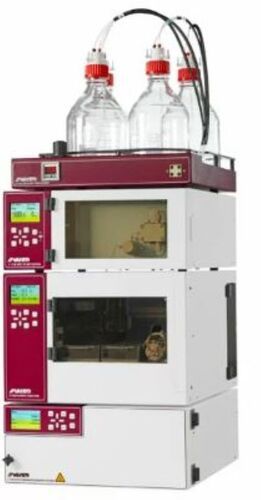

Price:
- 50
- 100
- 200
- 250
- 500
- 1000+

More Products in Environmental Instruments Category
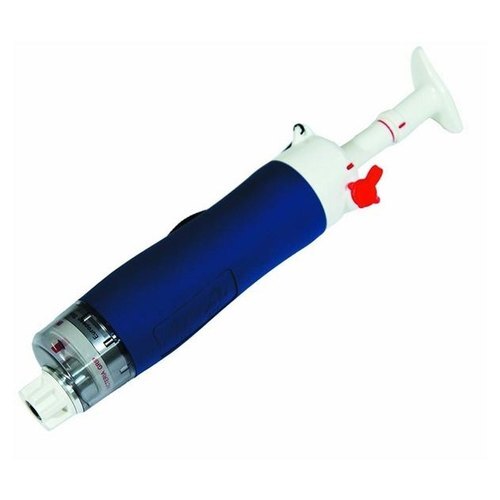
Air Sampling Pump
Price 38000 INR / Piece
Minimum Order Quantity : 01 Piece
Humidity : 0 to 85% RH (noncondensing)
Usage : Personal and area air sampling
Operating Voltage : 220V AC / 12V DC
Power Supply : Rechargeable battery / 220V AC adapter
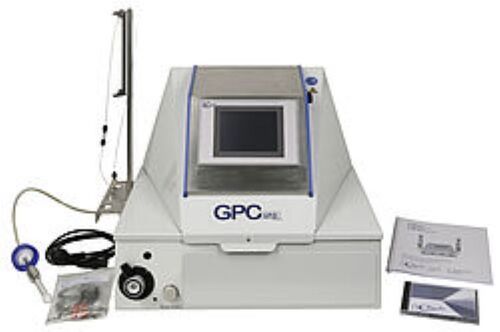
Gel Permeation Chromatography
Price 900000 INR / Piece
Minimum Order Quantity : 01 Piece
Humidity : 20 80% RH (noncondensing)
Usage : Laboratory/Analytical
Operating Voltage : 220 V
Power Supply : 220 V AC, 50 Hz
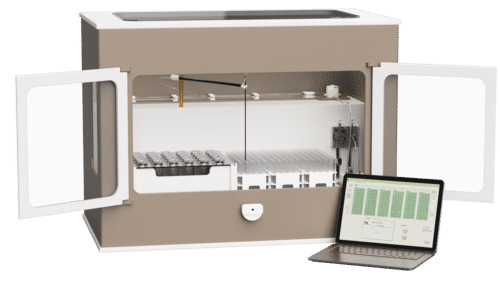
Automated Dilution System QPrep
Price 2800000 INR / Number
Minimum Order Quantity : 01 Number
Humidity : 20 80% RH, noncondensing
Usage : Automated dilution & reagent addition
Operating Voltage : 230V AC, 50Hz
Power Supply : 230 V AC 10%, 50 Hz
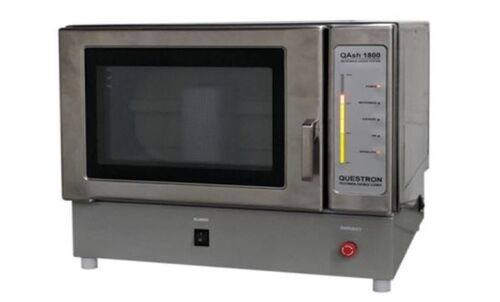
Microwave Ashing System-QAsh1800
Price 1000000 INR / Piece
Minimum Order Quantity : 01 Piece
Humidity : 80% RH (noncondensing)
Usage : Laboratory Microwave Ashing
Operating Voltage : 230V AC
Power Supply : 230V AC, 50/60 Hz

GST : 29AAGCD4887K1ZX



 Send Inquiry
Developed and Managed by Infocom Network Private Limited.


