


 Send Inquiry
VACUUM OVEN
Price 300000 INR/ Piece
VACUUM OVEN Specification
- Measuring Range
- 0250C
- Features
- Double-walled, SS304 inner chamber, safety thermostat, glass viewing window
- Power Supply
- 220 V AC, 50 Hz, single phase
- Display Type
- Digital LED Display
- Accuracy
- 1C
- Mounting Type
- Benchtop
- Interface Type
- Manual and digital controls
- Temperature
- Ambient to 250C
- Port Size
- Standard 1/2 vacuum port
- Response Time
- Immediate an indication (depends on system)
- Number of Specimens
- Varies on racks; typically 35 trays
- Gas Pressure
- Up to 760 mm Hg
- Max Height
- Approx. 450 mm
- Frequency
- 50 Hz
- Resolution
- 0.1C
- Specimen Size
- Depends on shelf size; e.g., 300 mm x 300 mm
- Operating Voltage
- 220240 V
- Application
- Heat treatment, drying, curing, and testing under vacuum
- Equipment Type
- Vacuum Oven
- Automation Grade
- Semi-automatic
- Usage
- Laboratory, research, and industrial testing
- Capacity
- 50 liters
- Machine Weight
- Approx. 60 kg
- Control Mode
- Digital PID Temperature Controller
- Door Gasket
- Silicone rubber gasket for airtight seal
- Chamber Dimensions
- Approx. 300 mm x 300 mm x 300 mm (may vary by model)
- Heating Method
- Uniform, indirect heating
- Chamber Material
- Stainless Steel (Inner), Mild Steel (Outer)
- Vacuum Gauge
- Provided, 0760 mm Hg
- Insulation
- Glass wool insulation for minimized heat loss
- Shelf Material/Type
- Removable stainless steel trays
- Interior Finish
- Polished stainless steel
- Safety Features
- Over-temperature protection
- Vacuum Pump Requirement
- External (not included)
- Heater Position
- Surrounding chamber
- Door Type
- Tight sealing with toughened glass window
- Temperature Uniformity
- 2C at 100C
VACUUM OVEN About
Vacuum Oven
Digital electronic control of temperature, vacuum pressure and pre selected programmable timer.Temperature sensor Pt100
Automatic air inlet at the end of the operation cycle.
Heating element placed evenly around the chamber.
Chamber made of AISI 304 stainless steel.
Trays made of anodised aluminium.
Door with hardened glass window, which sits on to a silicon gasket that absorbs any contractions and expansions that may occur.
Precision and Efficiency for Laboratory Needs
The vacuum oven delivers dependable and consistent heating for a range of applications, including heat treatment, drying, curing, and material testing under vacuum conditions. Its uniform surrounding heating ensures rapid and even temperature distribution, minimizing sample variability and optimizing processing outcomes.
Flexible and Safe Operation
Engineered with a polished stainless steel chamber and glass wool insulation, the oven minimizes heat loss while providing ample safety through features like a silicone rubber gasket and over-temperature protection. The removable trays and toughened glass window allow for easy customization and safe, real-time observation of specimens.
FAQ's of VACUUM OVEN:
Q: How do I operate the vacuum oven safely during heat treatment or drying processes?
A: To operate safely, ensure the oven is connected to the appropriate 220-240 V power source and an external vacuum pump. Monitor parameters using the digital PID controller and check the vacuum gauge to maintain desired pressure (up to 760 mm Hg). Over-temperature protection and insulated construction help prevent accidents, while the tight-sealing door and silicone gasket maintain an airtight environment.Q: What types of specimens can be placed inside the vacuum oven and how many trays can it hold?
A: The removable stainless steel trays accommodate specimens up to 300 mm x 300 mm each. Typically, 3-5 trays fit within the 50-liter chamber, allowing for flexible arrangement depending on tray size and specimen requirements. This makes it ideal for laboratory, research, and industrial samples.Q: When should I use the vacuum oven compared to conventional ovens?
A: Use the vacuum oven when your process requires controlled heating under reduced pressure, as in sensitive material drying, heat-treating, curing, or vacuum testing. The vacuum environment minimizes oxidation and moisture content, which conventional ovens cannot achieve.Q: Where is this vacuum oven best installed, and what are its mounting requirements?
A: The vacuum oven is designed for benchtop installation in laboratories, research centers, or industrial test areas. Ensure the workspace provides access to power (220-240 V AC), an external vacuum pump, and safe ventilation. The oven weighs approximately 60 kg, so stable, level surfaces are recommended.Q: What benefits does glass wool insulation provide compared to other forms of insulation?
A: Glass wool insulation significantly reduces heat loss, leading to greater temperature uniformity and energy efficiency. Its fire-resistant properties enhance operational safety, while maintaining stable thermal conditions within the chamber even during prolonged use.Q: How does the digital PID temperature controller enhance user experience?
A: The digital PID controller offers precise temperature regulation (1C accuracy, 0.1C resolution) with immediate response on a clear LED display. This allows efficient monitoring and adjustment, ensuring reproducible results and reduced risk of temperature fluctuations during sensitive procedures.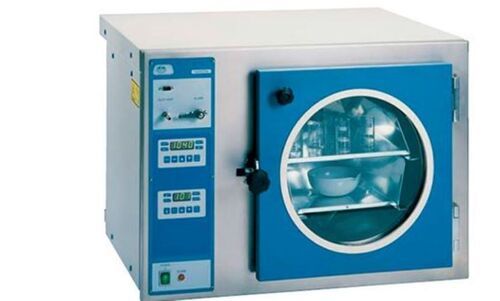

Price:
- 50
- 100
- 200
- 250
- 500
- 1000+

More Products in Research/ Institutional Instrument Category
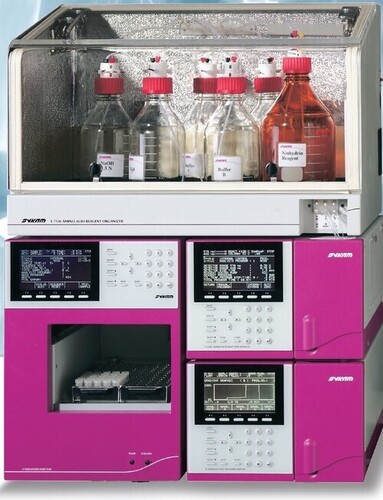
AMINO ACID ANALYZER
Price 3800000 INR / Piece
Minimum Order Quantity : 01 Piece
Usage : Quantitative amino acid analysis (pharmaceutical, food, clinical, etc.)
Application : Amino acid identification, composition, and concentration analysis
Mounting Type : Benchtop
Power Supply : 220V AC, 50/60 Hz
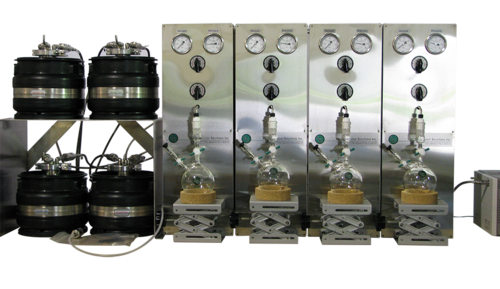
Solvent Purification Systems
Price 500000 INR / Piece
Minimum Order Quantity : 01 Piece
Usage : Labgrade solvent purification and dispensing
Application : Removal of water/oxygen from organic solvents for laboratory use
Mounting Type : Floor standing, heavyduty castors
Power Supply : 220240V AC, 50/60Hz
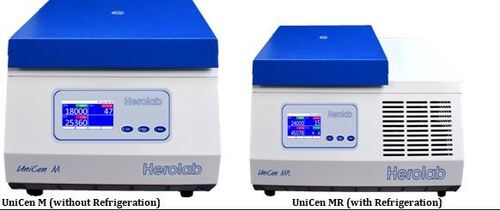
Universal High-Speed Centrifuge
Price 350000 INR / Piece
Minimum Order Quantity : 01 Piece
Usage : Highspeed sample separation
Application : Clinical, research, industrial separation of biological and chemical samples
Mounting Type : Tabletop
Power Supply : 220V AC, 50 Hz
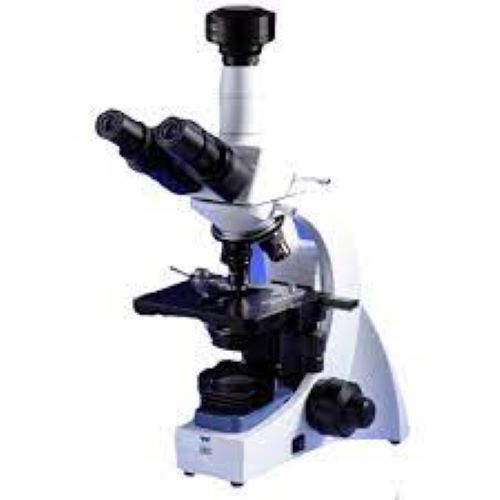
Compound Microscope
Price 100000 INR / Piece
Minimum Order Quantity : 01 Piece
Usage : Observation of biological and prepared specimens
Application : Biological, Laboratory, Educational, Clinical Research
Mounting Type : Tabletop
Power Supply : Not required (optical device)

GST : 29AAGCD4887K1ZX



 Send Inquiry
Developed and Managed by Infocom Network Private Limited.


