


 Send Inquiry
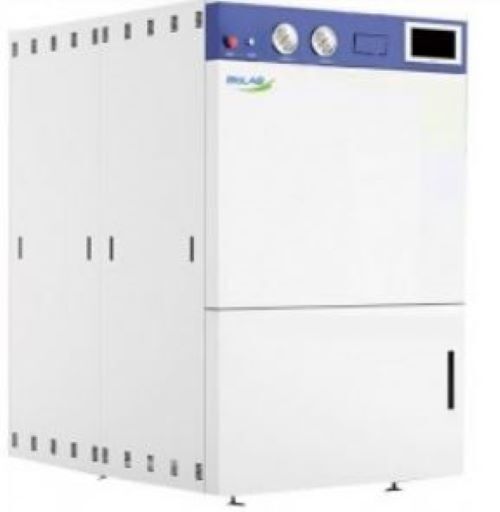
Autoclave -Verticle / Horizontal Autoclave
Price 200000 INR/ Unit
Autoclave -Verticle / Horizontal Autoclave Specification
- Mounting Type
- Floor standing
- Operating Voltage
- 220-240V AC single phase
- Automation Grade
- Semi-automatic / Fully automatic
- Humidity
- 95% RH (max during operation)
- Temperature
- 121C to 134C operating range
- Display Type
- Digital/Analog (Model dependent)
- Frequency
- 50/60 Hz
- Equipment Type
- Vertical/Horizontal Autoclave
- Max Height
- Up to 48 inches (depends on model)
- Features
- Double safety lock, automatic cut-off, digital display, pressure gauge, safety valve, pressure regulation, automatic water level cut-off
- Response Time
- Immediate steam response after activation
- Interface Type
- Basic control panel/Touch screen (model-wise)
- Power Supply
- 220V-240V AC, 50/60 Hz
- Application
- Sterilization of laboratory instruments, medical tools, glassware, and media preparation
- Port Size
- Standard / Customizable (1 - 2.5 Inlet & Outlet)
- Accuracy
- 1C
- Usage
- Medical, pharmaceutical, laboratory, microbiology, hospital use
- Capacity
- 35, 50, 78, 100, 150, 200 Litres (varies as per model)
- Machine Weight
- Approx. 65-150 kg depending on size and model (Vertical/Horizontal)
- Control Mode
- Automatic & Manual options available
- Drainage System
- Provided with drain valve
- Heating Element
- Nickel/Chromium Plated Heater
- Inner Chamber Finish
- Polished Stainless Steel
- Sterilization Cycle
- Adjustable (manual or programmable, as per model)
- Insulation Type
- Double/Triple walled, glass wool insulation
- Chamber Material
- Stainless Steel (SS-304/SS-316)
- Operating Environment
- Indoor, dry, ventilated area
- Lid Type
- Bakelite Handle, Radial Locking or Hinged (depends on model)
- Overall Dimensions
- Depends on chamber size, e.g., 400mm x 600mm (D x H) for 50 L
- Gasket Material
- Silicone or Neoprene Rubber (as per application)
- Timer Range
- 0-60 minutes or 0-999 minutes
- Safety Features
- Automatic power cut-off, Pressure release valve, Low water cut-off
- Power Consumption
- 2 KW to 6 KW (depending on size and model)
- Pressure Range
- 15-22 psi (1.05-1.5 kg/cm2)
Autoclave -Verticle / Horizontal Autoclave About
Autoclave
Autoclaves for general purpose sterilization applications. Features are designed specifically for lab based sterilizations used in research laboratories, pharmaceuticals, microbiology labs, food and chemical industries. High performance, reliable results and a longer life makes it an ideal choice.
Precision Sterilization & Robust Safety Features
Engineered for the demands of medical, microbiology, and laboratory environments, these autoclaves prioritize both user and sample safety. Double safety locks, automatic power cut-off, and effective pressure regulation deliver peace of mind during each sterilization cycle. The inclusion of silicone or neoprene gaskets and glass wool insulation maximizes operational efficiency and ensures reliable sealing under all pressure settings.
Versatile Application & User-Friendly Controls
Designed to suit a diverse range of sterilization needs, these autoclaves accommodate glassware, surgical tools, and laboratory media. Options for basic control panels or touch-screen interfaces, digital or analog displays, and both manual and programmable settings allow you to tailor the process according to workload or compliance requirements. Floor-standing construction and customizable port options fit a range of installation environments.
FAQs of Autoclave -Verticle / Horizontal Autoclave:
Q: How do I select between a vertical and horizontal autoclave for my application?
A: Choosing between vertical and horizontal autoclaves depends on the types of items you intend to sterilize and available space. Vertical autoclaves are ideal for laboratories with limited space and are well-suited for glassware and small instruments, while horizontal models are preferred for bulkier medical tools or higher throughput environments.Q: What safety features are built into these autoclaves to prevent accidents?
A: Each autoclave is outfitted with a double safety lock system, automatic power cut-off, pressure release valve, low water cut-off mechanism, and automatic water level detection. These features collectively minimize the risk of overheating, excessive pressure, or dry heating, ensuring operator and equipment safety during every cycle.Q: When should I utilize the programmable sterilization cycle versus the manual option?
A: Programmable cycles are advantageous for routine, reproducible sterilization tasks or when strict compliance is required, as settings can be pre-set for precise time and temperature. Manual cycles offer more flexibility for custom requirements or non-standard loads, giving you direct control over each stage of the process.Q: Where should I install and operate my autoclave for optimal performance and lifespan?
A: For best results, install the autoclave indoors in a dry, well-ventilated environment with easy access to power supply and drainage. Proper placement ensures efficient operation, reduces the risk of electrical or moisture damage, and helps maintain hygiene standards in your workspace.Q: What is the typical process for using these autoclaves for sterilization?
A: Begin by loading instruments or glassware, ensuring the chamber is not overloaded. Set the desired temperature (121C134C) and select the sterilization time (0-60 or 0-999 min, as per the model). The autoclave automatically manages pressure and temperature. After the cycle, the pressure release valve and drainage system ensure safe unloading.Q: How does the stainless steel chamber benefit the sterilization process?
A: The inner chamber, constructed from SS-304 or SS-316 stainless steel, provides superior corrosion resistance and a polished finish for easy cleaning. This maintains hygienic conditions, prevents contamination, and ensures a long operational lifespan for frequent sterilization cycles.Q: What advantages do digital or touch screen interfaces offer over analog controls?
A: Digital and touch screen control panels provide intuitive operation, precise monitoring, and greater programmability. They allow users to easily set and track process parameters, alert operators to safety issues, and enhance both accuracy and user experience compared to traditional analog models.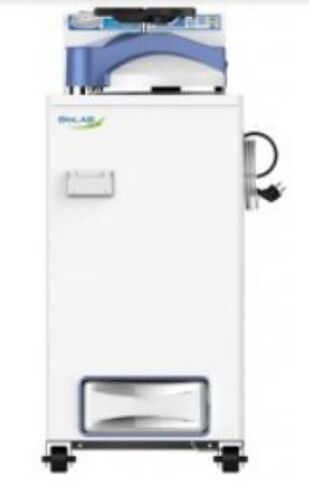

Price:
- 50
- 100
- 200
- 250
- 500
- 1000+

More Products in Food Testing Instruments Category
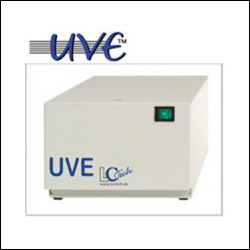
Uve Photochemical Reactor For Aflatoxin
Minimum Order Quantity : 1 Piece
Application : Aflatoxin Degradation/Detoxification
Accuracy : 2 nm wavelength
Equipment Type : UV Photochemical Reactor
Max Height : 380 mm
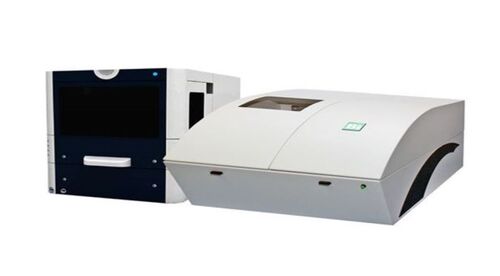
5 channel SPR with modular systems
Price 5000000 INR / Piece
Minimum Order Quantity : 01 Piece
Application : Biomolecular interaction analysis, drug screening, immunodiagnostics
Accuracy : <2% RSD
Equipment Type : 5 Channel Surface Plasmon Resonance (SPR) Modular System
Max Height : 420 mm
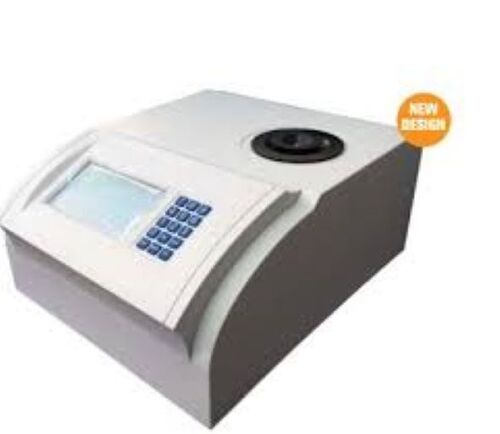
Automatic Melting Point Apparatu
Price 340000 INR / Number
Minimum Order Quantity : 01 Number
Application : Used to determine the melting point of substances
Accuracy : 0.5C
Equipment Type : Automatic Melting Point Apparatus
Max Height : Approx. 280 mm
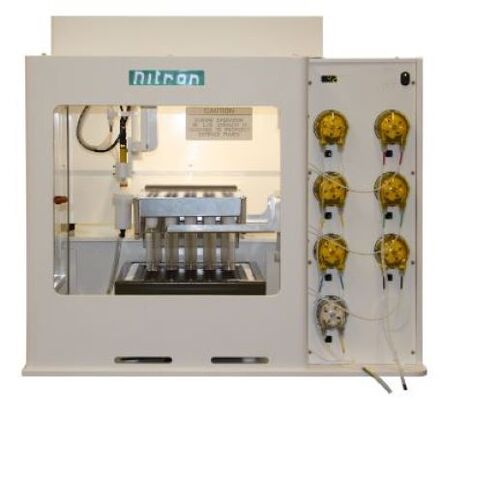
Automated Sample Digestion System- Nitron
Price 2500000 INR / Piece
Minimum Order Quantity : 01 Piece
Application : Acid digestion of samples for Kjeldahl, heavy metals, environmental, agricultural, food & pharma analysis
Accuracy : 1C temperature uniformity
Equipment Type : Automated Sample Digestion System
Max Height : 450 mm (with open hood)

GST : 29AAGCD4887K1ZX



 Send Inquiry
Developed and Managed by Infocom Network Private Limited.


