


 Send Inquiry
Automated GPC/SPE
Price 3500000 INR/ Piece
Automated GPC/SPE Specification
- Port Size
- Standard 6 mm
- Equipment Type
- Automated GPC/SPE Extraction System
- Measuring Range
- 0.01 500 mg/L
- Application
- Automated Gel Permeation Chromatography (GPC) & Solid Phase Extraction (SPE) sample preparation
- Display Type
- LCD Touch Screen
- Mounting Type
- Bench-top
- Automation Grade
- Fully Automatic
- Frequency
- 50 Hz
- Operating Voltage
- AC 220V 10%, 50Hz
- Response Time
- 2 sec
- Resolution
- 0.01 mg/L
- Test Range
- 0.01 500 mg/L
- Specimen Size
- Standard SPE cartridge / customized
- Interface Type
- RS232, USB, LAN
- Accuracy
- 2%
- Power Supply
- AC 220V, 50Hz
- Gas Pressure
- 0.5 0.7 MPa
- Features
- Full automation, Solvent-saving, High throughput, Easy programmable operation
- Max Height
- 520 mm
- Humidity
- 20% 80% RH (non-condensing)
- Temperature
- Room temperature 40C
- Number of Specimens
- 1 4 channels (programmable)
- Usage
- Laboratory automated extraction / sample pretreatment
- Capacity
- Up to 24 samples / batch
- Machine Weight
- 48 kg
- Test Speed
- 1 999 mm/min (programmable)
- Test Width
- 400 mm
- Test Stroke
- 150 mm
- Control Mode
- Microcomputer control / LCD touch screen
- Operating System
- Menu-driven software with method storage
- Cartridge Type
- Standard SPE cartridges (1, 3, 6 ml compatible)
- Waste Collection
- Integrated waste tray with overflow protection
- Pump Type
- Precision metering pump
- Pressure Monitoring
- Built-in digital sensor
- Cleaning Method
- Self-cleaning/Flushing program
- Compliance
- ISO, GLP, CE Marked
- Solvent Compatibility
- Wide range including acids and bases
- Washing Process
- Automated, programmable in cycles
- Material of Construction
- Chemical-resistant PTFE/SS316 components
- Alarm System
- Audio-visual fault alarm
- Safety Features
- Door interlock, emergency stop
Automated GPC/SPE About
Automated GPC/SPE refers to the employment of automated technologies to carry out both the solid-phase extraction (SPE) and gel permeation chromatography (GPC) operations in a single workflow. Based on their size, GPC is a separation technique used to analyse macromolecules like polymers, proteins, and peptides. For the extraction and purification of target analytes from complex matrices, such as biological samples and environmental samples, SPE is a sample preparation technique that is used. Automated GPC/SPE is employed in several industries, including forensic investigation, pharmaceuticals, food and beverage, and environmental analysis. It is helpful when analysing complicated samples that comprise numerous analytes with varying characteristics, such as size, polarity, and hydrophobicity.
Unmatched Automation & Throughput
Experience exceptional efficiency with fully programmable extraction cycles. This Automated GPC/SPE Extraction System processes up to 24 samples per batch, saving time and reducing manual workload in high-volume laboratories. The intuitive LCD touchscreen and microcomputer control enable easy method setup and operation.
Enhanced Safety and Compliance
Equipped with door interlocks, an emergency stop, and an audio-visual fault alarm, this system ensures uncompromising operator safety. Built to meet demanding international standards such as ISO, GLP, and CE, it guarantees both process reliability and regulatory compliance.
Wide Solvent Compatibility & Durability
With chemical-resistant PTFE and SS316 components, the system is engineered for robust operation with aggressive acids, bases, and a variety of solvents. Its integrated self-cleaning and flushing programs minimize maintenance and prolong operational life, ensuring consistent results batch after batch.
FAQs of Automated GPC/SPE:
Q: How does the automated GPC/SPE system benefit my laboratory workflow?
A: This system combines high throughput, full automation, and solvent-saving features, enabling the processing of up to 24 samples per batch. It enhances sample preparation consistency, minimises manual handling, and allows programmable methods through its intuitive LCD touchscreen, significantly streamlining laboratory operations.Q: What solvents are compatible with the extraction system?
A: The system accommodates a wide range of solvents, including strong acids and bases. Its PTFE/SS316 construction ensures outstanding chemical resistance for rugged laboratory use, supporting diverse analytical applications without compatibility concerns.Q: When should the self-cleaning program be used?
A: The self-cleaning or flushing program, which is fully automated and programmable, should be activated after each extraction cycle or when switching between solvents and sample types. This prevents cross-contamination and maintains optimal system performance.Q: Where is the equipment most effectively installed?
A: As a bench-top unit with integrated safety and waste management features, it is ideal for analytical, environmental, pharmaceutical, and food laboratoriesespecially those requiring automated sample preparation with high accuracy and throughput.Q: What is the process for programming and operating extraction cycles?
A: Through its menu-driven software and LCD touchscreen, users can easily select and store predefined or customized methods. The system allows setting test speed, width, stroke, and pressure monitoring for each sample batch, ensuring precise and reproducible extractions.Q: How does the system ensure user safety during operation?
A: Safety is maintained through features like a door interlock, emergency stop button, integrated overflow-proof waste tray, and real-time audio-visual alarms that notify users of faults or operational hazards.Q: What are the main benefits of using a precision metering pump in this system?
A: The precision metering pump delivers accurate solvent dosing and sample flow rates, directly enhancing the reproducibility of extractions and achieving high measurement accuracy (2%) across the test range of 0.01500 mg/L.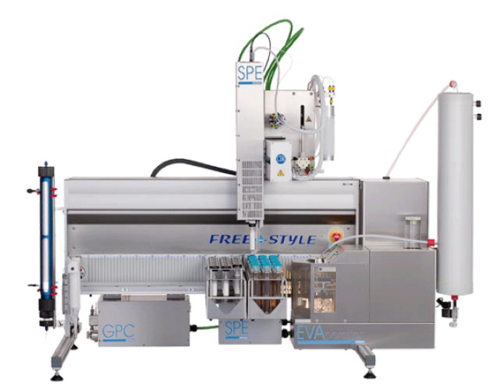

Price:
- 50
- 100
- 200
- 250
- 500
- 1000+

More Products in Food Testing Instruments Category
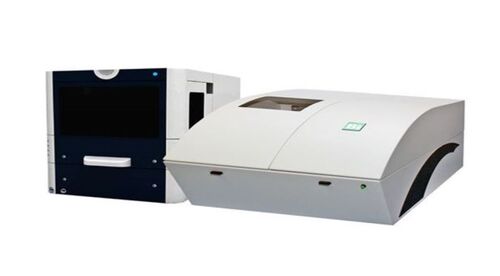
5 channel SPR with modular systems
Price 5000000 INR / Piece
Minimum Order Quantity : 01 Piece
Automation Grade : Automatic
Usage : Research laboratories, universities, pharmaceutical R&D
Equipment Type : 5 Channel Surface Plasmon Resonance (SPR) Modular System
Application : Biomolecular interaction analysis, drug screening, immunodiagnostics
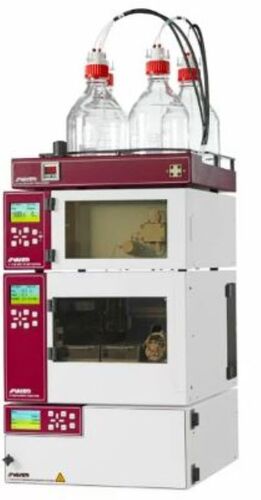
Ion Chromatography Systems
Price 1100000 INR / Set
Minimum Order Quantity : 01 Set
Automation Grade : Fully Automatic
Usage : Laboratory analytical instrument
Equipment Type : Ion Chromatography System
Application : Water, food, pharmaceutical, environment and chemical ion analysis
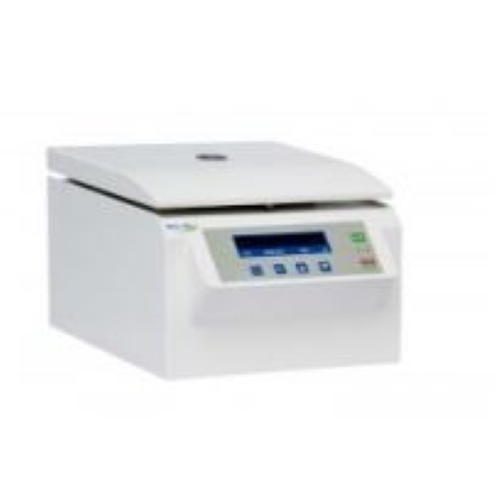
Bench Top High Speed Centrifuges
Price 350000 INR / Number
Minimum Order Quantity : 01 Number
Automation Grade : Automatic
Usage : Laboratory, Clinical, Research
Equipment Type : Bench Top High Speed Centrifuge
Application : Laboratory Separation, Research, Diagnostics
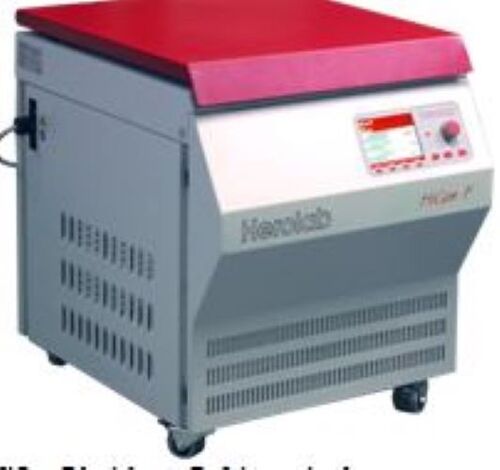
High-Speed Table Top and Floor Standing Centrifuge
Price 350000 INR / Piece
Minimum Order Quantity : 01 Piece
Automation Grade : Semiautomatic / Automatic
Usage : Centrifugation of liquids (clinical, industrial, research)
Equipment Type : Table Top and Floor Standing HighSpeed Centrifuge
Application : Separation, Sedimentation, Laboratory, Blood banks, Research

GST : 29AAGCD4887K1ZX



 Send Inquiry
Developed and Managed by Infocom Network Private Limited.


