


 Send Inquiry
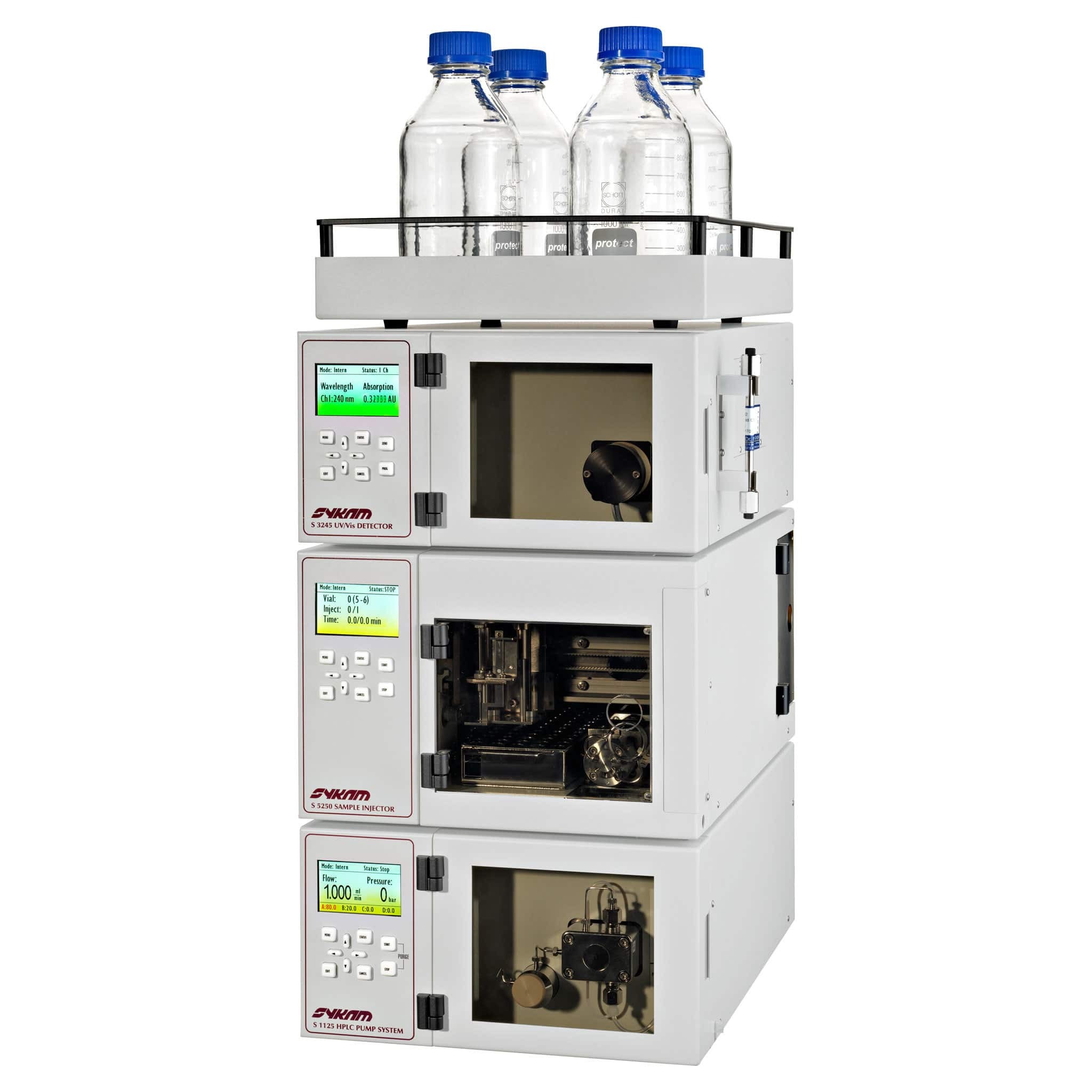
High Performance Liquid Chromatography (HPLC) SYSTEMS
Price 1000000.00 INR/ Set
High Performance Liquid Chromatography (HPLC) SYSTEMS Specification
- Resolution
- 0.01 mL/min (Pump)
- Number of Specimens
- Up to 120 samples (with autosampler)
- Max Height
- Approx. 700 mm
- Features
- Auto sample injection, Gradient Elution, Data acquisition software, Real-time results
- Test Range
- 0.001 to 100 ml/min (Pump Flow Rate)
- Interface Type
- RS232 / USB / Ethernet
- Accuracy
- 0.1% of set value
- Temperature
- Ambient, with optional Column Oven 10C to 60C
- Power Supply
- 220V, 50/60Hz AC
- Port Size
- 1/8 or 1/16 (typical)
- Specimen Size
- 2-5 mL typical
- Operating Voltage
- 220V AC 10%, 50/60 Hz
- Response Time
- <1 second
- Application
- Pharmaceutical, Analytical, Environmental, Food & Beverage Testing
- Equipment Type
- High Performance Liquid Chromatography (HPLC) System
- Mounting Type
- Benchtop
- Automation Grade
- Semi-automatic / Fully automatic
- Humidity
- 20-85% RH, Non-condensing
- Measuring Range
- 0.1 ppm to 1000 ppm (Detector)
- Frequency
- 50/60 Hz
- Display Type
- LCD / Graphical Display
- Usage
- Separation and Quantification of Liquid Samples
- Capacity
- Single or dual channel configuration
- Machine Weight
- Approx. 45-55 kg
- Test Speed
- Variable, up to 5 mL/min
- Test Width
- Up to 250 mm
- Test Stroke
- Standard 300 mm
- Control Mode
- Microprocessor / Computer Controlled
- Flow Accuracy
- 1%
- Maintenance
- Tool-free pump head and seals replacement
- Autosampler Capacity
- Optional, up to 120 vials
- Wavelength Range (UV Detector)
- 190700 nm
- Injection Volume
- 1 - 100 L programmable
- Pump Pressure Rating
- Up to 6000 psi (400 bar)
- System Suitability
- Complies with GLP/GMP
- Column Compatibility
- All standard HPLC columns (C18, C8, etc.)
- Detector Type
- UV/VIS, PDA, Refractive Index, Fluorescence, etc.
- Drift
- <1 x 10 AU/hour
- Operating Software
- Windows-based with 21 CFR Part 11 Compliance
- Data Storage
- Internal & USB export
- Noise Level
- <10 AU (UV Detector)
High Performance Liquid Chromatography (HPLC) SYSTEMS About
Using high performance liquid chromatography (HPLC) systems, it is possible to separate, recognise, and quantify the constituent parts of complicated mixtures. A mobile phase, stationary phase, pump, detector, and injection system are some of the parts of an HPLC system. The stationary phase, which is often a solid or liquid substance that offers a separation mechanism, is typically a solvent or combination of solvents that transports the sample through it. The injection mechanism enters the sample into the mobile phase, which is being continuously pumped out by the pump. High performance liquid chromatography (HPLC) systems have a detector that recognises the separated components.
Precision Pump and Versatile Detector Options
Delivering up to 6000 psi (400 bar), the HPLC system's pump ensures reliable high-pressure operations and fine flow accuracy ( 1%). Integrated detectors include UV/VIS, PDA, refractive index, and fluorescence, with wavelength ranges from 190 to 700 nm for extensive analysis flexibility.
Simplified Sample Injection & Automation
The programmable autosampler injects volumes from 1 to 100 L and holds up to 120 vials (optional), enhancing throughput and reproducibility. Both single and dual channel configurations are available, supporting a wide range of specimen sizes and test speeds.
Effortless Control and Compliance
Windows-based operating software with real-time data acquisition supports 21 CFR Part 11 compliance for regulated environments. Microprocessor and computer control, combined with USB and Ethernet interfaces, provide seamless monitoring and export of results.
Reliable Maintenance and User-Friendly Design
Tool-free pump head and seal replacements make regular maintenance fast and straightforward. The compact benchtop design accommodates labs with varying space constraints while ensuring low noise (<10 AU UV), minimal drift, and stable long-term operation.
FAQ's of High Performance Liquid Chromatography (HPLC) SYSTEMS:
Q: How does the HPLC system ensure high-accuracy and reproducibility in results?
A: By utilizing precision pumps rated up to 6000 psi, advanced detectors (UV/VIS, PDA, RI, Fluorescence), and programmable injection volumes (1-100 L), the system maintains flow accuracy ( 1%) and delivers measurement accuracy of 0.1%. This ensures consistent, reproducible quantification even at trace levels (0.1 ppm to 1000 ppm).Q: What is the benefit of the 21 CFR Part 11 compliant operating software?
A: The Windows-based, 21 CFR Part 11 compliant software provides secure, traceable electronic records, audit trails, and user authorization. This makes the HPLC system suitable for regulated applications, ensuring data integrity and compliance with pharmaceutical and analytical standards.Q: When should the optional autosampler be used, and what capacity does it offer?
A: The autosampler is ideal for laboratories requiring high throughput or unattended batch analyses. It can handle up to 120 vials, allowing automated processing of multiple specimens and improving efficiency for routine and research testing.Q: Where can this HPLC system be used effectively?
A: Designed for pharmaceutical, analytical, food & beverage, and environmental testing, the HPLC system is suitable for any laboratory requiring precise liquid sample separation, quantification, and compliance with GLP/GMP standards.Q: What is the procedure for regular maintenance on the HPLC system?
A: Routine maintenance is simplified by the tool-free pump head and seals replacement feature. Users can access the pump without specialized tools, minimizing downtime and maintaining optimal system performance with quick turnaround.Q: How do the detector options support different analytical applications?
A: The system's selection-UV/VIS, PDA, refractive index, and fluorescence detectors-covers a broad spectrum of analytes. This versatility allows users to detect and quantify substances across varied sample types and concentrations using wavelength ranges of 190-700 nm.Q: What are the advantages of internal data storage and USB export?
A: Internal memory and USB export functionality enable secure storage and convenient transfer of analytical results. This ensures easy access for further analysis, reporting, and regulatory documentation, enhancing workflow efficiency.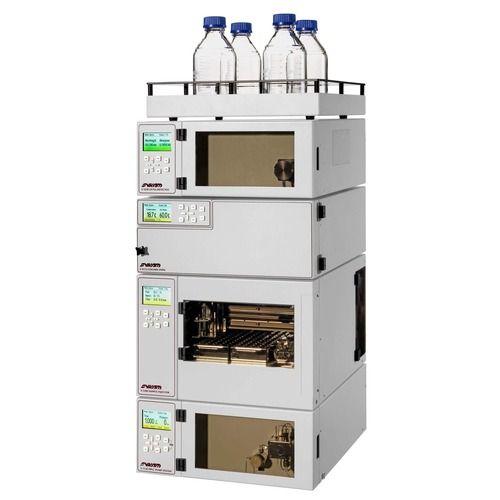

Price:
- 50
- 100
- 200
- 250
- 500
- 1000+

More Products in Food Testing Instruments Category
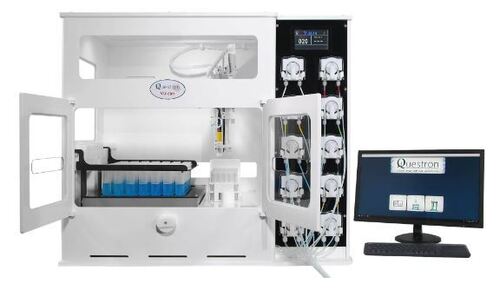
Hot Block Automated Digestion System- Vulcan
Price 2500000 INR / Piece
Minimum Order Quantity : 01 Piece
Mounting Type : Benchtop
Application : Sample Digestion (Soil, Water, Food, Waste, and Biological Samples)
Usage : Laboratory Digestion Process
Features : Preprogrammed and customizable methods, automatic reagent dispensing, exhaust system, error indication, sample tracking, data export capability
Floor Type Low Speed Centrifuges
Price 350000 INR / Number
Minimum Order Quantity : 01 Number
Mounting Type : Floor standing
Application : Medical, Biological, Chemical, and Industrial Laboratories
Usage : Separation of biological components
Features : Low noise, imbalance detection, auto lid lock, programmable memory
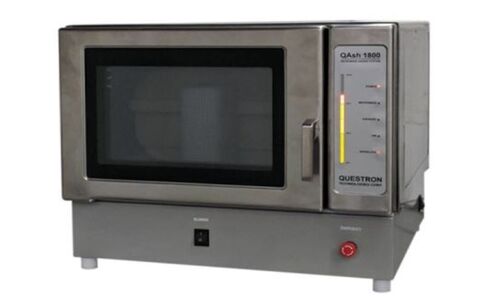
Express Microwave Ashing System-QAsh1800
Price 1000000 INR / Set
Minimum Order Quantity : 01 Set
Mounting Type : Benchtop
Application : Rapid ashing of organic/inorganic samples in labs
Usage : Laboratory sample ashing
Features : High speed ashing, programmable recipes, automatic door interlock, overload protection, inbuilt exhaust
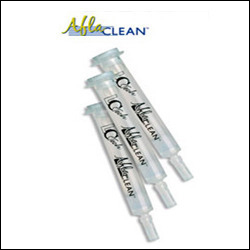
Immunoaffinity Columns for Aflatoxin
Minimum Order Quantity : 1 Piece
Mounting Type : Benchtop
Application : Aflatoxin extraction and cleanup
Usage : Laboratory sample preparation
Features : High specificity for aflatoxin, singleuse

GST : 29AAGCD4887K1ZX



 Send Inquiry
Developed and Managed by Infocom Network Private Limited.


