


 Send Inquiry
HPLC Vials White Or Amber
Price 1000 INR/ Pack
HPLC Vials White Or Amber Specification
- Features
- Leak proof, chemically inert, compatible with standard autosamplers.
- Max Height
- 32 mm (standard)
- Equipment Type
- HPLC Vial
- Automation Grade
- Manual
- Application
- Used for sample storage and analysis in HPLC, GC, and chromatography applications.
- Usage
- Laboratory, analytical, and research usage.
- Capacity
- 1.5 ml or 2 ml (standard)
- Vial Diameter
- 12 mm
- Neck Diameter
- 11 mm
- Packaging Type
- Box (100 vials per box, cap and septa separately packed or assembled)
- Reusability
- Single-use or reusable
- Sterility
- Non-sterile (can be sterilized if required)
- Vial Opening
- 11 mm screw neck or crimp top
- Transparency
- White (opaque) or Amber (light protection)
- Conformance
- Meets ISO and ASTM standards for chromatography vials
- Chemical Resistance
- Excellent (suitable for organic solvents, acids, and bases)
- Material
- Borosilicate glass
- Color
- White or Amber
- Septa Material
- PTFE/Silicone or Butyl/PTFE
- Cap Type
- Screw cap or crimp cap
HPLC Vials White Or Amber About
HPLC Vials White or Amber
All products made from borosilicate TYPE I glass tubing, the key indicators just like ID,OD, mouse, size , thread specification conform to international standard.
- The thread specification is very accurately,ensure autosampler can grasp the vials accurate and easy.
- The product manufacture and packed in cleaning room, all the packing material made from special materials,ensure non-pollution.
- The brand and marking spot we used ceramic printing process, ensure non-heavy etals like Pb, Cr etc. meet European RoHs standard . And the printing difficult be fall of, ensure keep identity for a long time.
Exceptional Chemical Resistance
Crafted from borosilicate glass, these HPLC vials withstand harsh conditions and are suitable for use with a wide range of organic solvents, acids, and bases. Their inert composition minimizes sample interaction, supporting reproducible analytical results in demanding laboratory environments.
Versatility in Design and Application
Choose between white or amber vials for optimal sample protection. Their compatibility with screw or crimp caps, coupled with various septa materials, provides flexibility for manual laboratory workflows. Designed to fit standard autosamplers, these vials streamline storage and analysis processes in chromatography.
Certified Quality and Reliability
Meeting stringent ISO and ASTM standards, these vials deliver confidence in both single-use and reusable scenarios. Leak-proof and robust, they facilitate efficient distribution and supply for laboratories, research facilities, and analytical work across Germany and beyond.
FAQ's of HPLC Vials White Or Amber:
Q: How do I select between white and amber HPLC vials for my laboratory analysis?
A: White (opaque) vials are ideal for samples that do not require light protection, while amber vials provide enhanced protection against UV and visible light exposure, safeguarding light-sensitive substances during storage and analysis.Q: What cleaning and sterilization procedures are recommended for non-sterile HPLC vials?
A: While supplied non-sterile, HPLC vials can be sterilized prior to use by standard autoclaving or chemical sanitization methods, based on your laboratory's protocols and sample requirements. Always ensure compatibility between your cleaning agents and borosilicate glass.Q: When should I choose screw caps versus crimp caps for HPLC vials?
A: Screw caps offer convenient manual operation and resealing for routine sample handling, whereas crimp caps are preferred for applications requiring enhanced seal integrity and minimized evaporation, especially in long-term storage or sensitive analyses.Q: Where are these HPLC vials typically used within laboratory workflows?
A: These vials are utilized in laboratories, research centers, and analytical facilities for storing and preparing samples destined for high performance liquid chromatography (HPLC), gas chromatography (GC), and similar analytical techniques.Q: What are the benefits of using borosilicate glass vials with PTFE/Silicone or Butyl/PTFE septa in chromatography?
A: Borosilicate glass ensures excellent chemical resistance and low leachability. PTFE/Silicone and Butyl/PTFE septa provide inert barriers and reliable resealability, minimizing sample contamination and supporting accurate, reproducible analytical results.Q: How are the HPLC vials packaged and supplied for distribution?
A: Packaging typically includes 100 vials per box, with caps and septa supplied either separately or pre-assembled, facilitating efficient inventory management and streamlined laboratory setup for distributors, suppliers, and wholesalers.Q: What advantages do these vials offer for manual and automated sample analysis processes?
A: Designed for compatibility with standard autosamplers, these vials feature leak-proof construction and standardized dimensions, enabling seamless integration into both manual laboratory processes and automated analysis workflows.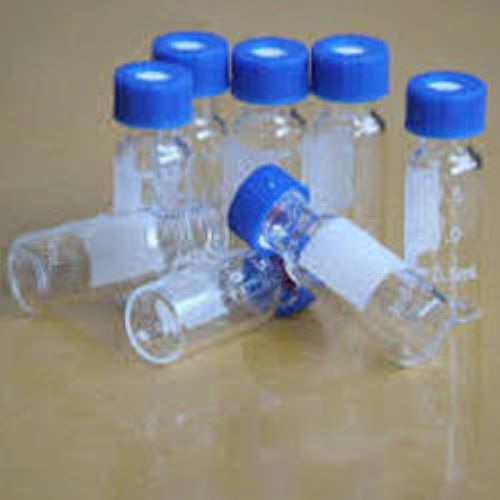

Price:
- 50
- 100
- 200
- 250
- 500
- 1000+

More Products in Food Testing Instruments Category
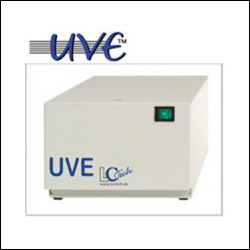
Uve Photochemical Reactor For Aflatoxin
Price Range 95000.00 - 150000.00 INR / Piece
Minimum Order Quantity : 1 Piece
Temperature : Room Temperature (2225C)
Automation Grade : SemiAutomatic
Control Mode : Digital Timer Control
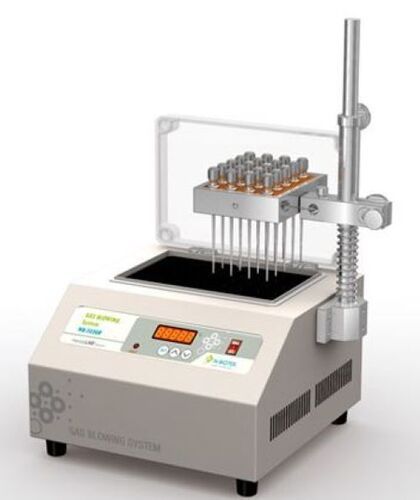
Gas Blowing Concentrators
Price 50000 INR / Piece
Minimum Order Quantity : 01 Piece
Temperature : 5C 40C
Automation Grade : SemiAutomatic
Control Mode : Manual/Automatic

Refractometer ABBE 2WAJ
Price 200000 INR / Piece
Minimum Order Quantity : 01 Piece
Temperature : 10C to 30C (with temperature compensation)
Automation Grade : Manual
Control Mode : Manual
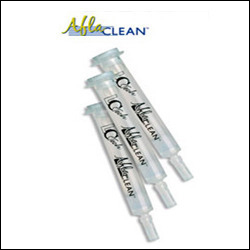
Immunoaffinity Columns for Aflatoxin
Price Range 95000.00 - 150000.00 INR / Piece
Minimum Order Quantity : 1 Piece
Temperature : 430C
Automation Grade : Manual
Control Mode : Manual

GST : 29AAGCD4887K1ZX



 Send Inquiry
Developed and Managed by Infocom Network Private Limited.


