


 Send Inquiry
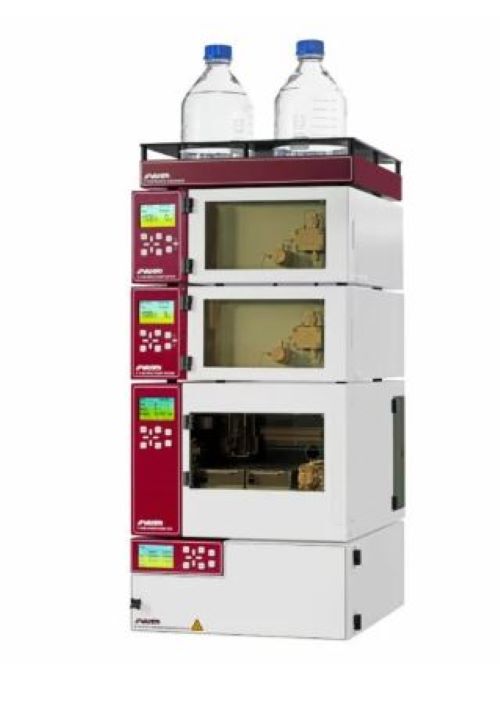
Ion Chromatography Systems
Price 1100000 INR/ Set
Ion Chromatography Systems Specification
- Humidity
- 20% - 85% RH (non-condensing)
- Specimen Size
- Standard vials, 1.5-2 mL
- Frequency
- 50/60 Hz
- Measuring Range
- 0.01 to 1000 mg/L
- Temperature
- 15C - 35C operating range
- Display Type
- TFT LCD digital
- Mounting Type
- Benchtop
- Test Range
- 0.01 ppm to 1000 ppm
- Automation Grade
- Fully Automatic
- Gas Pressure
- 0.3-0.5 MPa (Carrier Gas)
- Operating Voltage
- 220 V
- Number of Specimens
- 1 (single channel)
- Port Size
- 1/16 inch standard
- Application
- Water, food, pharmaceutical, environment and chemical ion analysis
- Accuracy
- 1% F.S.
- Resolution
- 0.001 mg/L
- Max Height
- 650 mm
- Equipment Type
- Ion Chromatography System
- Power Supply
- 220 V AC, 50/60 Hz
- Interface Type
- RS-232, USB
- Response Time
- <10 seconds
- Features
- Touch panel operation, automatic calibration, built-in pump
- Usage
- Laboratory analytical instrument
- Capacity
- 24 position autosampler trays
- Machine Weight
- 75 kg
- Test Speed
- 0.1-10 mL/min
- Control Mode
- Microprocessor-based control
- Eluent Reservoir Capacity
- 2 x 1 L bottles with degasser
- Injected Volume
- 1-100 L programmable
- Noise Level
- < 45 dB
- Software Compatibility
- Windows 7/10/11 supported
- Column Type
- Cation and anion exchange columns
- System Protection
- Over-pressure and leak alarm
- Run Time per Analysis
- 10-40 minutes depending on method
- Pump Type
- High-pressure dual piston pump
- Detector Type
- Conductivity detector (suppressor optional)
- Dimensions (L x W x H)
- 620 mm x 430 mm x 650 mm
- Data Storage
- Built-in memory for 1000 runs
Ion Chromatography Systems About
Ion chromatography systems separate ions from a solution. It includes sample injector, column, detector, and data gathering and analysis system. The sample injector is in charge of putting the sample into the ion chromatography apparatus. The sample can be injected as a liquid or gas, and it might need to be cleaned up or diluted before injection. Applications for ion chromatography system includes pharmaceutical analysis, food and beverage analysis, and environmental monitoring. For the separation and measurement of ions in complicated samples, it is highly effective analytical tool. It has a mobile phase that carries the ions through the column and a stationary phase that interacts with the ions.
Advanced Versatility for Multi-Application Ion Analysis
This ion chromatography system excels in laboratory environments where reliable detection of both cations and anions is essential. Ideal for water, food, pharmaceutical, chemical, and environmental applications, its superior sensitivity and automated features streamline sample handling and data collection, making routine and advanced analyses highly efficient and reproducible.
User-Oriented Control and Efficient Workflow
Engineered for intuitive operation, the system integrates a TFT LCD touch panel, supports automatic calibration, and operates on a microprocessor-based platform. With a rapid response time of less than 10 seconds and programmable injections, users benefit from straightforward setup, reduced manual errors, and high throughput for daily laboratory needs.
Robust Design and Comprehensive Safety Features
The equipment's sturdy benchtop build and advanced protective mechanisms, including over-pressure and leak alarms, ensure safe, constant operation even during prolonged procedures. Its quiet performance (under 45 dB) and adaptable eluent reservoirs with integrated degassing further enhance its reliability and ease of maintenance.
FAQ's of Ion Chromatography Systems:
Q: How does the system ensure precise and reliable ion measurements across various applications?
A: The system combines high-pressure dual piston pumping, cation and anion exchange columns, and a sensitive conductivity detector. Automatic calibration, programmable injection volumes, and a robust microprocessor-based control help maintain accuracy (1% F.S.) and precision, whether analyzing water, pharmaceuticals, or environmental samples.Q: What are the primary benefits of using this ion chromatography system in laboratory environments?
A: Users benefit from rapid analysis (10-40 minutes), automation, large sample capacity (24 positions), programmable settings, and a built-in data memory for up to 1000 runs. The instrument's automatic calibration and safety features minimize maintenance and operator intervention, improving workflow and reproducibility.Q: When should the detector suppressor option be used with the conductivity detector?
A: The suppressor option is recommended when extremely low background conductivity is required to detect trace ions at very low concentrations. This is especially useful in high-purity water analysis, certain pharmaceutical applications, and when maximizing signal-to-noise ratio is essential.Q: Where can the system be installed and what are the operating requirements?
A: The benchtop unit is designed for laboratory settings with 220 V AC power supply. It operates reliably in ambient temperatures of 15C to 35C and relative humidity of 20% to 85% (non-condensing). Its quiet operation (<45 dB) and compact dimensions fit most standard lab benches.Q: What is the process for programming injection volumes and eluent flow rates?
A: Injection volumes from 1 to 100 L are selectable and programmable via the touch panel interface. Eluent flow rates can be adjusted within a 0.1-10 mL/min range, allowing flexible method development and optimization for specific sample types.Q: How does the system ensure data security and storage for analysis runs?
A: All run data are stored in the instrument's built-in memory, capable of saving up to 1000 analyses. Data export is facilitated via USB or RS-232 interfaces, ensuring secure transfer to compatible Windows-based computers for extended storage and reporting.Q: What advantages does automation provide for regular usage and sample throughput?
A: Full automation, including an autosampler tray with 24 positions and touch panel operation, significantly reduces hands-on time. It allows for high sample throughput, repeatability, and the ability to schedule unattended runs, maximizing laboratory productivity and consistency.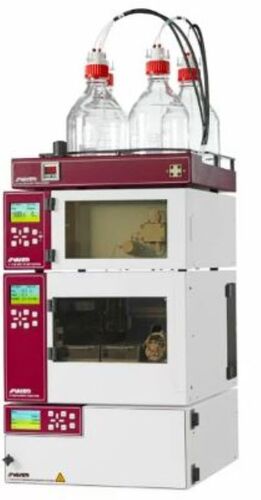

Price:
- 50
- 100
- 200
- 250
- 500
- 1000+

More Products in Food Testing Instruments Category
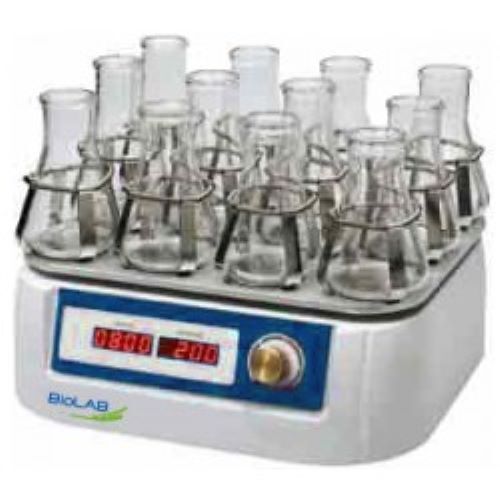
Shaker- Orbital Shaker
Price 495000 INR / Unit
Minimum Order Quantity : 01 Unit
Usage : Laboratory sample mixing and agitation
Features : Variable speed, Digital display, Timer, Nonslip platform, Compact design
Application : Mixing, agitation, and aeration of samples in laboratories (biotechnology, microbiology, chemical & clinical labs)
Mounting Type : Benchtop
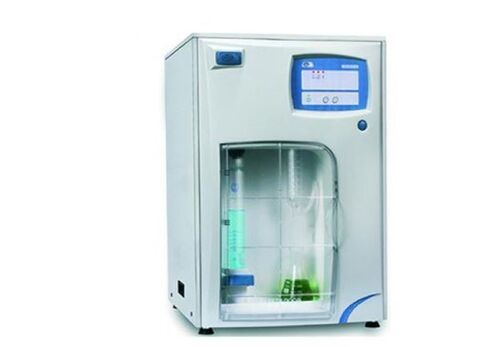
Kjeldahl Nitrogen Analysers
Price 700000 INR / Number
Minimum Order Quantity : 01 Number
Usage : Laboratory Nitrogen determination
Features : Selfcalibration, auto water addition, programmable digestion time
Application : Protein/Nitrogen determination in food, feed, water, fertilizer, and other samples
Mounting Type : Bench Top
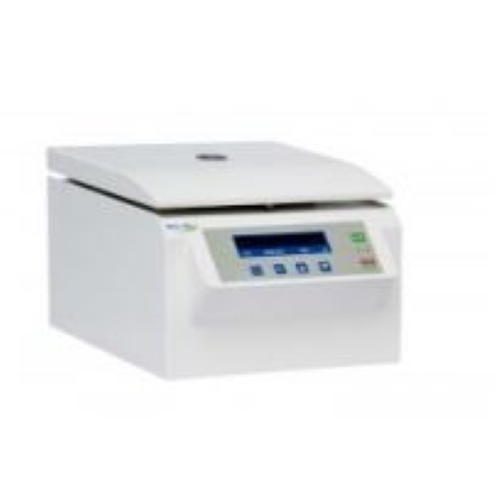
Bench Top High Speed Centrifuges
Price 350000 INR / Number
Minimum Order Quantity : 01 Number
Usage : Laboratory, Clinical, Research
Features : Programmable Memory, Auto Door Lock, Imbalance Detection
Application : Laboratory Separation, Research, Diagnostics
Mounting Type : Bench Top
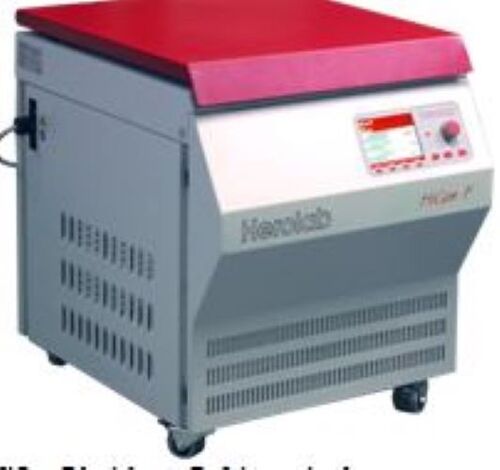
High-Speed Table Top and Floor Standing Centrifuge
Price 350000 INR / Piece
Minimum Order Quantity : 01 Piece
Usage : Centrifugation of liquids (clinical, industrial, research)
Features : Brushless motor, Programmable parameters, Imbalance detection, Auto lid lock, Emergency lid release, Timer, Wide range of rotors and adaptors
Application : Separation, Sedimentation, Laboratory, Blood banks, Research
Mounting Type : Benchtop/Floor standing

GST : 29AAGCD4887K1ZX



 Send Inquiry
Developed and Managed by Infocom Network Private Limited.


