


 Send Inquiry
Pump for Post Column Derivatization Systems
Price 100000 INR/ Unit
Pump for Post Column Derivatization Systems Specification
- Interface Type
- RS232, Optional Analog Output
- Operating Voltage
- 230V AC
- Resolution
- 0.01 mL/min
- Application
- HPLC Post-Column Reaction Systems, Analytical Chemistry
- Power Supply
- 230V AC, 50-60Hz
- Response Time
- <3 seconds
- Accuracy
- 2%
- Humidity
- 10% - 90% RH, non-condensing
- Measuring Range
- 0.0110 mL/min
- Equipment Type
- Post Column Derivatization Pump
- Automation Grade
- Semi-automatic / Automatic (optional)
- Port Size
- 1/16 inch or as per request
- Temperature
- 5C 40C (Operating Range)
- Frequency
- 50/60 Hz
- Display Type
- LCD Digital Display
- Mounting Type
- Benchtop
- Features
- Chemically resistant wetted parts, maintenance-free operation, smooth flow with low pulsation
- Usage
- Continuous liquid delivery for post-column chemical derivatization
- Capacity
- 0.0110 mL/min flow rate
- Machine Weight
- Approx. 3.5 kg
- Control Mode
- Manual / Digital Control
- Compliance
- CE Marked, RoHS compliant
- Dimension (L x W x H)
- 260 x 180 x 140 mm
- Pump Technology
- Microprocessor-controlled piston pump
- Protection
- Overload and leak detection
- Flow Control Method
- Stepping motor drive with closed loop feedback
- Pulsation
- <1% at maximum flow rate
- Serviceability
- Tool-free maintenance design
- Flow Stability
- Excellent for reproducible derivatization results
- Wetted Materials
- PTFE, Ceramic, Stainless Steel (SS316)
- Noise Level
- <55 dB
- Tubing Connections
- Standard HPLC fittings
Pump for Post Column Derivatization Systems About
Pump for Post Column Derivatization System
- flow rate up to 10 ml/min
- biocompatible PEAK version
- color touch panel control
- flow rate change from status screen
- optional pedal switch
- USB interface
- TTL/contact closure control inputs
Exceptional Flow Precision and Stability
The pump utilizes advanced microprocessor controls and stepping motor technology to deliver stable, reproducible flows in post-column chemical derivatization. Its pulsation is maintained at less than 1% even at maximum flow, supporting consistent and accurate analytical results for HPLC applications. The closed loop feedback further ensures reliability and repeatability, essential for demanding laboratory environments.
Rugged Construction for Demanding Chemicals
With wetted materials of PTFE, ceramic, and stainless steel (SS316), this pump resists aggressive solvents and reagents commonly used in post-column derivatization. It is designed for durability and repeated use, making it an optimal choice for analytical laboratories seeking longevity and reduced maintenance costs.
Designed for Ease of Use and Serviceability
The pump features intuitive manual and digital controls, an LCD display for easy monitoring, and standard HPLC tubing connections (1/16 inch or customizable). Routine servicing is hassle-free with the tool-free maintenance design, minimizing downtime and streamlining workflows for distributors, suppliers, and end-users.
FAQ's of Pump for Post Column Derivatization Systems:
Q: How does the pump control flow and ensure accuracy in post-column derivatization?
A: The pump operates with a microprocessor-controlled piston and stepping motor drive using closed loop feedback. This advanced system maintains stable and precise flow rates from 0.01 to 10 mL/min with an accuracy of 2% and a resolution of 0.01 mL/min, delivering excellent reproducibility for analytical chemistry applications.Q: What are the benefits of using PTFE, ceramic, and stainless steel (SS316) as wetted materials?
A: These chemically resistant materials protect the pump from corrosion, degradation, and contamination when handling aggressive reagents. This enhances longevity, reduces risk of leaks, and ensures reliable results, making the pump suitable for demanding lab environments.Q: When is tool-free maintenance possible and how does it improve serviceability?
A: Tool-free maintenance is available during routine servicing and part replacement. It streamlines upkeep, saves time, and reduces downtime, allowing users to maintain pump efficiency without specialized equipment or complex procedures.Q: Where is this pump typically installed and in which environments does it perform best?
A: The pump is designed for benchtop mounting in laboratories dealing with HPLC post-column derivatization. It operates reliably in humidity levels between 10%-90% RH (non-condensing) and temperatures from 5C to 40C, making it suitable for most controlled laboratory settings.Q: What safety and compliance features does the pump include?
A: It incorporates overload and leak detection to prevent accidental damage and ensure safe operation. Additionally, it is CE marked and RoHS compliant, meeting international standards for safety and environmental protection.Q: How can users control and monitor the pump during operation?
A: Users have the option of manual or digital control modes, with monitoring facilitated by an LCD digital display. The pump also features an RS232 interface and optional analog output for integration with laboratory automation systems.Q: What is the process and usage of this pump in HPLC post-column reaction systems?
A: The pump delivers continuous, low-pulsation liquid flow ideal for post-column chemical derivatization reactions. Its smooth operation and rapid response (<3 seconds) improve the accuracy and consistency of HPLC analytical measurements, benefiting laboratories engaged in high-throughput analysis.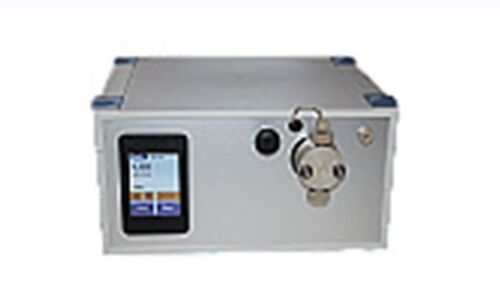

Price:
- 50
- 100
- 200
- 250
- 500
- 1000+

More Products in Food Testing Instruments Category
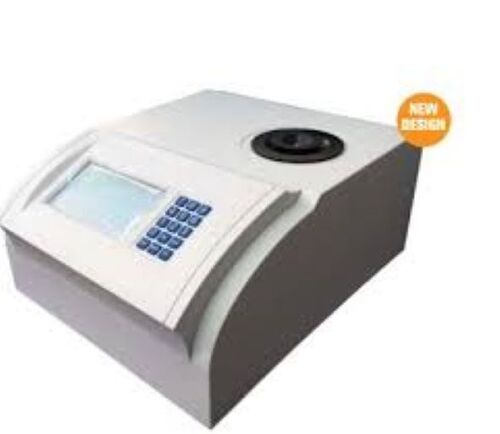
Automatic Melting Point Apparatu
Price 340000 INR / Number
Minimum Order Quantity : 01 Number
Interface Type : RS232/USB (optional)
Control Mode : Automatic digital control
Operating Voltage : 230 V
Power Supply : 230 V AC, 50 Hz
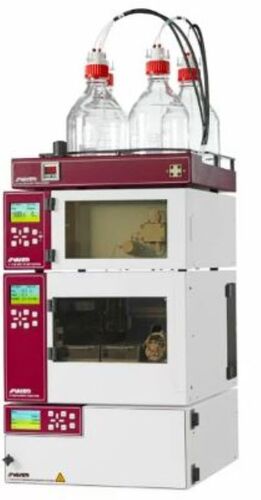
Ion Chromatography Systems
Price 1100000 INR / Set
Minimum Order Quantity : 01 Set
Interface Type : RS232, USB
Control Mode : Microprocessorbased control
Operating Voltage : 220 V
Power Supply : 220 V AC, 50/60 Hz
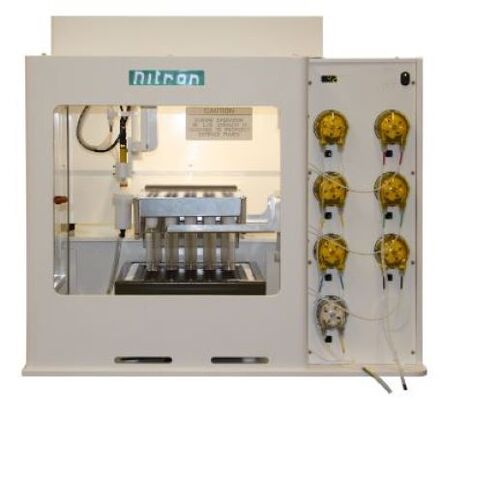
Automated Sample Digestion System- Nitron
Price 2500000 INR / Piece
Minimum Order Quantity : 01 Piece
Interface Type : USB & Ethernet connectivity
Control Mode : Microprocessor based Automatic Control
Operating Voltage : 230V AC
Power Supply : 230V AC, 50/60 Hz
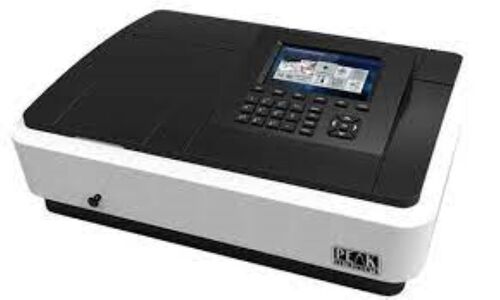
UV-VIS Spectrophotometer - UV VIS
Price 250000 INR / Piece
Minimum Order Quantity : 01 Piece
Interface Type : USB
Control Mode : Automatic / Manual
Operating Voltage : 220V
Power Supply : 220V/50Hz AC

GST : 29AAGCD4887K1ZX



 Send Inquiry
Developed and Managed by Infocom Network Private Limited.
