


 Send Inquiry
Simultaneous Thermal Analyzers
Price 2950000 INR/ Piece
Simultaneous Thermal Analyzers Specification
- Humidity
- Up to 80% RH
- Port Size
- Gas inlet 6 mm
- Gas Pressure
- 0.1 - 0.2 MPa
- Frequency
- 50/60 Hz
- Equipment Type
- Simultaneous Thermal Analyzer
- Test Range
- 1 mg to 100 g
- Display Type
- LCD digital display
- Number of Specimens
- 1 at a time
- Accuracy
- ±0.1% (mass); ±1°C (temperature)
- Operating Voltage
- 230V
- Mounting Type
- Benchtop
- Measuring Range
- Temperature: Room temp to 1200°C; Mass: 1 mg to 100 g
- Interface Type
- USB/RS232
- Specimen Size
- 5 mg to 50 mg
- Temperature
- Ambient to 1200°C
- Resolution
- 0.01 mg; 0.1°C
- Application
- Thermal analysis, DSC and TGA measurements
- Response Time
- <1.0 sec
- Automation Grade
- Automatic
- Features
- Simultaneous DSC/TGA, Automatic gas flow control, User-friendly interface
- Max Height
- 350 mm
- Power Supply
- 230V AC, 50/60 Hz
- Usage
- For simultaneous measurement of weight change and heat flow
- Capacity
- 20/100 g (balance capacity)
- Machine Weight
- Approx. 25 kg
- Test Speed
- Adjustable, up to 20°C/min
- Test Width
- Sample pan diameter: 5 mm to 8 mm
- Control Mode
- Microprocessor-based
- Heating Rate
- 0.1 to 20°C/min (programmable)
- Protection
- Over-temperature and over-current protection
- Atmosphere Control
- Programmable (inert, oxidizing, reducing gases)
- Cooling Method
- Forced air cooling
- Sample Holder Material
- Platinum/ceramic
- Data Output
- Real-time graph; data logging to PC
- Furnace Type
- Ceramic tube furnace
- Calibration
- Automatic, with supplied calibration standards
Simultaneous Thermal Analyzers About
Simultaneous Thermal Analyzer(STA)
STA features 0.1microgram balance resolution, advanced control algorithms with cutting edge design. Our highly sensitive heat flux plate provides accurate and reproducible heat flow data along with simultaneous weight measurement during the entire experiment. The instrument is ideally suited for evolved gas analysis, with its low purge gas flow and excellent sample environment. The STA can be configured to meet all your specific thermal analysis testing needs.
Cutting-Edge Thermal Analysis
Achieve simultaneous DSC and TGA measurements for weight change and heat flow in a single run. With adjustable test speeds, automatic atmospheric control, and precise temperature capabilities, users can analyze materials under varied conditions and capture accurate, real-time data directly on their connected PCs.
User-Centric Features and Safety
Enjoy a user-friendly experience with automatic calibration, LCD digital display, and swift response time. The analyzer integrates over-temperature and over-current protection, ensuring safe operation during extended analyses. Its ceramic tube furnace and platinum/ceramic sample holders provide lasting durability even at high temperatures.
FAQ's of Simultaneous Thermal Analyzers:
Q: How do I calibrate the Simultaneous Thermal Analyzer, and is the process automatic?
A: Calibration is fully automatic using the supplied calibration standards. Simply follow the prompts on the LCD interface, and the microprocessor-based system will calibrate the instrument for optimal accuracy without manual intervention.Q: What types of measurements can this analyzer perform, and what is the benefit of simultaneous DSC/TGA?
A: The analyzer measures both thermal (DSC) and mass (TGA) changes concurrently. This ability enables comprehensive analysis of material properties, saving time and providing correlated data from a single test, which improves research efficiency.Q: Where can the Simultaneous Thermal Analyzer be used, considering its mounting and electrical specifications?
A: This equipment is designed for benchtop use in laboratories, research centers, and quality control environments. It operates on standard 230V AC power at 50/60 Hz, making it suitable for global installation, including in Korea North.Q: When should atmosphere control be utilized, and what gases are supported?
A: Atmosphere control should be programmed when testing reactions sensitive to environmental conditions. The device supports inert, oxidizing, and reducing gases, allowing users to tailor the testing atmosphere for each sample's requirements.Q: What is the process for data output and logging during analysis?
A: During analysis, real-time graphs are generated on the LCD display and are simultaneously logged to a connected PC through USB or RS232 interfaces. This enables secure storage and easy review of experimental data.Q: How does forced air cooling improve the analyzer's operation or testing routine?
A: Forced air cooling accelerates the cooldown phase after high-temperature tests, reducing wait times between experiments and enhancing overall laboratory productivity.Q: What are the key benefits of using platinum/ceramic sample holders and a ceramic tube furnace?
A: Platinum/ceramic sample holders and the ceramic furnace provide chemical resistance, durability, and stability at high temperatures, ensuring accurate measurements and extended equipment lifespan.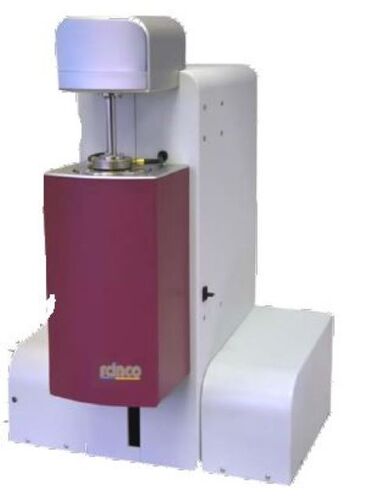

Price:
- 50
- 100
- 200
- 250
- 500
- 1000+

More Products in Pharmaceutical Testing Instruments Category
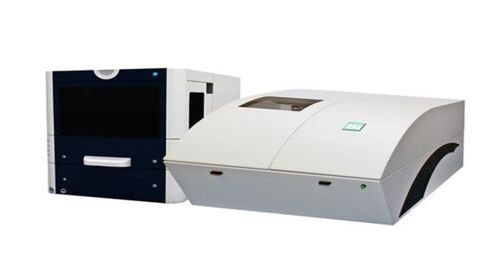
5 channel SPR with modular
Price 4500000 INR / Piece
Minimum Order Quantity : 01 Piece
Frequency : Up to 20 tests/min (per channel)
Test Width : Up to 100 mm
Equipment Type : Multichannel SPR Tester (Modular)
Test Range : 1 N 2000 N

High Performance Liquid Chromatography (HPLC) SYSTEM
Price 800000 INR / Piece
Minimum Order Quantity : 01 Piece
Frequency : 50 Hz
Test Width : Standard accommodates standard analytical columns
Equipment Type : High Performance Liquid Chromatography (HPLC) System
Test Range : 0.001 10 AU (Absorbance Units, Detector)
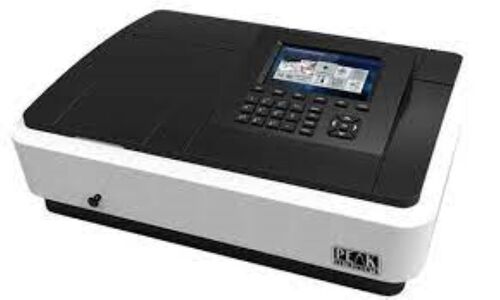
Lab UV Vis Spectrophotometer
Price 250000 INR / Piece
Minimum Order Quantity : 01 Piece
Frequency : 50 Hz
Test Width : 10 mm cuvette holder
Equipment Type : UVVis Spectrophotometer
Test Range : 190 nm 1100 nm
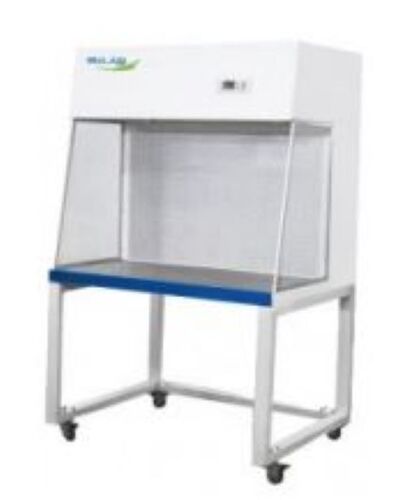
Laminar Airflow
Price 300000 INR / Piece
Minimum Order Quantity : 01 Piece
Frequency : 5060 Hz
Test Width : 2 to 4 feet (Custom Sizes Available)
Equipment Type : Horizontal/Vertical Laminar Airflow Cabinet
Test Range : Air Velocity: 0.30.5 m/s (typical)

GST : 29AAGCD4887K1ZX



 Send Inquiry
Developed and Managed by Infocom Network Private Limited.


