


 Send Inquiry
Standard Glove Box
Price 1700000 INR/ Piece
Standard Glove Box Specification
- Application
- Moisture and oxygen-sensitive operations, chemical/biological research, lithium battery assembly, semiconductor manufacturing
- Interface Type
- Standard mechanical ports
- Mounting Type
- Floor standing/table top
- Max Height
- 1200 mm (vary by model)
- Automation Grade
- Manual
- Features
- Transparent acrylic/polycarbonate front panel, airtight seals, vacuum purge capability, gas inlet/outlet, pressure gauge, customizable glove ports
- Humidity
- 10-85% RH (Adjustable)
- Operating Voltage
- 220V/230V AC
- Port Size
- Ø 200 mm
- Power Supply
- 230V AC, 50 Hz
- Equipment Type
- Standard Glove Box
- Temperature
- Room temperature to 60°C
- Gas Pressure
- 0.1-0.5 MPa
- Frequency
- 50 Hz
- Display Type
- Analog / Digital (optional)
- Usage
- Laboratory, research, industrial
- Capacity
- 85-200 L (depends on model)
- Machine Weight
- Approx. 70-110 kg
- Control Mode
- Manual
- Construction Standard
- ISO/CE compliant
- Main Body Material
- Stainless Steel / Mild Steel with powder coating or acrylic construction
- Working Pressure
- Slightly negative or ambient
- Leakage Rate
- <0.05 vol%/h
- Chamber Shape
- Rectangular
- Internal Shelves
- Stainless steel, removable
- Optional Accessories
- Gas purifier, antechamber, vacuum pump
- Number of Glove Ports
- 2
- Lighting
- Flush-mounted LED (optional)
- Vacuum Level
- Up to -0.1 MPa
- Front Window
- Clear acrylic or polycarbonate, >10 mm thick
- Glove Material
- Neoprene / Butyl rubber / Natural latex
- Seal Type
- Silicone / Neoprene gasket
Standard Glove Box About
LC Standard Glovebox Systems
The LC 1 glovebox system is a complete full size stand-alone glovebox. It can achieve and maintaining a less than 1ppm H2O and O2 inert gas environment when connected to our RGP 050 or RGP 1 series of gas purification systems.
Robust Construction for Sensitive Applications
Crafted from stainless steel or powder-coated mild steel, and complemented by a >10 mm clear acrylic or polycarbonate window, our Standard Glove Box ensures safety and durability. Designed for moisture- and oxygen-sensitive operations, this glove box is ideal for laboratories and industries handling chemicals, biological samples, or delicate electronic components. The rectangular chamber shape and airtight gasket seals provide superior containment, facilitating controlled environments for reliability and repeatable results.
Versatile Features and Customization
This glove box allows tailored operation with manual controls, flush-mounted LED lighting (optional), and a choice between analog and digital display. Users can equip the chamber with internal stainless steel shelves, a gas purifier, vacuum pump, or antechamber to fit their workflow. The two glove ports, customizable in glove material and size, suit a range of precision tasks. Its mounting flexibility as a floor standing or table-top unit makes it adaptable for most lab spaces.
FAQ's of Standard Glove Box:
Q: How is the atmosphere inside the Standard Glove Box controlled during use?
A: The glove box is equipped with airtight silicone or neoprene gaskets and a vacuum purge capability. This allows users to maintain a negative or ambient pressure, reduce oxygen or humidity as needed (adjustable 10-85% RH), and utilize gas inlet/outlet systems for creating specific internal environments.Q: What types of research or industrial processes benefit from this glove box?
A: The glove box is utilized in operations requiring protection from air or moisture, such as chemical or biological research, lithium battery assembly, and semiconductor manufacturing. It ensures sample integrity and user safety during sensitive procedures.Q: When should I use stainless steel versus acrylic construction for the glove box main body?
A: Stainless steel is recommended for chemical resistance and durability in harsh environments, while acrylic construction is lighter and offers economical transparency for processes emphasizing visibility. The choice depends on your required chemical compatibility and operational focus.Q: Where can the Standard Glove Box be installed in the lab?
A: The glove box is versatile and can be installed on standard laboratory benches as a table-top unit or as a floor-standing enclosure. Ensure access to a grounded 230V AC, 50 Hz outlet and adequate space for safe, ergonomic operation.Q: What is the process for accessing samples inside the glove box?
A: Samples are introduced through the main door or, if equipped, an optional antechamber to minimize atmospheric exchange. Users manipulate items inside the chamber using the integrated neoprene, butyl rubber, or natural latex gloves through the two ports. Removable shelves allow flexible organization.Q: How does the glove box maintain a low leakage rate?
A: The glove box achieves a leakage rate of less than 0.05 vol%/h through premium gaskets (silicone or neoprene) and precision machining in accordance with ISO/CE standards. This containment ensures stable internal conditions over extended periods.Q: What are the main benefits of using this Standard Glove Box for laboratory applications?
A: Key benefits include protection of moisture/oxygen-sensitive materials, flexible internal arrangements, customizable accessories, and compliance with international safety standards. Its durable construction supports reliable, repeatable research outcomes and enhances user safety.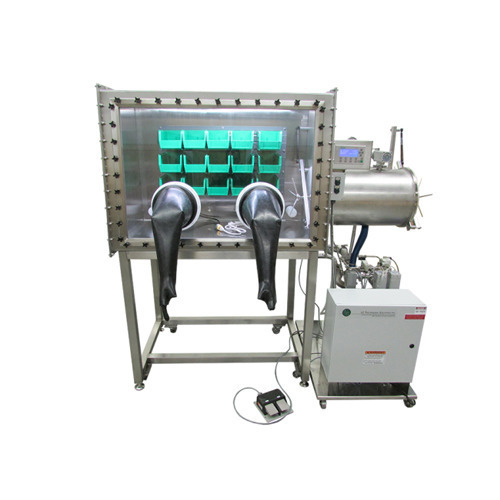

Price:
- 50
- 100
- 200
- 250
- 500
- 1000+

More Products in Research/ Institutional Instrument Category
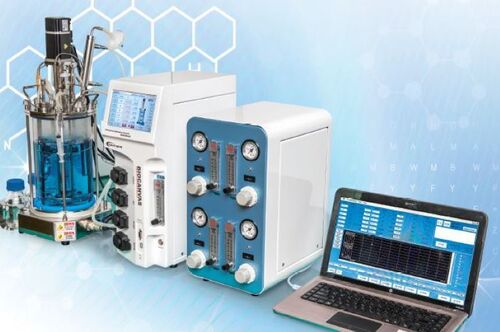
BIOREACTOR AND FERMENTOR
Price 400000 INR / Piece
Minimum Order Quantity : 01 Piece
Machine Weight : 230 kg
Resolution : pH: 0.01, DO: 0.1%
Equipment Type : Bioreactor and Fermentor
Display Type : Digital LCD touch panel
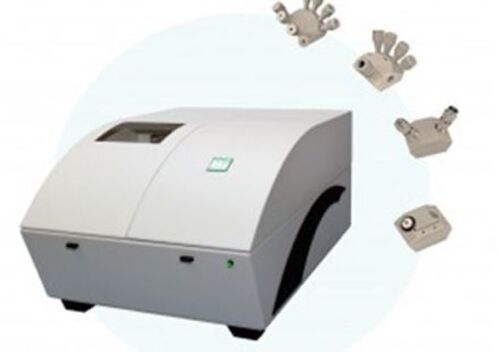
Surface Plasma Resonance SPRm 200S
Price 4500000 INR / Piece
Minimum Order Quantity : 01 Piece
Machine Weight : Approx. 50 kg
Resolution : Lateral: 1 m; Sensitivity 0.1 mDeg
Equipment Type : Surface Plasmon Resonance Microscopy (SPRm) System
Display Type : Color LCD Touch Panel, computer interface
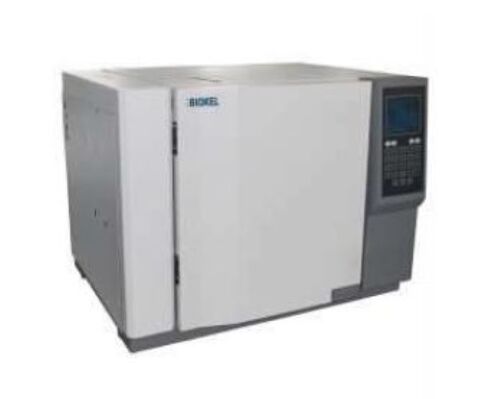
GAS CHROMATOGRAPHY
Price 600000 INR / Piece
Minimum Order Quantity : 01 Piece
Machine Weight : 6080 kg
Resolution : 0.01C (Oven); detector: 0.1 mV
Equipment Type : Gas Chromatograph
Display Type : Digital LCD/Graphical Display
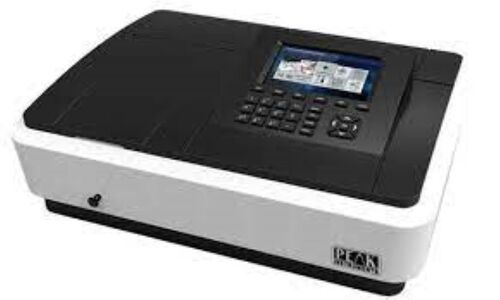
UV VIS SPECTROPHOTOMETER
Price 250000 INR / Piece
Minimum Order Quantity : 01 Piece
Machine Weight : 13 kg
Resolution : 0.1 nm
Equipment Type : UV VIS Spectrophotometer
Display Type : Digital LCD Display

GST : 29AAGCD4887K1ZX



 Send Inquiry
Developed and Managed by Infocom Network Private Limited.


