


 Send Inquiry
Automated Sample Preparation For Dioxin
Price 1500000 INR/ Piece
Automated Sample Preparation For Dioxin Specification
- Resolution
- ---
- Display Type
- LCD touchscreen display
- Equipment Type
- Automated Sample Preparation Unit
- Operating Voltage
- 220V AC
- Features
- Automated operation, programmable sequence, high throughput, solvent saving system, leak detection, sample tracking
- Frequency
- 50/60Hz
- Specimen Size
- 10 mL 1 L (sample volume)
- Hardness
- ---
- Mounting Type
- Benchtop
- Max Height
- ---
- Gas Pressure
- 0.6 0.8 MPa
- Temperature
- 10 40C
- Port Size
- 1/4 inch NPT
- Interface Type
- RS-232/USB
- Power Supply
- 220V AC, 50/60Hz
- Test Range
- ---
- Humidity
- 20 80% RH
- Application
- Sample preparation for Dioxin analysis in food, water, soil, air samples
- Automation Grade
- Fully Automatic
- Measuring Range
- ---
- Accuracy
- ---
- Response Time
- ---
- Number of Specimens
- Up to 30 samples per run
- Usage
- Dioxin sample preparation
- Capacity
- Simultaneous handling of up to 30 samples
- Machine Weight
- Approx. 68 Kg
- Test Speed
- Variable (0.5 5 mL/min)
- Test Width
- ---
- Test Stroke
- ---
- Control Mode
- Microprocessor based automatic control
- Sample Tray Capacity
- 30-position sample tray
- Extraction Method
- Automated Solid Phase Extraction (SPE)
- Software
- User-friendly operation and data export via PC
- Solvent Compatibility
- Suitable for a wide range of organic solvents
- Material of Construction
- Corrosion-resistant stainless steel with PTFE lining
- Cleaning Mode
- Automated in-line cleaning
- Dimensions (L x W x H)
- 800 mm x 650 mm x 700 mm
- Safety Features
- Automatic shutdown, leak alarm, overpressure protection
Automated Sample Preparation For Dioxin About
Automated sample preparation for dioxin entails a combination of extraction and clean-up processes for getting rid of interfering substances and concentrate the analytes of interest. Using solid-phase extraction (SPE) in conjunction with a liquid handling system is a typical technique for automating sample preparation. The majority of automated sample preparation processes traditionally include liquid handling, which use robotics to dispense and gather precise volumes of liquid for purposes like adding reagents or washing samples. Automated sample preparation for dioxin approaches employs gas chromatography (GC) with high resolution mass spectrometry (HRMS) detection for the analytical component.
Engineered for Versatility and Durability
Purpose-built from corrosion-resistant stainless steel and protected by a PTFE lining, the system is designed for long-term operation with aggressive organic solvents. The 30-position sample tray and fully automated handling ensure high throughput and consistent results, making it a reliable solution for routine laboratory workflows.
Safety-Focused and User-Centric Design
Critical safety features-such as automatic shutdown, leak alarms, and overpressure safeguards-provide reassurance during extended unattended runs. Its microprocessor-based automatic control, LCD touchscreen, and intuitive PC software allow users to operate, monitor, and export data with ease.
Optimized Cleaning and Solvent Savings
Automated in-line cleaning streamlines maintenance and reduces downtime, while efficient solvent management minimizes waste and operational costs. The benchtop configuration is ideal for laboratory environments requiring precise, reproducible dioxin sample preparation.
FAQ's of Automated Sample Preparation For Dioxin:
Q: How does the automated sample preparation unit benefit dioxin analysis workflows?
A: By automating solid phase extraction, this unit increases throughput, reduces processing errors, and ensures reproducibility. Its ability to handle up to 30 samples simultaneously accelerates routine dioxin analysis and boosts laboratory productivity.Q: What types of samples can be processed with this equipment?
A: The system is designed for the preparation of food, water, soil, and air samples for dioxin analysis, accommodating sample volumes from 10 mL to 1 L, offering versatility for diverse environmental and food safety applications.Q: When should I use the automated in-line cleaning function?
A: The automated in-line cleaning mode can be activated after each run or whenever cross-contamination risk exists, ensuring consistent performance and maintaining the integrity of subsequent analyses.Q: Where should this unit be installed within the laboratory?
A: This benchtop unit should be placed on a stable surface in a well-ventilated laboratory environment, within the recommended temperature and humidity range (10-40C, 20-80% RH), and near a 220V AC power supply for optimal operation.Q: What safety mechanisms are integrated into the system?
A: Safety is prioritized with automatic shutdown, leak alarms, and overpressure protection, helping to prevent equipment damage, sample loss, and safeguard operators during unattended runs.Q: How is the extraction process controlled and monitored?
A: The extraction sequence is managed via a microprocessor-based automatic control system. Users interact through an LCD touchscreen and have the option to operate and export data via PC software using USB or RS-232 interfaces.Q: What advantages does the solvent saving system provide?
A: The solvent saving system helps reduce operational costs and environmental impact by minimizing solvent consumption without compromising extraction quality or analytical integrity.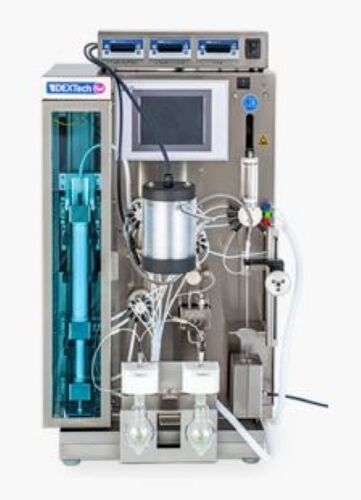

Price:
- 50
- 100
- 200
- 250
- 500
- 1000+

More Products in Food Testing Instruments Category
Uve Photochemical Reactor For Aflatoxin
Price Range 95000.00 - 150000.00 INR / Piece
Minimum Order Quantity : 1 Piece
Usage : Photodegradation of aflatoxins
Control Mode : Digital Timer Control
Power Supply : 230V AC, 50Hz
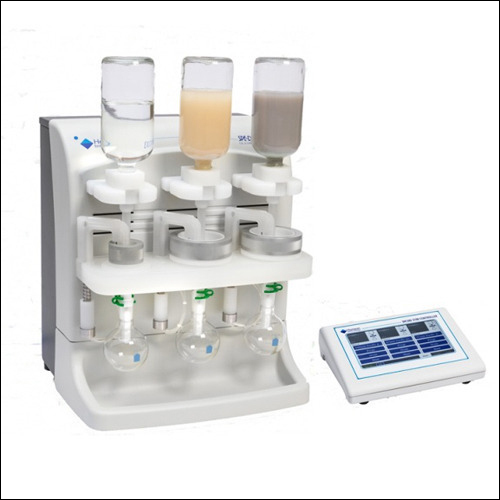
Solid Phase Extraction Unit-SPE
Price Range 95000.00 - 150000.00 INR / Piece
Minimum Order Quantity : 1 Piece
Usage : Laboratory sample extraction/cleanup
Control Mode : Manual
Power Supply : Not required for manual models
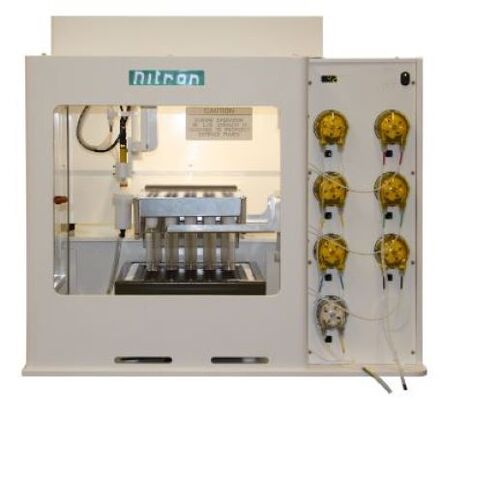
Automated Sample Digestion System- Nitron
Price 2500000 INR / Piece
Minimum Order Quantity : 01 Piece
Usage : Laboratory/Research/Industrial
Control Mode : Microprocessor based Automatic Control
Power Supply : 230V AC, 50/60 Hz
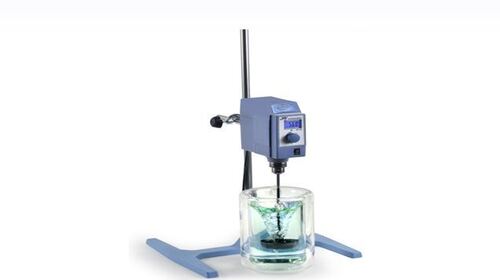
Industrial Overhead Stirrer
Price 100000 INR / Piece
Minimum Order Quantity : 01 Piece
Usage : Industrial and Laboratory Liquid Mixing
Control Mode : Digital Speed Control with Display
Power Supply : 220V 10%, 50/60 Hz

GST : 29AAGCD4887K1ZX



 Send Inquiry
Developed and Managed by Infocom Network Private Limited.


