


 Send Inquiry
Table Top/ Floor Standing Centrifuge
Price 350000 INR/ Number
Table Top/ Floor Standing Centrifuge Specification
- Frequency
- 50/60 Hz
- Specimen Size
- 1.5ml to 100ml tubes (varies by rotor type)
- Measuring Range
- Up to 20000 RCF
- Application
- Test tube separation, sample preparation, laboratory diagnosis
- Operating Voltage
- 220V/230V AC
- Display Type
- Large digital LCD/LED display
- Accuracy
- 10 RPM
- Number of Specimens
- Multiple (Rotor dependent)
- Interface Type
- Soft-touch keypad or digital panel
- Features
- Low noise, auto balancing, safety interlock, corrosion-resistant chamber
- Response Time
- Instant RPM feedback
- Humidity
- Up to 80% RH (non-condensing)
- Test Range
- Up to 20000 x g (RCF)
- Temperature
- Ambient to 40C
- Power Supply
- 230V AC, 50/60 Hz, Single Phase
- Resolution
- 10 RPM
- Equipment Type
- Table Top/Floor Standing Centrifuge
- Mounting Type
- Table top or floor standing
- Max Height
- 400-900 mm (model dependent)
- Automation Grade
- Semi-automatic/automatic
- Usage
- Medical, research, and industrial labs
- Capacity
- 12 x 15 ml, 24 x 2 ml, 4 x 100 ml (optional rotors)
- Machine Weight
- Approx. 40-120 kg (model dependent)
- Test Speed
- 500 15,000 RPM (adjustable)
- Control Mode
- Microprocessor-based digital control
- Rotor Type
- Angle/Fixed or Swing Out
- Noise Level
- 60 dB
- Rotors Included
- Available for different tube sizes on request
- Timer
- 0-99 minutes programmable
- Color Options
- White/Blue/Custom
- Body Material
- CRC steel with powder coating
- Dimensions
- Varies with model (e.g., 600 x 500 x 400 mm)
- Safety Features
- Lid lock, imbalance detection, auto cut-off
- Rotor Material
- Autoclavable polypropylene or anodized aluminium
Table Top/ Floor Standing Centrifuge About
Table top/floor standing centrifuge is a laboratory tool used to separate mixtures of material using centrifugal force. Tabletop centrifuges and floor-standing centrifuges are the two basic varieties of centrifuges. Our offering is compact and portable. It is made to be used in little labs or in situations where a little bit of sample is needed. This product has a capacity of up to 2 litres and can spin at up to 20,000 RPM. Table top/floor standing centrifuge is intended for use in bigger laboratories or in situations where more capacity is needed. Floor ones have a capacity of up to 6 litres and can spin at up to 30,000 RPM.
Advanced Safety and Performance
Experience peace of mind with the centrifuge's comprehensive safety features, including automatic lid locking, imbalance detection, and auto cut-off. The robust CRC steel chassis provides durability, while the machine operates quietly below 60 dB. Designed for efficiency and safety, this centrifuge is suitable for both routine and advanced laboratory applications, offering instant digital feedback and precise control over every process.
Adaptable Design for Diverse Laboratory Needs
Available as a table top or floor standing unit, the centrifuge suits varying space requirements and user preferences. Modular rotor options-angle/fixed or swing out-allow accommodation for a range of tube sizes and sample capacities. High chemical resistance and easy cleaning are ensured by the use of autoclavable polypropylene or anodized aluminium rotors.
Intuitive Operation and Accurate Results
Featuring a large digital LCD/LED display, soft-touch keypad or digital control panel, and quick response time, the centrifuge makes operation simple and efficient. With an accuracy of 10 RPM and resolution up to 10 RPM, users benefit from consistent, reliable performance-vital for both research and clinical diagnoses.
FAQ's of Table Top/ Floor Standing Centrifuge:
Q: How do I select the right rotor type for my application?
A: Choose between an angle/fixed rotor for rapid separation of smaller tubes or a swing out rotor for larger samples and higher volume tubes. Rotor options are available to accommodate tube sizes ranging from 1.5ml to 100ml, depending on your laboratory's sample requirements.Q: What safety features are included in this centrifuge?
A: The centrifuge is equipped with a lid lock, imbalance detection, and automatic cut-off mechanisms. These features ensure user safety by preventing operation if the lid is not secured or if an imbalance is detected during the run.Q: When should I request additional rotors or adaptors?
A: You may request optional rotors or adaptors when you need to process different tube sizes or increase the machine's specimen capacity. Such customization ensures compatibility with varying laboratory protocols and enhances operational flexibility.Q: Where can this centrifuge be installed in the laboratory?
A: The instrument is suitable for installation on sturdy benches (table top models) or directly on the floor (floor standing models). It requires access to a standard 230V AC, 50/60 Hz power supply and should be operated within an environment maintaining up to 80% relative humidity and temperatures up to 40C.Q: What process does the digital control panel facilitate?
A: The microprocessor-based digital panel enables easy programming of speed (500-15,000 RPM), time (0-99 minutes), and acceleration/deceleration rates. It provides instant RPM feedback, allowing precise control and adaptability throughout separation protocols.Q: How does using this centrifuge benefit my laboratory workflow?
A: Laboratories benefit from reduced noise, reliable safety interlocks, flexible rotor configurations, rapid processing, and highly accurate, reproducible results. Its semi-automatic or automatic operation streamlines repetitive tasks and improves overall laboratory efficiency.Q: What are the maintenance requirements for this centrifuge?
A: Routine cleaning of the corrosion-resistant chamber and regular rotor sterilization (autoclavable polypropylene or anodized aluminium) are recommended. Periodic checks on safety features and performance calibration ensure long-term operational reliability.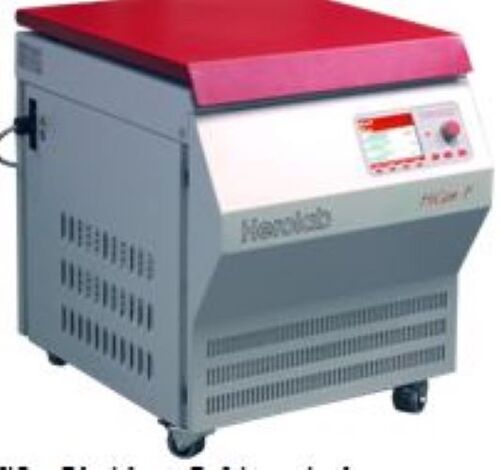

Price:
- 50
- 100
- 200
- 250
- 500
- 1000+

More Products in Pharmaceutical Testing Instruments Category
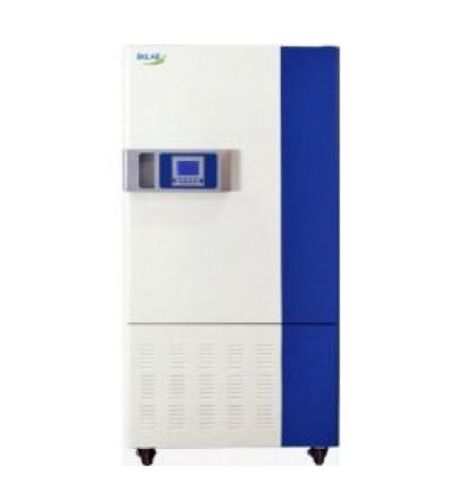
Stability Test Chamber
Price 500000 INR / Piece
Minimum Order Quantity : 01 Piece
Usage : Stability and ageing tests
Control Mode : Microprocessor Based PID Controller
Power Supply : 220V AC, 50Hz
Port Size : 50 mm (customizable options)
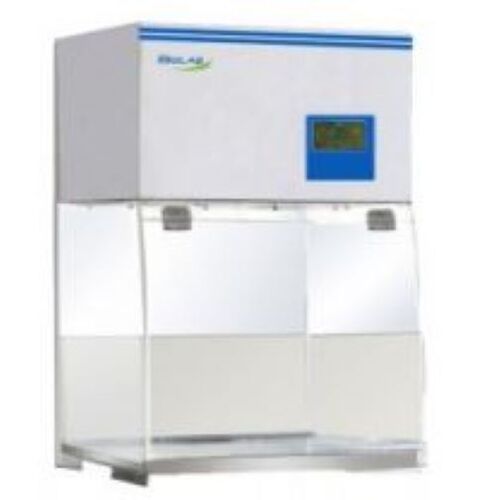
BIOSAFETY CABINET
Price 300000 INR / Piece
Minimum Order Quantity : 1 Piece
Usage : Handling hazardous biological materials
Control Mode : Microprocessor control
Power Supply : AC 220V, 50Hz
Port Size : Standard (customizable)
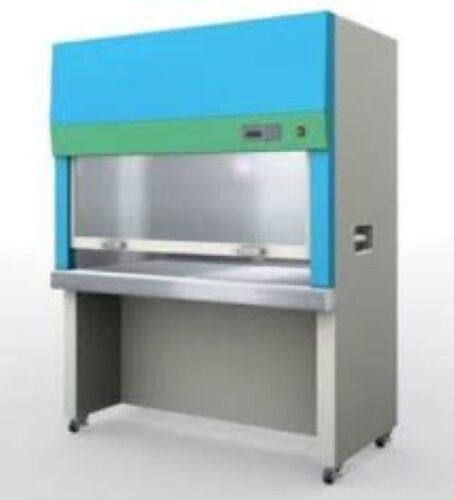
Biological Safety Cabinet
Price 300000 INR / Piece
Minimum Order Quantity : 01 Piece
Usage : Biological sample handling, laboratory protection
Control Mode : Microprocessor based
Power Supply : 230V AC, 50 Hz
Port Size : Standard arm port openings
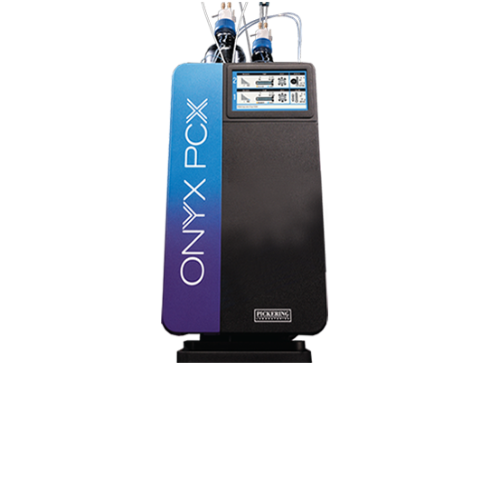
Onyx PCX - Next Generation HPLC Post-Column Derivatization Instrument
Price 900000 INR / Piece
Minimum Order Quantity : 01 Piece
Usage : Hospital & Laboratory
Control Mode : Manual
Power Supply : Manual

GST : 29AAGCD4887K1ZX



 Send Inquiry
Developed and Managed by Infocom Network Private Limited.


