


 Send Inquiry
Pump for Post Column Derivatization System
Price 450000 INR/ Piece
Pump for Post Column Derivatization System Specification
- Port Size
- 1/16 inch OD tubing
- Number of Specimens
- Single channel
- Equipment Type
- Post Column Derivatization System Pump
- Features
- Low pulse, chemically resistant, leak proof, auto-priming
- Test Range
- 0.1 - 10 mL/min
- Accuracy
- ±2%
- Mounting Type
- Bench-top
- Temperature
- Ambient, 10-40°C
- Display Type
- Digital LCD display
- Specimen Size
- Standard HPLC connection
- Interface Type
- RS232/Analog
- Response Time
- Immediate (<5 sec)
- Humidity
- Max 80% (non-condensing)
- Application
- Post-column derivatization in HPLC analysis
- Resolution
- 0.01 mL/min
- Max Height
- 120 mm
- Measuring Range
- 0.1 - 10 mL/min
- Frequency
- 50/60 Hz
- Power Supply
- 220 V AC, 50/60 Hz
- Automation Grade
- Semi-automatic
- Operating Voltage
- 220 V AC
- Usage
- Chromatographic post-column reagent delivery
- Capacity
- Reservoir 500 mL
- Machine Weight
- 5 kg
- Test Speed
- 0.1 - 10 mL/min (adjustable)
- Control Mode
- Microprocessor based
- Max Flow Rate
- 10 mL/min
- Service Requirement
- Annual maintenance recommended
- Flow Control
- Stepless electronic adjustment
- Min Flow Rate
- 0.1 mL/min
- Material of Construction
- PTFE/Ceramic wetted parts
- Chemical Compatibility
- Suited for a wide range of post-column reagents
- Pumping Principle
- Micro piston pump
- Noise Level
- <60 dB
- Safety
- Integrated leak detection and protection.
- Primary Use
- Automated delivery of derivatization reagent for HPLC columns
Pump for Post Column Derivatization System About
flow rate up to 10 ml/minbiocompatible PEAK version
color touch panel control
flow rate change from status screen
optional pedal switch
USB interface
TTL/contact closure control inputs
Advanced Materials for Extended Durability
Built with PTFE and ceramic wetted parts, this pump resists corrosion and accommodates a diverse range of post-column reagents. The selected materials ensure chemical compatibility and long-term reliability, even during extended and intensive usage in demanding laboratory environments.
Precise Flow Control and Automation
With stepless electronic adjustment, the micro piston pumping principle allows users to fine-tune reagent delivery from 0.1 to 10 mL/min. The immediate digital LCD response and microprocessor-based control mode ensure real-time accuracy and automation, improving workflow efficiency.
Smart Safety Features for Laboratory Assurance
Operational security is elevated by integrated leak detection and protection systems. These mechanisms safeguard users and equipment against chemical spills, helping maintain safe working environments. Annual maintenance is recommended to uphold optimal performance.
FAQ's of Pump for Post Column Derivatization System:
Q: How does the pump ensure precise reagent delivery during post-column derivatization in HPLC analysis?
A: The pump utilizes a micro piston mechanism combined with stepless electronic adjustment, allowing users to select flow rates from 0.1 to 10 mL/min with 2% accuracy and 0.01 mL/min resolution. The microprocessor-based control and immediate response optimize reagent delivery for consistent and reproducible HPLC results.Q: What materials are used for the wetted parts and why are they advantageous?
A: PTFE and ceramic are used for the wetted components because they provide high resistance to a broad spectrum of chemicals. These materials minimize the risk of corrosion and contamination, ensuring longevity and compatibility with most post-column derivatization reagents.Q: When is maintenance recommended for this pump system?
A: Annual maintenance checks are recommended to maintain optimal performance, prolong pump lifespan, and verify the integrity of safety features like leak detection and protection.Q: Where can this pump be installed in a laboratory setup?
A: This equipment is designed as a bench-top unit and is easily integrated into existing HPLC systems thanks to its standard 1/16 inch OD tubing port and single channel configuration. It supports standard HPLC specimen sizes and connections.Q: What is the process for adjusting the flow rate on this pump?
A: Flow rates can be smoothly adjusted using the stepless electronic control, which is displayed instantly on the digital LCD. The microprocessor manages the operation for precise and reproducible reagent delivery throughout the 0.1-10 mL/min range.Q: How does the integrated leak detection system benefit laboratory safety?
A: The integrated leak detection and protection safeguard against accidental reagent spills. Upon detecting a leak, the system automatically intervenes to minimize exposure, protecting both personnel and laboratory equipment from hazardous chemicals.Q: What are the main benefits of using this pump for post-column reagent delivery in HPLC?
A: Key benefits include accurate, low-pulse reagent delivery; chemical resilience due to robust materials; user-friendly digital controls; fast response times; and enhanced safety features. These attributes streamline workflow and reduce downtime in chromatographic analysis.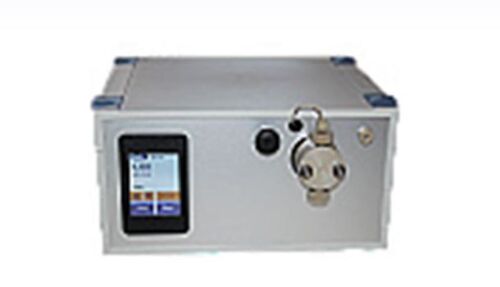

Price:
- 50
- 100
- 200
- 250
- 500
- 1000+

More Products in Pharmaceutical Testing Instruments Category
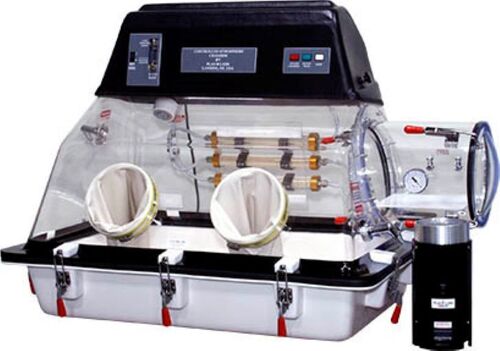
Anaerobic Chamber
Price 1100000 INR / Piece
Minimum Order Quantity : 01 Piece
Power Supply : 230V AC, 50Hz
Control Mode : Digital Microprocessor Control
Usage : Laboratory
Features : Glove access ports, removable front panel, internal power sockets, automatic anaerobic environment construction
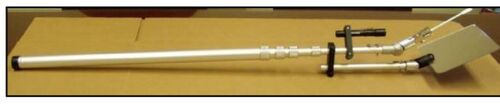
Remote Swabbing And Microbiological Sampling Tool
Price 280000 INR / Piece
Minimum Order Quantity : 01 Piece
Power Supply : Not Required (Manual Tool)
Control Mode : Manual
Usage : Environmental/cleanroom surface microbiological sampling
Features : Lightweight, extendable, replaceable swab tip, autoclavable components
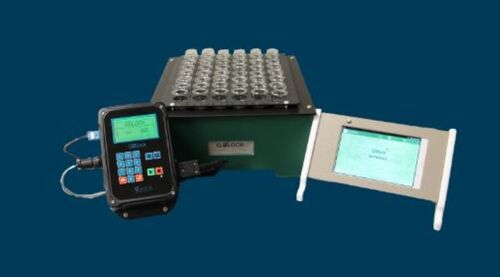
Microwave Digestion System -QBlock Wireless
Price 990000 INR / Piece
Minimum Order Quantity : 01 Piece
Power Supply : 230V AC, 50 Hz
Control Mode : Wireless Remote and OnDevice Controls
Usage : Laboratory Sample Preparation
Features : Wireless operation, Digital display, Programmable heating, Overtemperature protection, Uniform heating
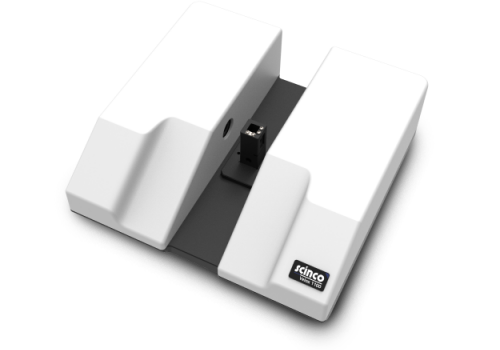
PDA UV VIS Spectrophotometer
Price 800000 INR / Number
Minimum Order Quantity : 1 Number
Power Supply : Manual
Control Mode : Manual
Usage : Hospital & Laboratory
Features : Good Quality

GST : 29AAGCD4887K1ZX



 Send Inquiry
Developed and Managed by Infocom Network Private Limited.


